Elon Musk’s $445 million Republican bet falters as Democrats take Congress
Source Entity
The Indian Express
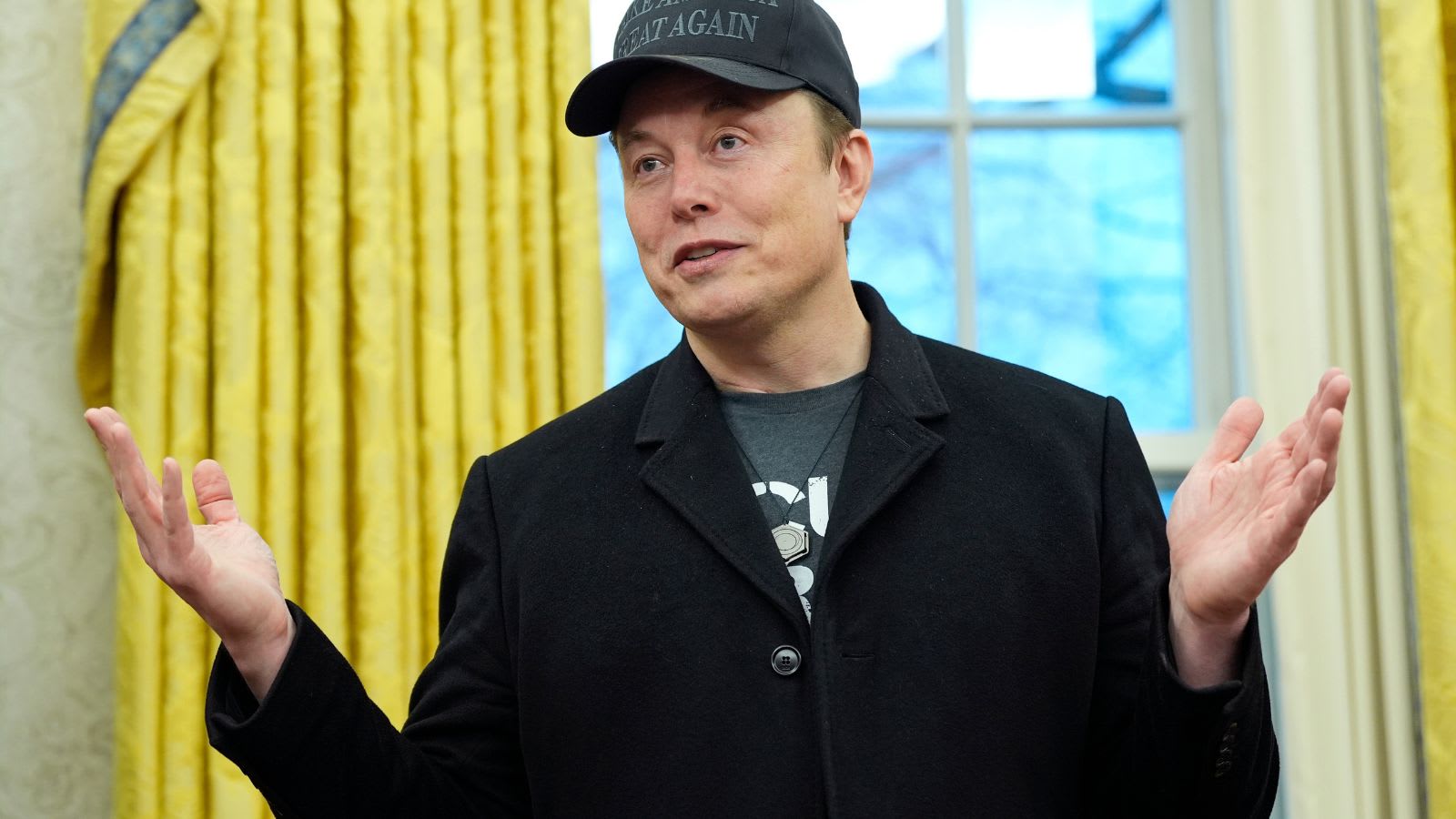
Tech billionaires including Elon Musk, Larry Ellison, and Michael Dell invested heavily in the 2026 US midterm elections to support Donald Trump. Despite these massive financial contributions, Democratic victories in Congress and key state races led to significant market losses for Musk's companies.
The Billionaire Gamble: Tech Titans and the 2026 Midterms
The 2026 United States midterm elections have underscored a seismic shift in the intersection of Silicon Valley wealth and national politics. As the dust settles following the November 3rd polls, the narrative is defined not just by the Democratic party's successful resurgence in both chambers of Congress, but by the unprecedented, high-stakes financial involvement of four prominent tech figures: Elon Musk, Larry Ellison, Michael Dell, and Marc Benioff.
The Scale of Financial Intervention
Elon Musk emerged as the primary financier of the Republican cause, directing a staggering $474 million toward various candidates. This contribution represents a significant escalation in individual political spending. Meanwhile, Oracle co-founder Larry Ellison provided a $45 million contribution that initially remained shielded from public view. Michael Dell took a different approach, pledging $6.25 billion toward 'Trump Accounts' intended for disadvantaged youth, illustrating a trend where billionaire influence extends beyond traditional campaign donations into social and policy-oriented funding.
Market Volatility and Political Backlash
The election results provided a sharp reality check for these investors. As Democratic candidates secured control of both Congressional chambers and key state-level victories—such as the defeat of Greg Abbott by Gina Hinojosa in Texas—the political leverage these donors sought failed to materialize. This political shift triggered immediate volatility for Musk’s corporate interests. Shares of Tesla and SpaceX saw notable declines of 3.6% and 3.8% respectively, a trend that stood in stark contrast to the broader market, where the S&P 500 climbed by 1.6%.
The Shifting Allegiances of Tech Leaders
Beyond the raw numbers, the ideological landscape of the tech elite is undergoing a transformation. Marc Benioff, once known for more liberal-leaning contributions, has pivoted to support Donald Trump, mirroring the broader realignment of several tech leaders toward the Republican platform. This shift suggests that these executives view their political donations as strategic investments in a specific policy environment, one that they believed would favor their business interests in the coming years.
Analyzing the Failure of the 'Gamble'
The failure of this nearly $500 million investment to yield a Republican majority highlights the limits of financial influence in modern electoral politics. When corporate interests are so visibly tied to a single political outcome, the subsequent failure of that outcome can create immediate instability for those companies. The market's reaction suggests that investors are wary of companies whose leadership is perceived to have miscalculated the national political sentiment so drastically.
Future Implications for Corporate Influence
Looking forward, the 2026 midterms serve as a cautionary tale for the tech industry. The decision to bypass traditional lobbying in favor of direct, massive campaign funding has proven to be a double-edged sword. As the political landscape remains polarized, companies led by outspoken political donors may continue to face scrutiny, with shareholders increasingly concerned about the potential for their investments to be impacted by the political failures of their executives. The era of the 'billionaire kingmaker' in American politics remains active, but as this cycle proved, it is far from a guaranteed path to influence.
Multiple Citing Sources