Tesla beats earnings projections after Musk floats SpaceX merger plan
Source Entity
Dara Kerr
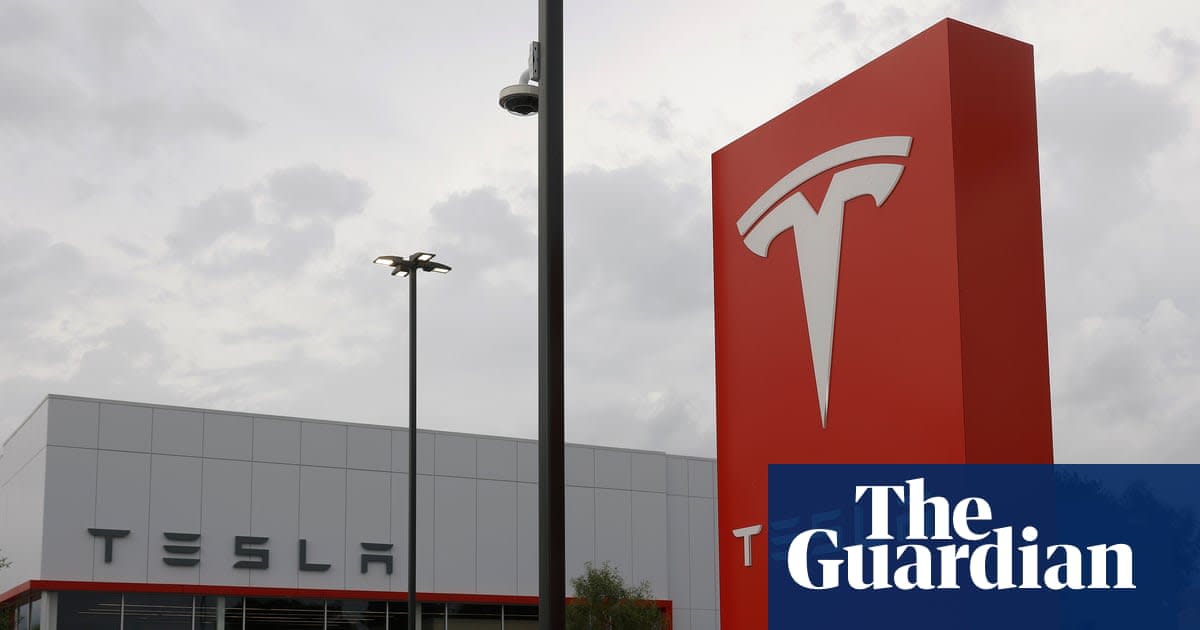
Elon Musk has publicly suggested that merging Tesla and SpaceX could offer significant strategic merit. While the prospect has sparked intense market discussion, shareholder support and complex regulatory hurdles remain major barriers to any potential consolidation.
The Strategic Vision Behind a Potential SpaceX-Tesla Merger
Elon Musk has recently ignited significant debate within the financial sector by suggesting that a merger between his two most prominent ventures, Tesla and SpaceX, would be a "good idea." This proposition, voiced during recent earnings calls, marks a potential turning point in the governance of Musk's business empire. By floating the idea of consolidation, Musk is signaling a shift toward deeper integration between automotive manufacturing and aerospace engineering, a move that could redefine the operational scope of both entities.
Assessing the Rationale for Consolidation
The merit cited by Musk for this merger lies in the potential for cross-pollination of technologies. Tesla’s expertise in battery density, electric motor efficiency, and large-scale manufacturing could theoretically bolster SpaceX’s ambitious interplanetary projects. Conversely, SpaceX’s advancements in material science and autonomous guidance systems provide a technological synergy that could accelerate Tesla’s pursuit of Full Self-Driving (FSD) and robotics. However, the path to such a union is fraught with complexity, as it requires the alignment of two distinct corporate cultures and business models.
Corporate Governance and the Shareholder Role
Musk has been careful to note that while he sees merit in the plan, the decision rests with shareholders. Both companies have reportedly formed special committees of independent directors to evaluate the feasibility of such a monumental shift. This process is essential to ensure that the merger serves the interests of investors rather than merely reflecting the personal vision of the CEO. The formation of these committees suggests that the possibility is being treated with formal seriousness, even if the execution remains speculative.
Market Reactions and Investor Skepticism
Wall Street’s reaction has been a mixture of intense curiosity and profound skepticism. While Musk’s vision for vertical integration often yields long-term innovation, analysts worry about the risks inherent in combining a public automotive company with a high-stakes aerospace firm. The "minefield" analogy used by Musk himself reflects the volatility such a proposal introduces to stock valuations. Investors are wary of whether a merger would dilute the specific value propositions that have historically driven Tesla’s market cap.
The Broader Context of Musk’s Business Ecosystem
This discussion follows a period of rapid organizational restructuring for Musk. With SpaceX’s acquisition of xAI in February and its historic IPO in June, the ecosystem surrounding Musk’s companies is becoming increasingly interconnected. The potential inclusion of Tesla into this structure would represent the culmination of a broader strategy to centralize resources under a unified corporate banner. This trend toward consolidation mirrors a wider shift in the tech industry, where companies are increasingly seeking to control the entire supply chain of their futuristic endeavors.
Future Trends and Concluding Thoughts
Looking ahead, the success of any such merger will depend on regulatory approval, fiscal transparency, and the ability to maintain the operational autonomy of each division. While the idea remains in the preliminary stages of discussion, it underscores a fundamental trend in Musk’s management style: the prioritization of massive, capital-intensive projects that push the boundaries of current engineering. Whether or not this merger materializes, the dialogue itself highlights the evolving relationship between private space exploration and public automotive technology.
Multiple Citing Sources