Is inflation becoming more widespread? RBI’s rate-setters are divided, and that’s a worry
Source Entity
Siddharth Upasani
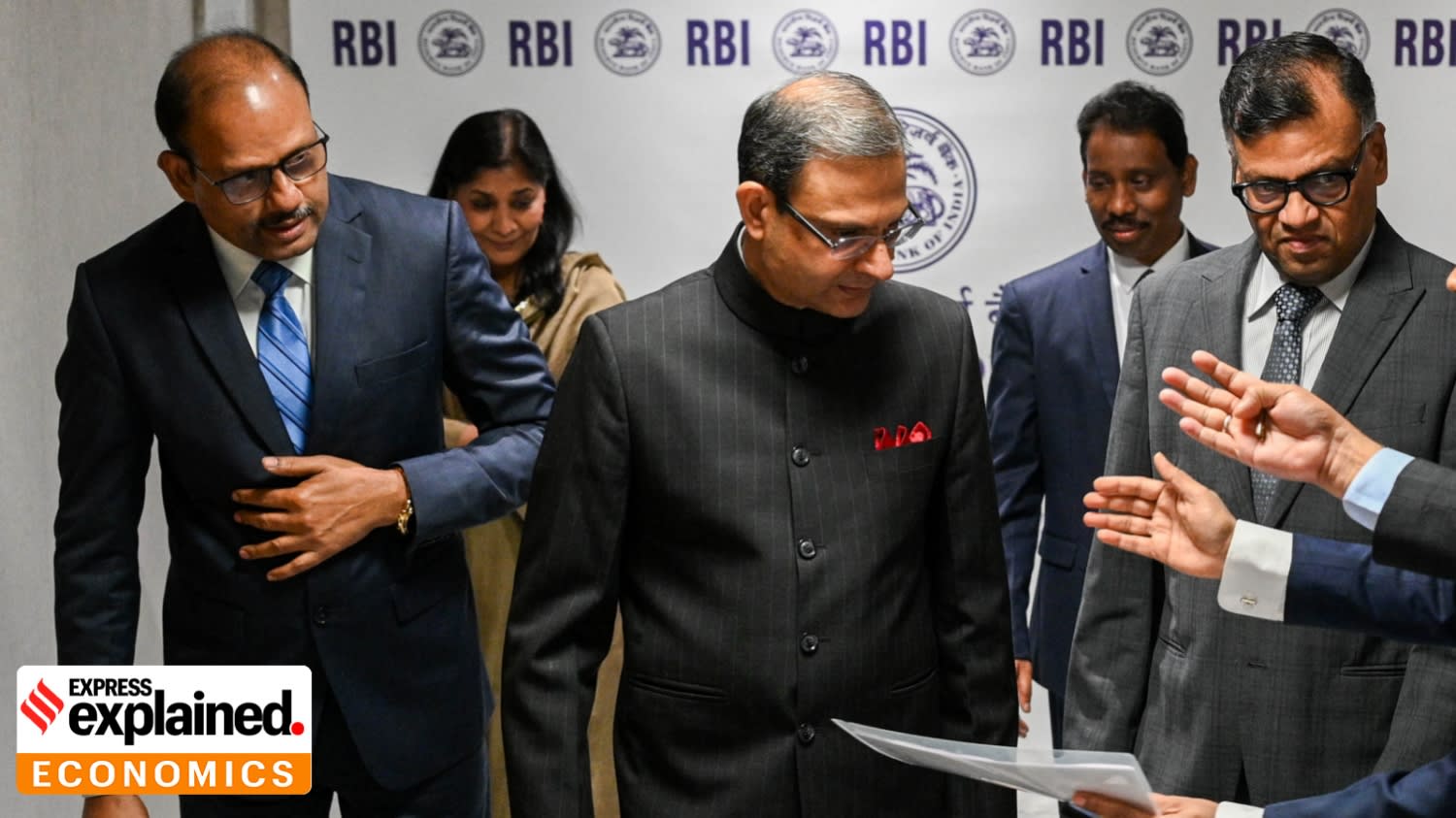
The Reserve Bank of India's MPC has raised the repo rate to 5.5% amidst concerns over generalized inflation. A majority of members are now advocating for a shift toward 'calibrated tightening' to curb rising price pressures across household consumption baskets.
The RBI's Strategic Shift: Addressing Generalized Inflation
On October 7, the Reserve Bank of India’s (RBI) six-member Monetary Policy Committee (MPC) reached a pivotal decision to raise the repo rate by 25 basis points to 5.5%. While the unanimous vote to increase rates highlights a shared commitment to price stability, the internal discourse reveals a more complex narrative regarding the nature of inflation currently impacting the Indian economy. The core of the debate has shifted from merely monitoring headline numbers to identifying whether inflation is becoming 'generalised' across the consumer basket.
The Move Toward Calibrated Tightening
Beyond the immediate rate hike, the most significant outcome of the October meeting was the growing support for a change in policy stance. Four out of the six MPC members expressed a preference for moving away from a 'neutral' stance toward 'calibrated tightening.' This shift signals that the central bank is preparing for a sustained period of restrictive monetary policy, suggesting that the RBI is no longer viewing inflation as a transient shock but as a structural challenge that requires proactive intervention.
The Threat of Generalized Price Increases
The primary concern voiced by MPC members, including external experts Saugata Bhattacharya and Ram Singh, alongside RBI representatives, is the broadening of inflation. When inflation is 'generalised,' it means that price increases are no longer confined to volatile categories like food or fuel but are permeating a wider array of goods and services in the average household's consumption basket. This phenomenon is particularly dangerous as it risks becoming embedded in consumer expectations, potentially leading to a wage-price spiral.
Institutional Divergence and Economic Uncertainty
The internal division within the MPC regarding the pace and necessity of tightening reflects the broader uncertainty facing emerging market economies. While the committee remains united on the mandate of inflation control, the split in opinion on the 'calibrated' approach underscores the delicate balance the RBI must strike. Tightening too aggressively could stifle nascent economic growth, while failing to act decisively could allow inflationary pressures to become entrenched, eroding the purchasing power of the middle class.
Broader Economic Implications
The RBI’s focus on generalized inflation serves as a bellwether for the broader economic outlook. If the 'calibrated tightening' stance is maintained, businesses should prepare for higher borrowing costs and a potential cooling in consumer demand. Furthermore, the committee's vigilance suggests that future policy decisions will be heavily data-dependent, specifically tracking the dispersion of price increases across sectors. This transition period is critical for investors and policymakers alike, as it dictates the cost of capital in a volatile global environment.
Looking Ahead: Policy Trends
As the RBI navigates this inflationary cycle, the focus will remain on the persistence of price pressures. If the concerns raised by the four MPC members regarding the spread of inflation prove accurate in subsequent data, we can expect the 'calibrated tightening' to continue well into the next fiscal cycle. The committee’s current posture is a clear indicator that the era of easy liquidity is firmly in the rearview mirror, replaced by a cautious, data-driven approach designed to anchor long-term price stability.