Google ex-CEO says most companies have got thousand employees they don’t need
Source Entity
TOI TECH DESK
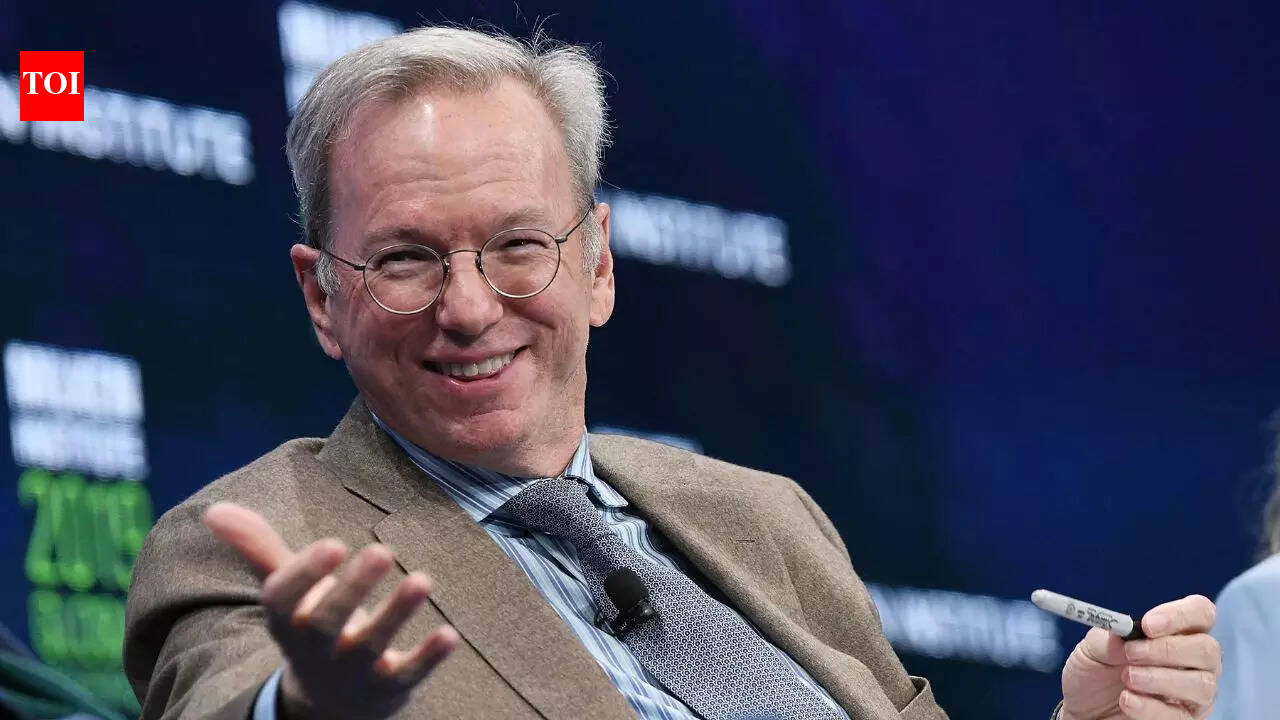
Former Google CEO Eric Schmidt suggests that AI integration could allow corporations to significantly reduce headcount by eliminating administrative 'coordination' roles. He notes, however, that deep-seated corporate cultural inertia may prevent many firms from successfully implementing these efficiency-driven structural changes.
The Future of Corporate Efficiency: An Analysis of Schmidt’s AI Thesis
Former Google CEO Eric Schmidt recently ignited a significant discourse regarding the future of the corporate workforce, positing that large-scale enterprises are currently harboring thousands of redundant employees. His argument centers on the transformative potential of artificial intelligence to automate what he terms the "coordination tax"—the bloated layers of middle management and administrative staff primarily tasked with planning, data movement, and internal synchronization. Schmidt suggests that as AI platforms become more sophisticated, the necessity for human intervention in these logistical roles will diminish.
Defining the 'Coordination Tax'
At the heart of Schmidt’s commentary is the concept of the "coordination tax," a reference to the overhead costs associated with human-led project management and organizational communication. By automating the synthesis of information and the management of workflows, AI could theoretically flatten organizational hierarchies. Schmidt specifically pointed to roles that focus on "planning and moving numbers around" as the most vulnerable. These positions, historically essential for maintaining the equilibrium of large corporations, are now being viewed through the lens of technological obsolescence.
The Reality of Workforce Reductions
Schmidt’s observations are not merely hypothetical; he points to real-world precedents where companies have already initiated significant workforce reductions—citing one instance where a firm successfully cut 20% of its staff. This shift reflects a move toward leaner operational models where AI handles internal coordination, leaving only critical human-centric roles such as high-level leadership and direct sales intact. This transition highlights a fundamental change in the nature of job requirements in the modern economy, prioritizing strategic output over administrative oversight.
Cultural Inertia and Implementation Hurdles
Despite the clear efficiency gains promised by AI, Schmidt remains skeptical regarding the widespread adoption of these structural changes. He emphasizes that while the technology is available, the human element—specifically corporate culture—acts as a significant barrier. He argues that most companies are inherently resistant to the radical shifts in management structure required to fully integrate AI. This "cultural inertia" suggests that even with the tools available to streamline operations, organizational politics and traditional hierarchy-building may prevent many firms from achieving the efficiency levels Schmidt advocates.
Ethical and Strategic Implications
When discussing these significant workforce shifts, Schmidt underscored the necessity of executing such transitions "legally and humanely." This acknowledgment highlights the tension between the cold efficiency of AI-driven optimization and the ethical responsibility of corporations toward their employees. As companies navigate this transition, they must balance the drive for technological agility with the social and economic consequences of large-scale displacement, a challenge that will define the next decade of corporate strategy.
Conclusion: A New Era of Lean Enterprise
The synthesis of Schmidt's remarks points toward an inevitable evolution in corporate architecture. While the promise of reduced overhead through AI is compelling, the success of this transition depends on a company’s ability to transcend its own traditional management structures. As we move forward, the most successful organizations will likely be those that can successfully navigate the cultural shift required to embrace AI, while simultaneously addressing the human impact of a significantly downsized, yet more efficient, workforce.