As US ties fray, Europe plans first undersea cable link to Greenland
Source Entity
Jeremy Hsu
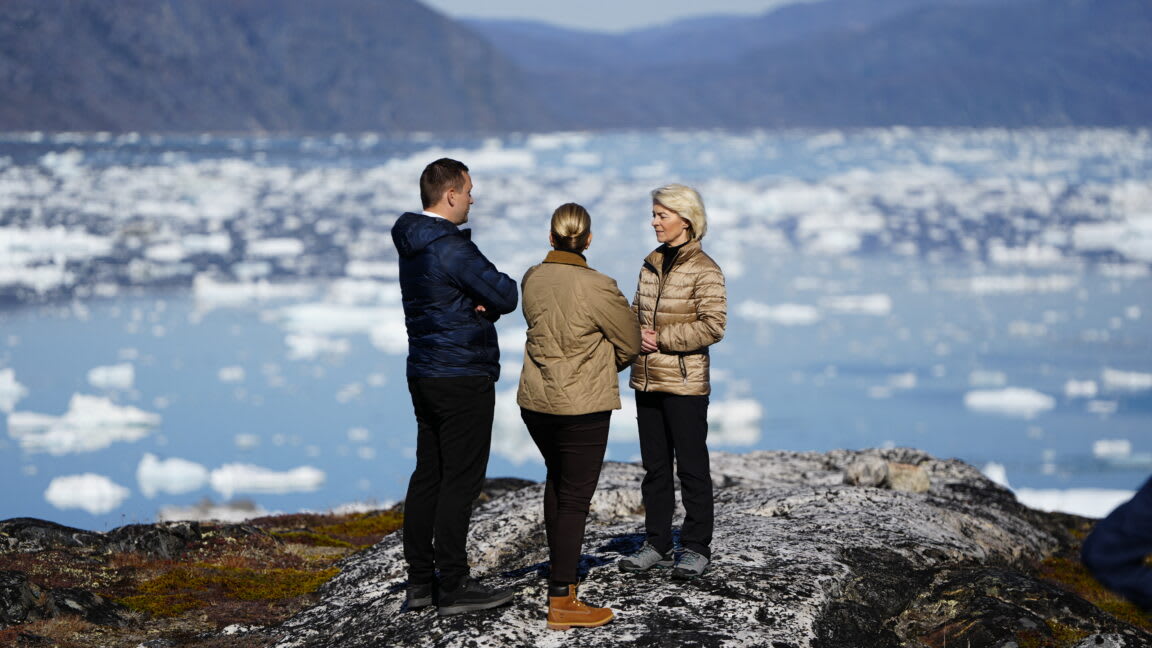
The European Union has unveiled plans for a direct subsea internet cable to Greenland, aiming to bypass the United States. This strategic infrastructure project intends to eventually connect Europe with Canada, Japan, and South Korea.
The Strategic Shift of Arctic Connectivity
The European Union’s recent announcement regarding the Pan-Arctic Cable represents a significant departure from traditional trans-Atlantic telecommunications infrastructure. By proposing a direct subsea link between Europe and Greenland, the EU is moving to establish a sovereign digital corridor that operates independently of existing US-centric network hubs. This initiative, formalized in the European Commission’s October 2026 Arctic strategy, signals a deepening focus on digital autonomy and the securing of critical communications infrastructure in an increasingly contested geopolitical landscape.
Bypassing Traditional Gateways
Historically, data traffic between Europe and Asia has largely relied on terrestrial or subsea routes that pass through or near US-controlled networks. The Pan-Arctic Cable project explicitly seeks to circumvent this reliance. By charting a course through Greenland—a territory of strategic importance—the EU is positioning itself to control the data flow architecture. This decision to bypass the United States suggests a growing desire for European digital sovereignty, ensuring that critical data packets are not subject to the legislative or surveillance frameworks of non-EU powers.
The Role of International Partnerships
The project is not envisioned as a closed loop but rather as a foundational element for a broader trans-continental network. The inclusion of Canada as a 'stepping stone' is a calculated move that underscores the EU's intent to cultivate alliances with like-minded partners. By extending the infrastructure toward Japan and South Korea, the EU is effectively creating a new digital highway that links the Arctic directly to the Indo-Pacific, potentially reshaping global data trade routes and reducing latency for high-speed connectivity between these economic powerhouses.
Security and Resilience in the Arctic
Beyond the logistical advantages, the project is framed as an essential component of a 'sovereign, secure and resilient' infrastructure strategy. As the Arctic becomes a focal point for global interests, the physical security of subsea cables has become a primary concern for national and international security agencies. A direct link to Greenland allows the EU to implement its own security protocols, mitigating the risks associated with shared infrastructure that may be vulnerable to interception or sabotage by competing global actors.
Future Trends and Economic Implications
The feasibility of such an ambitious infrastructure project in the harsh Arctic environment remains a subject of intense technical analysis. However, the political will behind the October 2026 communication indicates that the EU is committed to long-term investment in its digital future. If successful, this cable will likely set a precedent for other regions looking to diversify their network dependencies, potentially leading to a fragmentation of global internet infrastructure into more localized or regional clusters aligned with specific geopolitical blocs.
Conclusion
In summary, the Pan-Arctic Cable is more than a telecommunications upgrade; it is a strategic maneuver designed to insulate European digital interests from external influence. By bridging the gap between Europe, Greenland, Canada, and eventually Asia, the EU is establishing a new paradigm for international connectivity that prioritizes sovereignty and resilience over traditional reliance on US-hosted pathways.