Devastating European wildfires in maps - and how they're being tackled
Source Entity
BBC News
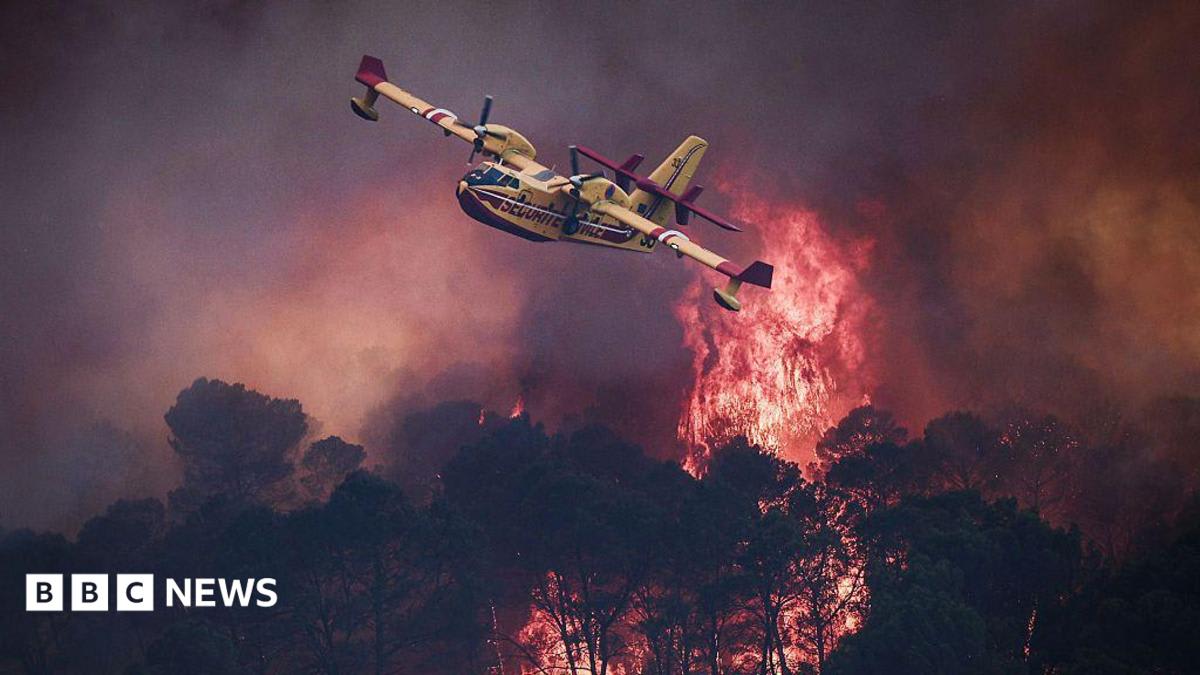
A massive wildfire in France and Spain has reached an unprecedented scale, fueled by the rare formation of pyrocumulonimbus clouds. These fire-generated thunderstorms have created erratic, unmanageable conditions, forcing large-scale evacuations and prompting travel advisories for the region.
The Unprecedented Fire Crisis in Europe
A massive wildfire crisis is currently unfolding across the Bordeaux region of France and extending into the Avila and Toledo areas of Western Madrid. The scale of the destruction is staggering, with nearly 104,000 acres burned in France and approximately 190,000 acres consumed in Spain. This event is being labeled as both "unprecedented" and "historic," marking a significant escalation in the fire season, which has already seen roughly 250,000 acres burned in France since the start of the year.
The Rise of Pyrocumulonimbus Clouds
At the heart of this crisis is the emergence of a rare and dangerous meteorological phenomenon known as a "pyrocumulonimbus." These are essentially fire-driven clouds that possess the power to generate their own thunderstorms, winds, and even whirlwinds. As Captain Nicolas Braz noted, these clouds make the fires "erratic and unmanageable," complicating suppression efforts for emergency responders who are forced to contend with self-sustaining weather systems created by the heat of the blaze itself. While this phenomenon has been documented in places like California, Australia, and Portugal, its presence in this European context signals a severe shift in fire behavior.
Challenges for Emergency Services
The operational burden on local authorities has reached a breaking point. The fire in the Gironde region of France has triggered some of the largest evacuations in the country's recent history. Because these fire clouds create unpredictable wind patterns, firebreaks and containment strategies that are usually reliable under standard conditions are failing. Thousands of acres have been lost, and the volatility of the fire front continues to threaten both residential and natural ecosystems.
Implications for Travel and Safety
For those with travel plans to France or Spain, the situation remains fluid. While the UK government has not issued a blanket ban on travel, it has urged extreme caution, warning that road closures and further evacuations can occur with little notice. The period between April and October is now officially recognized as a high-risk window for wildfires in these regions. Travelers are strictly advised to monitor local emergency updates and keep the emergency number, 112, readily available.
Future Trends and Conclusion
This crisis highlights a growing trend of extreme, weather-driven wildfire events that defy traditional fire management techniques. As pyrocumulonimbus formations become a more frequent component of large-scale wildfires globally, the capacity of local governments to manage these disasters will be tested. The convergence of historic acreage loss and the emergence of these complex fire clouds suggests that European wildfire seasons are becoming more lethal and harder to predict, necessitating a shift in how both governments and the public approach fire-prone regions during the summer months.