Putin turns Moscow into a fortress with dozens of new Pantsir towers & fresh S‑400 sites | Ukraine
Source Entity
Latest News: Todays Latest News Headlines from India & World | Hindustan Times | Hindustan Times
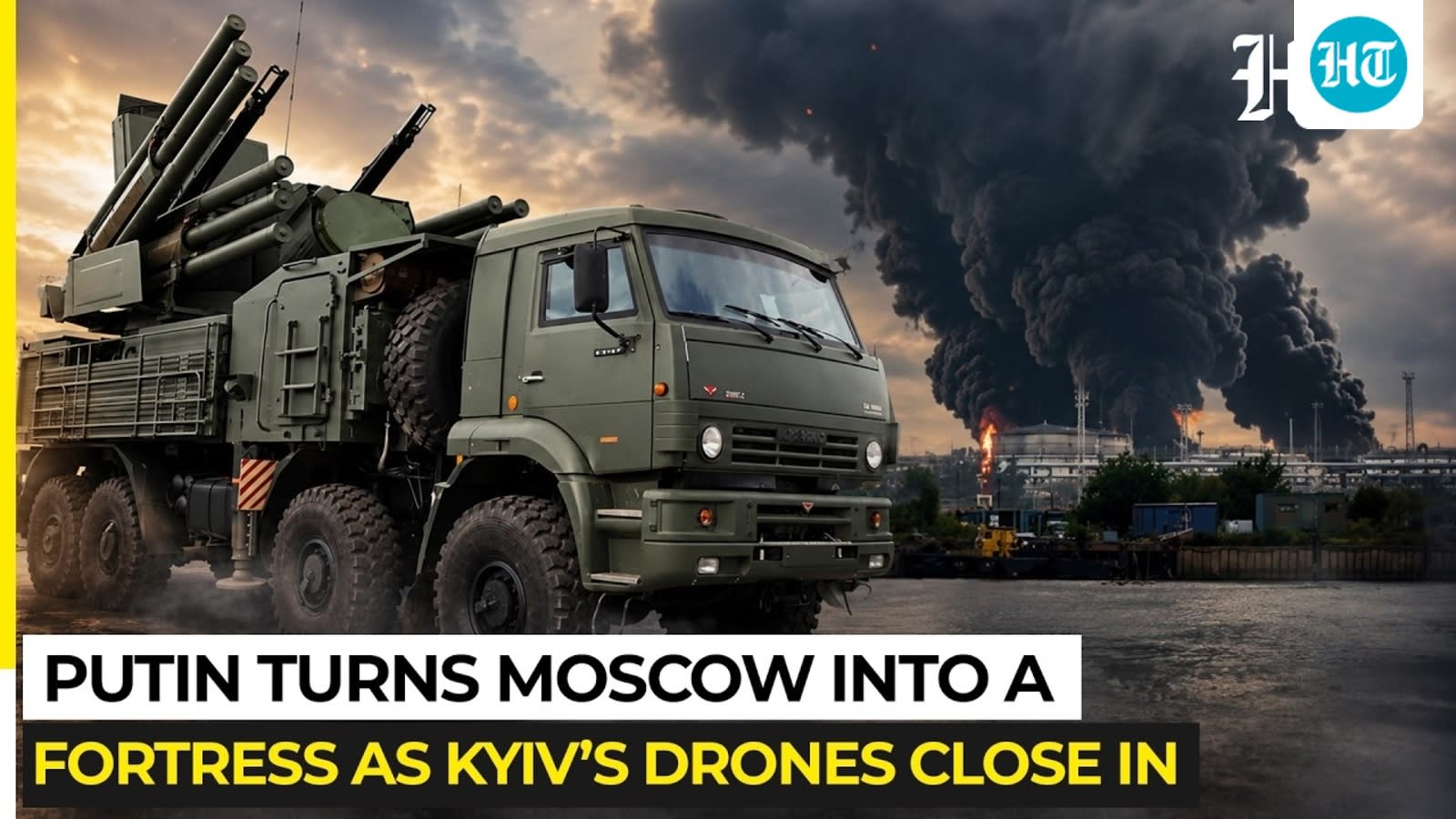
Russia has significantly fortified Moscow with new Pantsir and S-400 air defense systems in response to intensifying Ukrainian long-range drone strikes. This escalation reflects a broader shift toward deep-strike warfare as both nations target critical infrastructure to disrupt military and economic capabilities.
The Fortification of Moscow: A New Era of Aerial Warfare
Recent reports indicate a significant transformation in the aerial defense posture of the Russian capital. As the conflict with Ukraine enters a more volatile phase, Moscow has been effectively turned into a fortress. Open-source intelligence highlights the construction of approximately 24 new Pantsir missile defense positions, forming a defensive ring roughly 40 kilometers from the city center. This strategic buildup is a direct response to the increasing frequency and reach of Ukrainian long-range drone campaigns.
Strategic Layering of Air Defenses
The defensive strategy being employed involves a multi-layered approach. Beyond the new ground-based Pantsir positions, authorities have reportedly deployed Pantsir-SMD systems onto rooftops across the city to counter low-altitude threats. Furthermore, the identification of new sites intended for S-400 air defense systems suggests a comprehensive effort to create an impenetrable umbrella over Moscow. This hardware is specifically positioned to shield high-value assets, including President Vladimir Putin’s residence, Vnukovo Airport, and critical energy infrastructure such as oil refineries and electrical substations.
The Drivers of Escalation
This defensive posture is necessitated by the evolving capabilities of the Ukrainian military. President Volodymyr Zelensky has publicly signaled an expansion of Ukraine’s long-range strike campaign, with Kyiv claiming the ability to strike targets over 3,000 kilometers away. The intensity of this threat is underscored by Russian official claims that nearly 1,900 Ukrainian drones targeted the Moscow region within a single week. Such numbers illustrate that the war is no longer confined to the frontlines, but has permeated the Russian heartland.
Targeting the 'War Machine'
The expansion of Moscow’s defenses coincides with Zelensky’s unveiling of an updated list of 'priority targets' designed to cripple Russia’s logistics and military industrial complex. In retaliation for these strikes, Russia has intensified its own aerial campaigns, recently launching 147 long-range drones across Ukrainian territory. This tit-for-tat dynamic has resulted in a dangerous cycle of destruction, with both sides focusing on the degradation of oil infrastructure and logistics networks to gain a strategic advantage.
Broader Implications and Future Trends
As the war enters this more dangerous phase, the focus has shifted toward deep-strike capability as a primary bargaining chip. While Russia attempts to project an image of being 'untouchable' through its reinforced air defenses, the constant threat of drone strikes forces the Kremlin to divert resources from the frontlines to home defense. Conversely, Ukraine’s reliance on deep strikes indicates a strategy aimed at attrition, forcing Russia to exhaust its expensive interceptor missiles and maintain a high-alert status indefinitely.
Conclusion: A War of Attrition
The fortification of Moscow is a clear indicator that the conflict has evolved into a war of attrition where domestic stability is as critical as battlefield performance. With Russia dismissing peace overtures and both sides doubling down on infrastructure strikes, the trend points toward a sustained period of aerial volatility. The resilience of these new defensive networks will likely determine the threshold of escalation in the coming months, as both Moscow and Kyiv continue to test the limits of their respective military machines.
Verification Required?