Skull fractures suggest servants of Egypt’s ancient kings were sacrificed
Source Entity
Nicola Davis Science correspondent
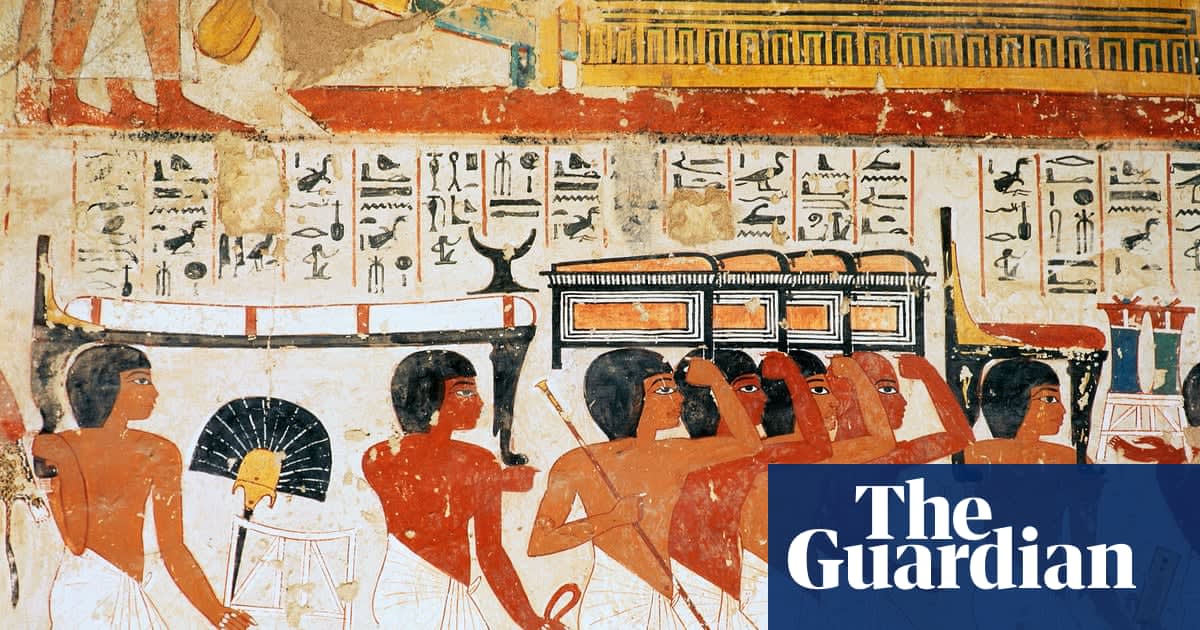
New forensic research on First Dynasty Egyptian skulls reveals evidence of blunt force trauma, strongly supporting the theory of 'retainer sacrifice.' This study sheds light on the burial customs of early pharaohs and their royal households at the ancient site of Umm el-Qa’ab.
Forensic Evidence Illuminates Ancient Egyptian Mortuary Practices
Recent scientific investigations have provided compelling, albeit grim, evidence regarding the burial practices of Egypt’s First Dynasty. Published in the journal Frontiers in Environmental Archaeology, research conducted by Dr. Roselyn Campbell of Purdue University suggests that the concept of 'retainer sacrifice'—the practice of killing members of a royal household to serve their ruler in the afterlife—was likely a reality for early Egyptian pharaohs. By analyzing a collection of skulls excavated in the 1920s from the royal cemetery at Umm el-Qa’ab, researchers identified that 39 percent of the individuals exhibited signs of fatal blunt force trauma.
The Historical Context of Umm el-Qa’ab
The site of Umm el-Qa’ab, located near Abydos, serves as a critical window into the dawn of Egyptian civilization. Dating back to approximately 3,000 BC, this necropolis houses the tombs and enclosures of the First Dynasty rulers. Unlike the later, better-preserved pyramids of Giza, these early tombs were often subject to looting and rapid, sometimes poorly documented, excavations. Because of this, the physical remains associated with these rulers have long been a subject of intense debate among Egyptologists attempting to reconcile historical texts with archaeological reality.
Analyzing the 'Retainer Sacrifice' Theory
For decades, scholars have hypothesized that the presence of graves belonging to seal-bearers, inspectors, artisans, and ladies of the court surrounding royal burials was not merely a sign of high status, but evidence of ritualized death. The new forensic data provides a critical physical link to these theories. The presence of blunt force trauma on over one-third of the examined skulls serves as a biological indicator of violence that contradicts the notion of natural death, supporting the interpretation that these individuals were killed to accompany their sovereign into the afterlife.
The Evolution of Royal Burials
The study highlights a transition in burial customs. Dr. Campbell notes that while Aha, the inaugural ruler of the First Dynasty, was accompanied by only a limited number of subsidiary burials, the practice appears to have evolved with his successors. This suggests that the societal structure and the perceived necessity of maintaining a royal household in the afterlife became increasingly codified as the Egyptian state consolidated its power during the early dynastic period.
Broader Implications and Future Research
This research represents a significant leap forward in bioarchaeology, demonstrating how re-examining legacy collections through modern forensic techniques can rewrite historical narratives. By applying rigorous physical analysis to long-excavated remains, scientists are moving beyond speculation to establish concrete evidence of ancient social hierarchies and religious ideologies. As technology continues to advance, the re-analysis of such archaeological sites will likely continue to clarify the complexities of early Egyptian statecraft, revealing how the living expressed their power and religious devotion through the treatment of the dead.
Conclusion
The findings at Umm el-Qa’ab provide a somber reflection of the extreme measures taken by ancient civilizations to honor their leaders. By confirming the likelihood of retainer sacrifice, the study bridges the gap between historical conjecture and physical reality, solidifying our understanding of the high costs associated with service to the early Egyptian pharaohs.