Why cutting short-lived climate pollutants is a key climate priority
Source Entity
The Indian Express
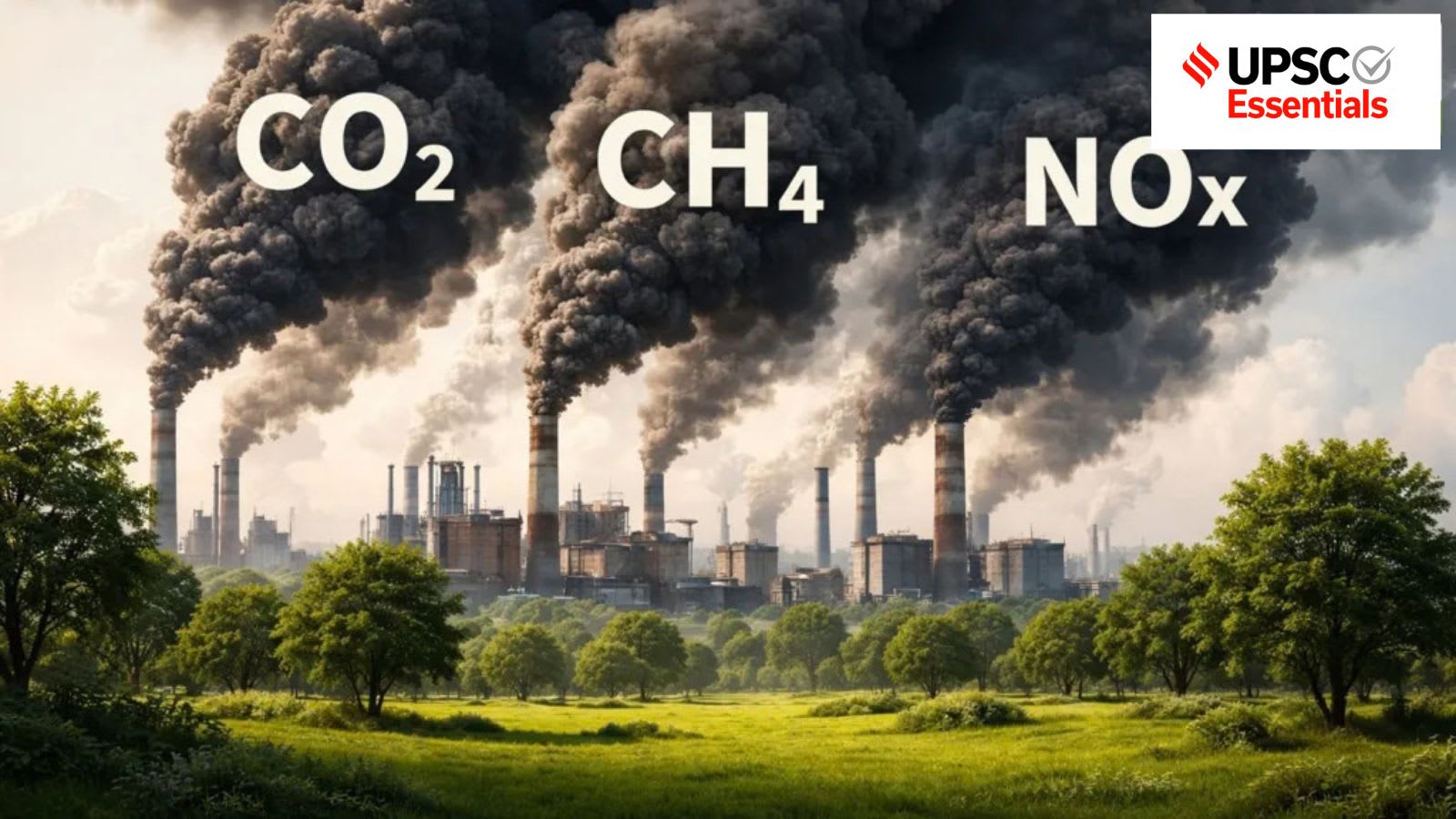
Short-lived climate pollutants (SLCPs) drive nearly 45% of current global warming and exacerbate air pollution. Rapid mitigation of these pollutants is essential to meeting climate goals and preventing irreversible environmental tipping points.
The Urgent Case for Mitigating Short-Lived Climate Pollutants
Short-lived climate pollutants (SLCPs) have emerged as a critical focal point in the global discourse on environmental stability. While carbon dioxide remains the primary focus of long-term climate policy due to its atmospheric longevity, SLCPs—which include methane, black carbon, and hydrofluorocarbons—possess a much higher global warming potential over shorter timeframes. As noted by current research, these substances are responsible for up to 45% of current global warming, making them an immediate lever for climate action that cannot be ignored.
Dual Benefits: Climate and Public Health
The dual nature of SLCPs presents a unique opportunity for policymakers. Because these pollutants are also major contributors to hazardous air quality, mitigation strategies offer a synergistic advantage. By reducing the emission of black carbon and other particulate matter, nations can simultaneously curb the rate of global temperature rise while significantly improving public health outcomes. This dual-impact approach transforms climate mitigation from a long-term abstract goal into an immediate, tangible improvement in the living conditions of urban and industrial populations.
The IPCC Perspective and 2050 Projections
According to the 2018 Special Report on 1.5°C by the Intergovernmental Panel on Climate Change (IPCC), the potential impact of SLCP reduction is profound. The report highlights that aggressive action on these pollutants could avoid over half a degree of warming by 2050. This is a vital margin, especially considering the narrow window available to keep global temperature increases within the 1.5°C threshold. Furthermore, the reduction of SLCPs is projected to cut over 50% of the predicted warming in the Arctic by the same timeframe.
Preventing Irreversible Tipping Points
The Arctic region serves as the proverbial canary in the coal mine for the global climate system. The analysis of SLCPs emphasizes the risk of triggering dangerous climate tipping points, specifically the thawing of permafrost. Once permafrost begins to thaw, it releases trapped carbon dioxide and methane, creating a feedback loop that is largely beyond human control. By acting now to reduce SLCP emissions, we are essentially buying the planet more time to stabilize these fragile ecosystems before they reach a point of no return.
Future Trends and Policy Implications
Moving forward, the integration of SLCP mitigation into Nationally Determined Contributions (NDCs) will be a key indicator of climate policy success. As the world transitions toward cleaner energy, the focus on short-lived pollutants will likely intensify, shifting from general emission targets to specific, high-impact interventions in agriculture, waste management, and transport. The ability to achieve rapid, measurable results makes SLCP reduction an essential pillar in the broader, comprehensive strategy required to mitigate the effects of global climate change.