Explosions Heard Off The Coast Of Iran's Qeshm Island
Source Entity
NDTV News Search Records Found 1000
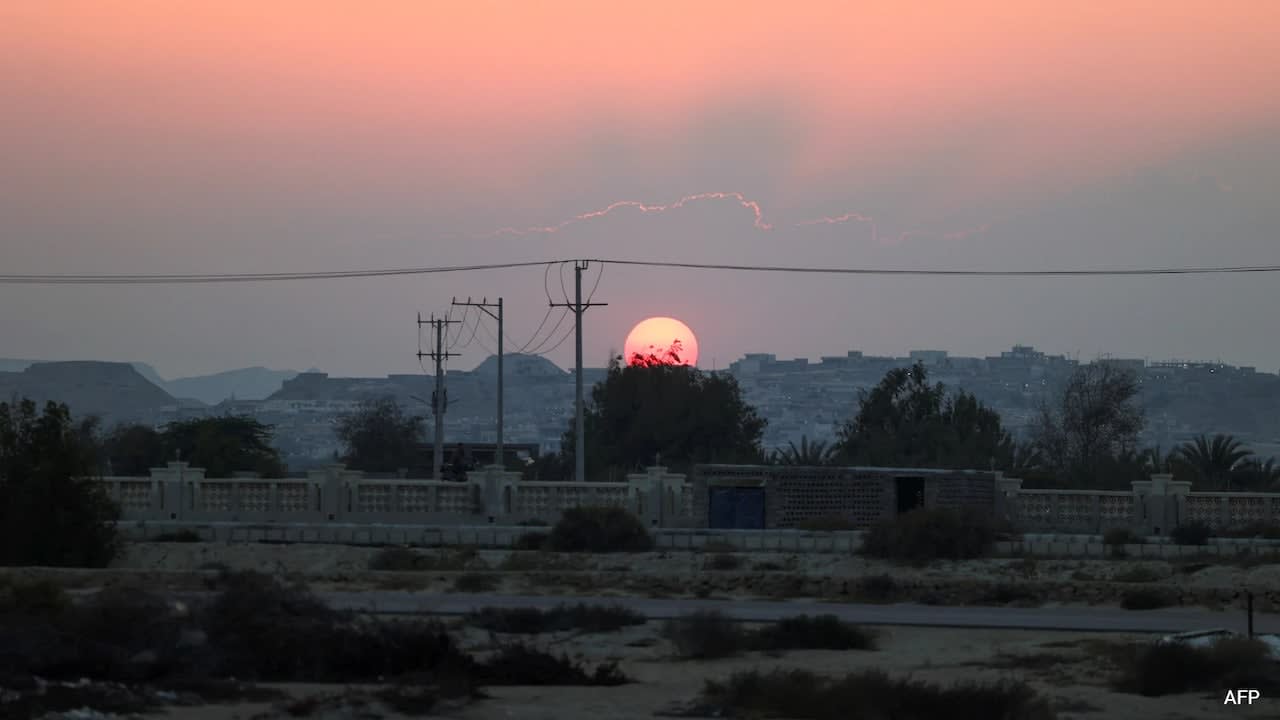
Reports of explosions near Iran's Qeshm Island indicate rising regional maritime tensions. These events are linked to U.S. efforts to enforce a counterblockade against vessels attempting to bypass maritime restrictions.
Tensions Escalate Near Qeshm Island
Recent reports of explosions off the coast of Iran’s Qeshm Island signal a significant escalation in maritime volatility within the Persian Gulf. Qeshm, a strategically vital island located at the narrowest point of the Strait of Hormuz, has long been a focal point for regional power dynamics. The occurrence of these explosions suggests that the waters surrounding this chokepoint are becoming increasingly contested, reflecting the broader geopolitical friction between Iran and the United States.
The Mechanics of the Counterblockade
The situation is intrinsically linked to the United States' active enforcement of a counterblockade policy. By targeting ships suspected of attempting to circumvent established maritime restrictions, the U.S. is signaling a rigorous commitment to its current foreign policy objectives in the region. This strategy aims to limit the movement of specific cargo and vessels that threaten to undermine U.S.-led maritime sanctions, effectively turning the waters around Qeshm into a high-stakes arena of naval interception and deterrence.
Strategic Implications of Maritime Interdiction
The U.S. policy of targeting ships attempting to break the counterblockade carries profound implications for global trade and energy security. Because a substantial portion of the world’s oil supply transits through the Strait of Hormuz, any kinetic activity—such as reported explosions—risks disrupting vital shipping lanes. This creates a precarious environment where commercial vessels, even those not directly involved in the blockade dispute, face increased insurance premiums and operational risks, potentially impacting global commodity prices.
Historical Context and Regional Stability
Historically, the waters surrounding Qeshm Island have been the site of frequent naval posturing and skirmishes. The current escalation fits into a long-standing pattern of 'gray zone' warfare, where state actors utilize non-traditional tactics to exert pressure without triggering a full-scale conventional conflict. By focusing on maritime interdiction, both the United States and regional actors are navigating the thin line between strategic signaling and unintended military escalation.
Future Trends and Outlook
Looking ahead, the stability of the Persian Gulf will likely remain contingent upon the intensity of these interdiction efforts. If the U.S. continues to aggressively target ships attempting to bypass the counterblockade, it is probable that we will see an increase in asymmetric responses from regional powers. The international community will likely watch these developments closely, as the potential for a miscalculation remains high, threatening to expand the scope of current localized tensions into a broader regional crisis.
Verification Required?