Extreme Heat Is Making London Homes Sink. Here's Why
Source Entity
NDTV News Search Records Found 1000
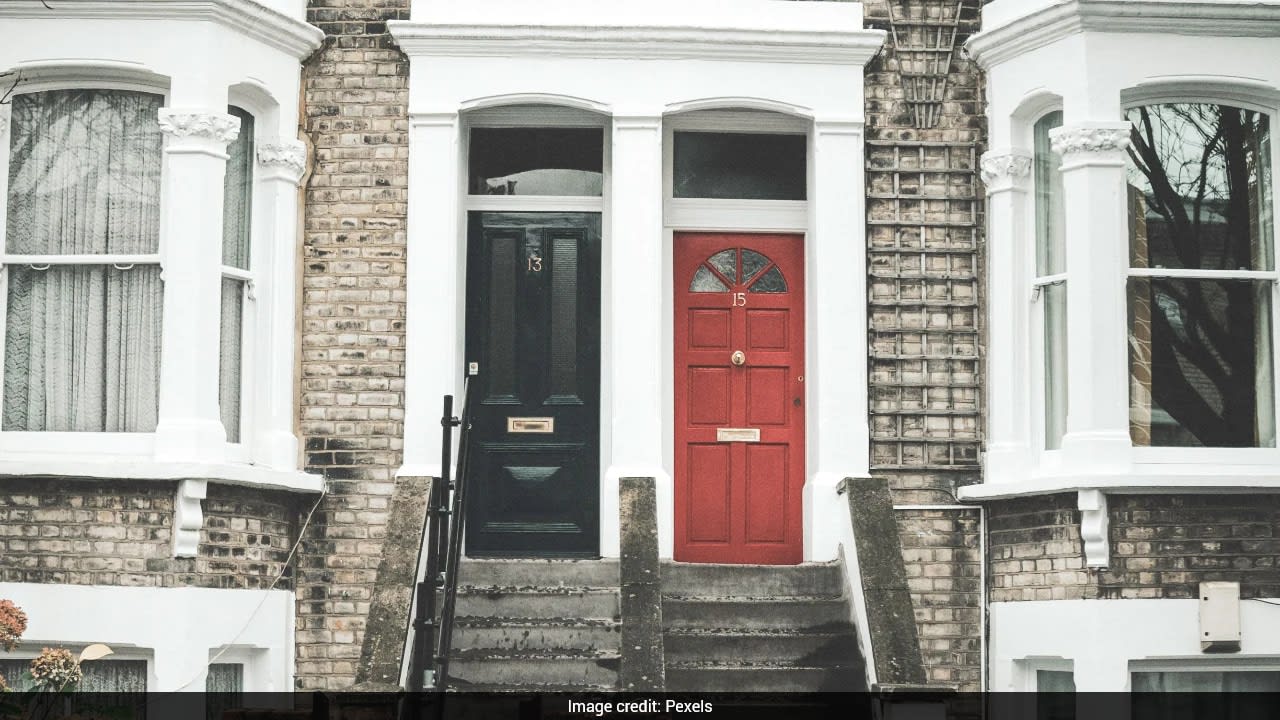
London homes are facing structural risks due to subsidence, a phenomenon triggered by extreme heat cycles. This geological shift threatens the stability of older housing stock across the city.
The Silent Crisis Beneath London's Foundations
London’s architectural landscape, characterized by its historic brick terraces and Victorian-era housing, is currently confronting an invisible but severe structural threat: subsidence. While often associated with sudden geological shifts, the current issue is driven by the cyclical nature of extreme heat. As temperatures rise, the clay-rich soil prevalent throughout much of the London basin undergoes significant desiccation, leading to shrinkage that undermines the integrity of building foundations.
Understanding the Mechanics of Subsidence
Subsidence occurs when the ground beneath a building collapses or sinks, pulling the foundation downward. In London, this is intrinsically linked to the city's unique soil composition. Much of the capital sits upon London Clay, a highly plastic soil type that is acutely sensitive to moisture content. During periods of prolonged heatwaves and drought, the moisture is extracted from the clay, causing the soil to shrink and creating gaps beneath building footings. When the inevitable rainy season returns, the soil expands, creating a cycle of movement that causes walls to crack and structural alignments to shift.
The Vulnerability of Historic Infrastructure
Many of London’s homes were constructed in the 19th and early 20th centuries, long before modern climate modeling accounted for the extreme temperature fluctuations seen today. These older properties typically feature shallow foundations that are poorly equipped to handle the shifting soil dynamics caused by modern climate change. As heatwaves become more frequent and intense, the cumulative stress on these historic structures is reaching a breaking point, leading to visible damage such as diagonal cracks in masonry and sticking window frames.
Broader Implications for Urban Planning
This trend poses a significant challenge for urban planners and homeowners alike. The economic implications are profound, as insurance premiums for properties in high-risk zones continue to rise, and the cost of underpinning homes—a process of strengthening foundations—becomes increasingly prohibitive. Furthermore, the issue highlights the necessity for retrofitting older housing stocks. Without intervention, large swaths of the city could face long-term habitability issues, forcing a broader conversation about how historic cities can adapt to a warming planet.
Future Trends and Mitigation
Looking ahead, the correlation between climate change and structural instability will likely dictate future building codes and conservation strategies. Engineers are now tasked with developing more resilient foundation technologies that can withstand the erratic expansion and contraction of clay soils. As extreme heat becomes the new norm, the mitigation of subsidence will shift from a niche engineering concern to a central pillar of London's urban climate adaptation policy. Protecting the city’s architectural heritage will require a combination of advanced soil stabilization techniques and proactive monitoring of ground movement.
Verification Required?