FAA Says Airlines Should Check Seat Installation on Some Boeing Planes
Source Entity
Yahoo Finance
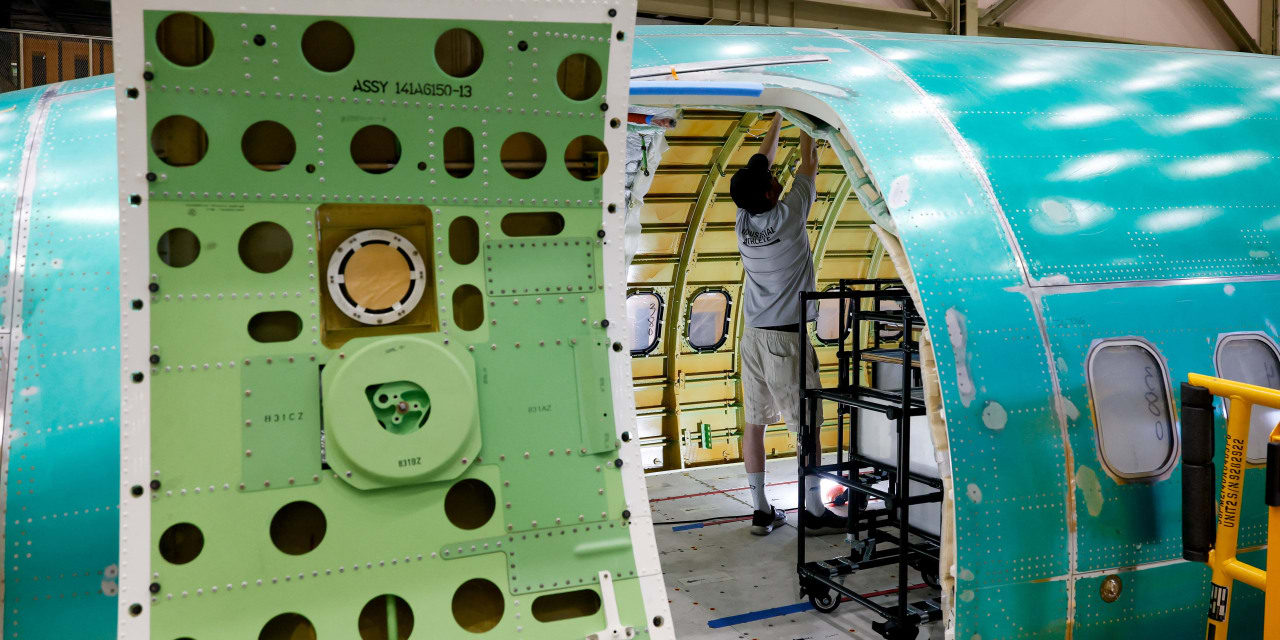
The FAA has issued a directive urging airlines to inspect seat installations on specific Boeing aircraft models. This move follows reports of potential safety risks related to loose or improperly secured passenger seating.
FAA Mandates Inspections for Boeing Seat Installations
Overview of the Safety Directive
The Federal Aviation Administration (FAA) has recently issued a formal communication advising airlines to conduct thorough inspections of seat installation configurations on certain Boeing aircraft. This directive stems from identified concerns regarding the potential for improperly secured passenger seats, which could pose significant risks during flight operations, particularly during turbulence or emergency maneuvers. By prioritizing these inspections, the FAA seeks to reaffirm its commitment to aviation safety standards and ensure that all cabin interiors meet stringent regulatory requirements.
The Importance of Cabin Integrity
Passenger seats are not merely comfort features; they are critical safety components designed to protect occupants during various flight phases. The integrity of these installations—including the locking mechanisms, floor tracks, and attachment hardware—is paramount. If a seat is not correctly anchored, it can become a hazard, potentially obstructing egress or causing injury. The FAA’s focus on this issue underscores the complexity of modern aircraft maintenance, where even minor deviations in hardware installation can have outsized implications for overall airworthiness.
Contextualizing Boeing's Current Climate
This development occurs against a backdrop of heightened scrutiny regarding Boeing’s manufacturing and maintenance oversight. Over the past several years, the aerospace giant has faced rigorous evaluations from regulators worldwide. While this specific directive focuses on seat installations, it reflects a broader industry trend where regulatory bodies are adopting a more proactive stance toward identifying and mitigating mechanical risks before they manifest into more severe operational failures.
Broader Implications for Aviation Maintenance
The directive necessitates that airlines adjust their maintenance schedules to prioritize these specific inspections. For the aviation industry, this means an increased focus on quality assurance protocols in cabin interior maintenance. As airlines manage complex fleets, ensuring that maintenance technicians are strictly adhering to original equipment manufacturer (OEM) specifications is essential to maintaining the high safety margins that the public expects from commercial air travel.
Future Trends and Regulatory Outlook
Looking ahead, it is likely that the FAA will continue to leverage data-driven insights to issue targeted maintenance directives. As aircraft technology evolves and fleets age, the focus on 'cabin safety' will remain a significant pillar of federal oversight. Airlines that invest in robust, digitized maintenance tracking systems will likely be better positioned to navigate these regulatory requirements, ultimately leading to a more standardized and safer flying experience for passengers globally.