The future of flying? US speeds up plans for air taxis, supersonic planes and drones
Source Entity
TOI BUSINESS DESK
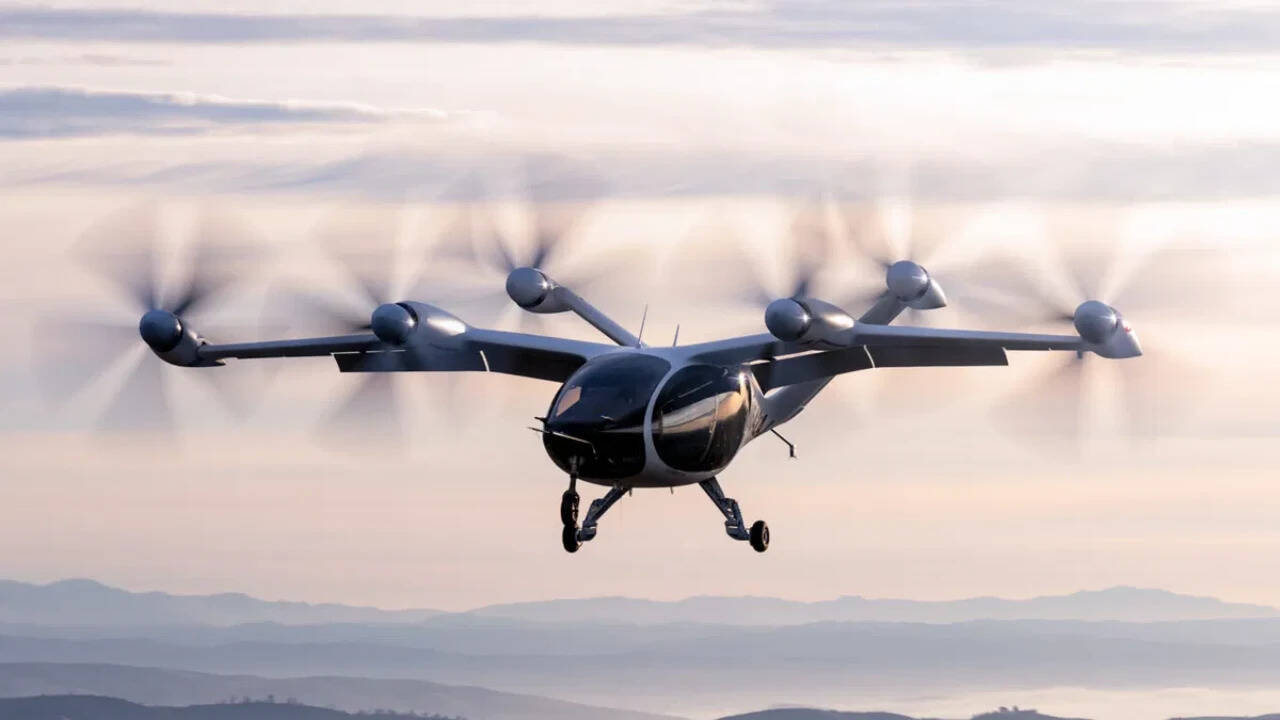
The FAA is modernizing aviation regulations to accelerate the integration of air taxis, supersonic travel, and drone technology. These updates aim to streamline certification processes and foster commercial innovation in the aerospace sector.
The FAA's Strategic Shift Toward Next-Generation Aviation
The Federal Aviation Administration (FAA) is currently undergoing a significant regulatory evolution, signaling a shift in how the United States approaches the integration of revolutionary aerospace technologies. By prioritizing the modernization of aviation rules, the agency is actively facilitating the transition of air taxis, supersonic passenger flights, and advanced drone operations from theoretical concepts into practical, commercial realities. This proactive stance, as outlined by Deputy Administrator Chris Rocheleau, aims to replace rigid, prescriptive standards with flexible, performance-based certifications that allow the private sector to innovate more rapidly.
Enabling the Air Taxi Ecosystem
Central to this initiative is the rollout of pilot programs specifically designed to prepare for the commercial operation of electric vertical takeoff and landing (eVTOL) aircraft, commonly known as air taxis. These efforts are not merely about flight certification but encompass the entire infrastructure required for urban air mobility. This includes the development of robust charging networks and ground operations that can support the high-frequency nature of electric aircraft. By working closely with industry partners, the FAA is building a framework that ensures these vehicles can integrate safely into the existing national airspace system without compromising safety protocols.
The Resurgence of Supersonic Travel
Beyond urban mobility, the FAA is actively pushing to revive supersonic passenger travel, a sector that has remained dormant since the retirement of the Concorde. Modern supersonic designs promise to drastically reduce transoceanic travel times, but they face significant regulatory hurdles regarding noise pollution and environmental impact. The agency's commitment to streamlining these certification processes is a critical catalyst for companies aiming to bring faster-than-sound commercial flights back to the skies, potentially reshaping global travel and international business connectivity.
Scaling Drone and Space Integration
In addition to passenger-carrying craft, the FAA is expanding its focus on the commercial drone sector and the burgeoning market for commercial space launches. As drone usage transitions from hobbyist activities to complex commercial applications—such as logistics, agricultural monitoring, and infrastructure inspection—the FAA's regulatory framework must evolve to manage increased traffic density. Similarly, the surge in private sector space flight requires a more agile approach to air traffic management, ensuring that rocket launches do not disrupt commercial aviation corridors.
Broader Implications and Future Trends
The broader implications of these regulatory changes are profound; they suggest a future where the sky becomes a multi-layered transportation network. By fostering an environment where innovation is not stifled by outdated bureaucratic processes, the U.S. is positioning itself as a global leader in the next aerospace revolution. If these efforts succeed, we can expect to see a more interconnected economy where the speed of travel is significantly increased and the logistical capabilities of autonomous systems are vastly expanded, marking a new chapter in the history of aviation.