Farmers Blame Waterlogging For Stubble-Clearing Issues In Punjab's Fazlika
Source Entity
NDTV News Search Records Found 1000
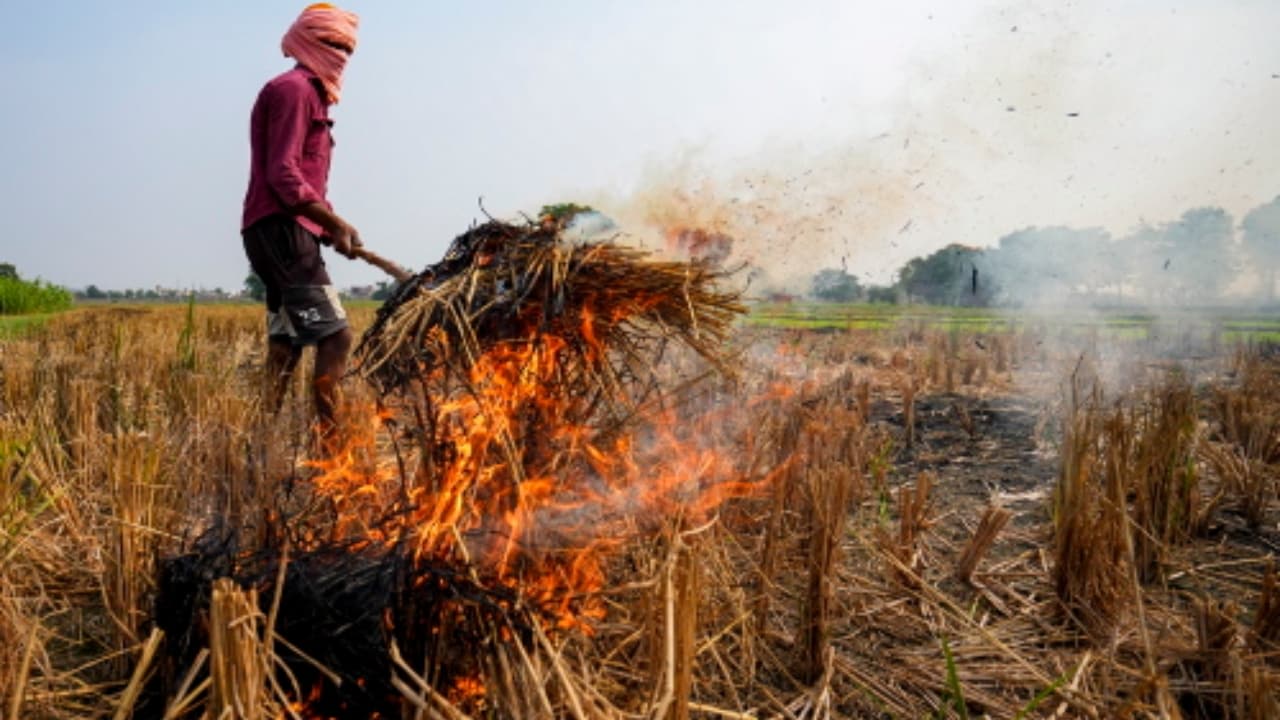
Farmers in Punjab's Fazilka district are reporting significant challenges with stubble clearing due to severe waterlogging. This condition is disrupting essential post-harvest operations and delaying the sowing of subsequent crops.
Agricultural Crisis in Fazilka: The Impact of Waterlogging
Recent reports from the Fazilka district of Punjab highlight a growing agricultural crisis as farmers struggle to manage post-harvest stubble clearing. Persistent waterlogging in fields has created an environment where traditional machinery and manual labor are rendered ineffective, significantly hindering the transition between harvest and the next sowing cycle.
The Mechanics of the Stubble Management Struggle
The clearing of crop residue, commonly referred to as stubble, is a critical phase in Punjab's agricultural calendar. When fields are waterlogged, the ground becomes unstable, preventing the heavy machinery typically used for mulching or baling from operating effectively. This leads to a bottleneck in the field preparation process, forcing farmers to contend with residual stalks that interfere with soil aeration and seed placement.
Implications for Post-Harvest Operations
The inability to clear stubble efficiently has a domino effect on all subsequent agricultural operations. Sowing, which requires a precise seed-to-soil contact, is severely compromised when fields remain saturated or covered in unmanaged residue. Farmers in Fazilka are finding that their timelines are being pushed back, raising concerns about the potential for reduced yields if the optimal planting window is missed.
Broader Context of Punjab's Agrarian Challenges
This situation in Fazilka is reflective of broader environmental challenges facing Punjab’s agricultural belt. Soil health and drainage management have become increasingly complex issues in the region, often exacerbated by erratic climate patterns. When fields remain waterlogged post-harvest, it indicates a failure in local drainage infrastructure or an unusual concentration of rainfall that disrupts standard agricultural workflows.
Future Trends and Economic Impact
If the waterlogging persists, the local agricultural economy in Fazilka could face significant strain. Future trends suggest that unless drainage systems are modernized or farmers are provided with specialized equipment capable of operating in saturated soil, the risk of crop failure or delayed planting will remain high. The economic stability of smallholder farmers is particularly at risk, as they bear the brunt of these operational delays.
Conclusion
The current predicament in Fazilka serves as a stark reminder of the vulnerability of modern farming to environmental conditions. Addressing the immediate issue of waterlogging is essential to ensure that farmers can clear their fields and proceed with sowing, thereby securing the productivity of the upcoming season.
Verification Required?