Farmers call off march to Mumbai after Fadnavis govt promises drought relief
Source Entity
Latest News: Todays Latest News Headlines from India & World | Hindustan Times | Hindustan Times
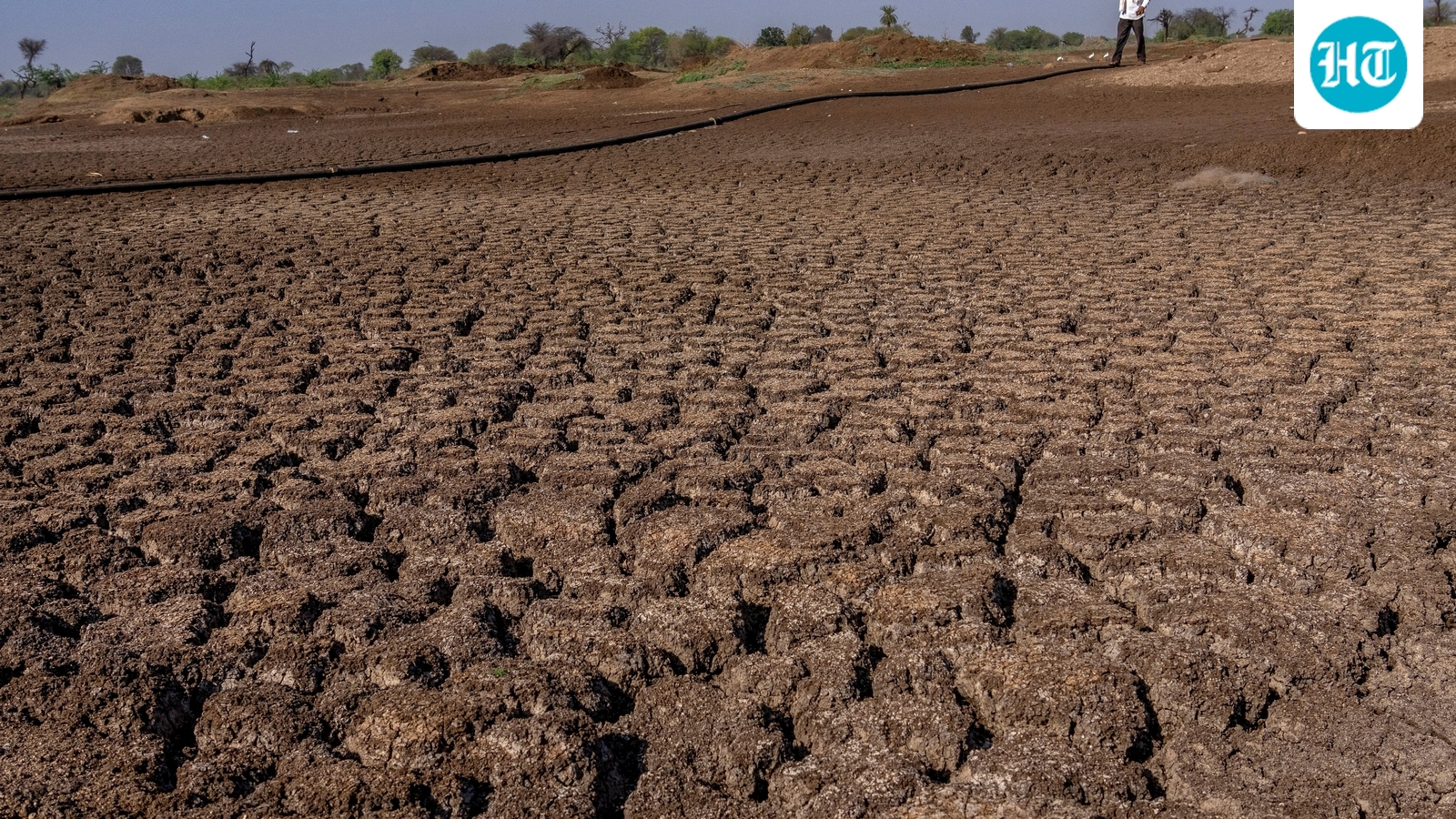
Over 12,000 farmers led by the All India Kisan Sabha called off their protest march to Mumbai after receiving assurances from CM Devendra Fadnavis. The government promised to address drought relief, crop insurance, and loan waiver policy concerns.
Farmers' Protest in Maharashtra: A Strategic De-escalation
The decision by over 12,000 farmers to withdraw their march from Igatpuri to Mumbai marks a significant moment in the ongoing dialogue between the agrarian community and the Maharashtra state government. Organized under the banner of the Leftist All India Kisan Sabha, the protest was driven by a desperate need for state intervention in the face of severe drought conditions. By marching along the critical Nashik–Mumbai highway, the farmers effectively signaled the urgency of their plight, forcing the administration to engage in high-level negotiations.
Core Grievances and the Demand for Reform
At the heart of the protest were three primary demands: immediate drought relief, the disbursement of pending crop insurance payments, and comprehensive farm loan waivers. These issues are symptomatic of broader agricultural distress in the region, where climate volatility and economic instability have created a precarious existence for smallholder farmers. The leadership, specifically Ajit Nawale of the All India Kisan Sabha, highlighted a critical flaw in existing policy, arguing that the current loan waiver frameworks often overlook farmers who demonstrate fiscal responsibility by regularly repaying their debts.
The Role of Government Intervention
Chief Minister Devendra Fadnavis’s decision to meet with the protest delegation represents a classic conflict-resolution approach in Indian politics. By providing a 'positive response' and formal assurances that the government would review the demands and implement remedial steps, the administration managed to avert the logistical disruption and political optics of a massive protest reaching the capital city. This engagement underscores the government's recognition of the political and humanitarian stakes involved in managing agrarian discontent.
Analyzing the Policy Implications
The call for reforming the farm loan waiver policy is particularly noteworthy. It suggests a shift in the discourse from simple 'debt forgiveness' to a more nuanced 'equity-based' approach. If implemented, a policy that rewards regular payers would represent a significant departure from traditional loan waiver schemes, which are often criticized for their potential to foster moral hazard. This development could set a precedent for how future agricultural policy is structured in drought-prone regions.
Historical Context and Future Outlook
This event is part of a recurring pattern of agrarian mobilization in Maharashtra, where farmers have frequently used long-distance marches to highlight systemic neglect. The reliance on the Nashik–Mumbai highway as a site of protest reflects the strategic use of geography to gain leverage. Looking ahead, the success of this de-escalation will depend entirely on the government's ability to translate its 'positive response' into actionable policy changes that effectively mitigate the impact of drought and ensure long-term sustainability for the farming community.
Conclusion
While the immediate crisis has been averted through dialogue, the underlying issues of drought management and insurance accessibility remain. The temporary cessation of the march serves as a cooling-off period, but the government now faces the arduous task of fulfilling its promises to prevent a resurgence of protests. The situation remains a critical test case for balancing fiscal responsibility with the urgent welfare needs of the agricultural sector.
Verification Required?