'Act of treason': BJP guns for Farooq Abdullah over 'Pak protecting Kashmiris' remark
Source Entity
VIJAYA SRIVASTAVA
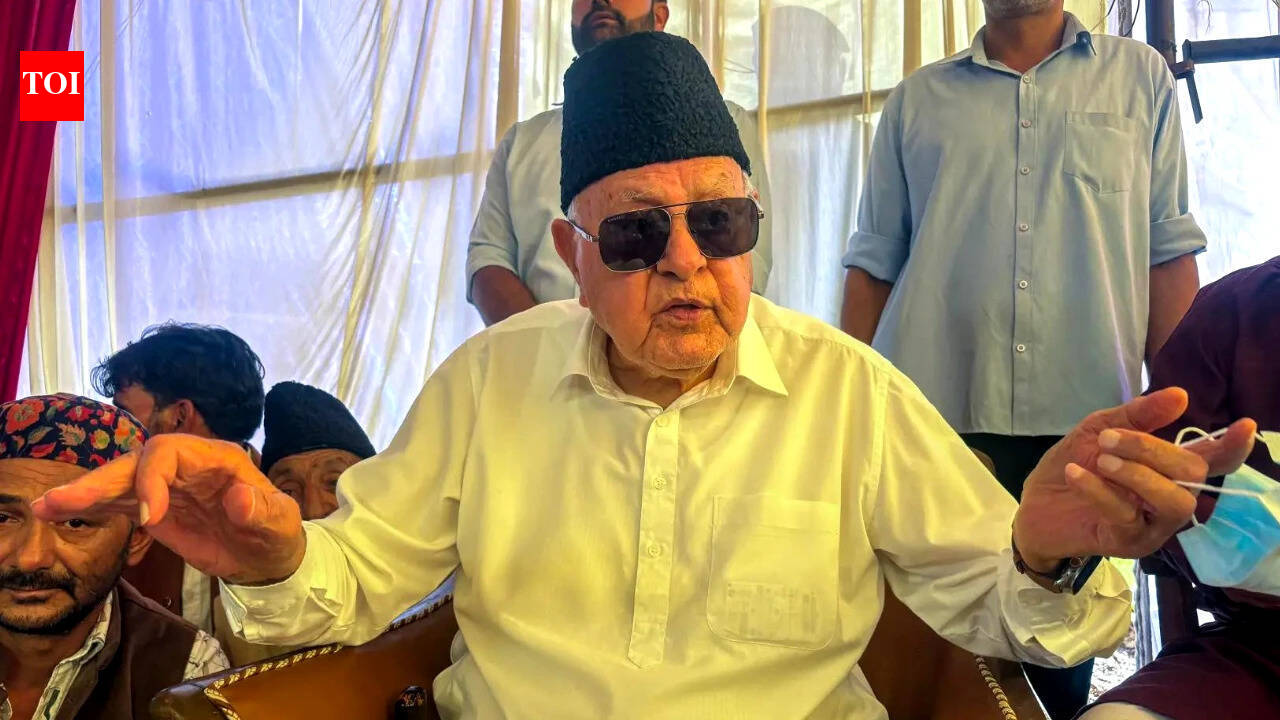
National Conference leader Farooq Abdullah has sparked a major political controversy by crediting Pakistan for keeping the Kashmir issue alive internationally. The BJP has condemned these remarks as seditious, accusing Abdullah of echoing anti-India narratives.
The Controversy Surrounding Farooq Abdullah's Recent Remarks
National Conference (NC) president and former Jammu and Kashmir Chief Minister Farooq Abdullah has ignited a fierce political firestorm following his recent address at a workers' gathering in the Baramulla district. During his speech, Abdullah expressed profound skepticism regarding the central government's intentions toward the people of Jammu and Kashmir. He explicitly questioned whether the current administration in Delhi would provide justice to the region, urging the local population to remain resolute in defending their political identity and interests.
The Pakistan Narrative and Diplomatic Friction
The core of the controversy stems from Abdullah’s assertion that Pakistan has played a pivotal role in keeping the Kashmir issue relevant on global platforms. By suggesting that Pakistan’s diplomatic efforts have ensured that the voices of Kashmiris are heard internationally, Abdullah has effectively credited a geopolitical rival with safeguarding the interests of a region that India considers an integral part of its territory. This perspective stands in direct opposition to the Indian government’s long-standing stance that Kashmir is an internal matter and that Pakistan acts as a source of regional instability.
BJP’s Strong Response and Accusations of Treason
In immediate response, the Bharatiya Janata Party (BJP) has launched a scathing attack on the veteran leader. Party representatives have characterized Abdullah’s comments as "seditious" and an "act of treason." The BJP leadership argues that by aligning his rhetoric with Pakistan’s narrative, the NC leader is actively undermining India’s sovereign position and weakening the nation's diplomatic leverage. The demand for police action against the former Chief Minister underscores the intensity of the political polarization surrounding this issue.
Implications for Jammu and Kashmir Politics
This incident highlights the deepening divide in the political discourse of Jammu and Kashmir. Abdullah’s rhetoric reflects a growing frustration among certain political factions regarding the post-Article 370 political landscape. By framing the central government as an entity from which no justice can be expected, he is attempting to consolidate his political base while signaling a shift toward more confrontational opposition. Conversely, the BJP’s aggressive stance serves to frame the narrative around national security and the rejection of external interference.
Historical Context and Future Trends
The tension between the NC and the central government is deeply rooted in the historical evolution of Jammu and Kashmir’s integration with India. Abdullah’s remarks are not merely isolated comments but are part of a broader, ongoing debate about the region's autonomy and the extent of federal authority. Moving forward, this incident is likely to heighten political volatility in the valley, potentially influencing future electoral dynamics and the framing of national security policies in upcoming campaigns.
Conclusion
In summary, the collision between Farooq Abdullah’s assertions and the BJP’s nationalist critique represents a significant escalation in the political rhetoric surrounding Kashmir. As the debate continues to unfold, it remains clear that the intersection of regional identity politics and international diplomacy will remain a central and contentious theme in Indian governance for the foreseeable future.
Multiple Citing Sources