Anthony Fauci’s ‘Fifth Amendment’ note at Senate hearing goes viral: What it said
Source Entity
Latest News: Todays Latest News Headlines from India & World | Hindustan Times | Hindustan Times
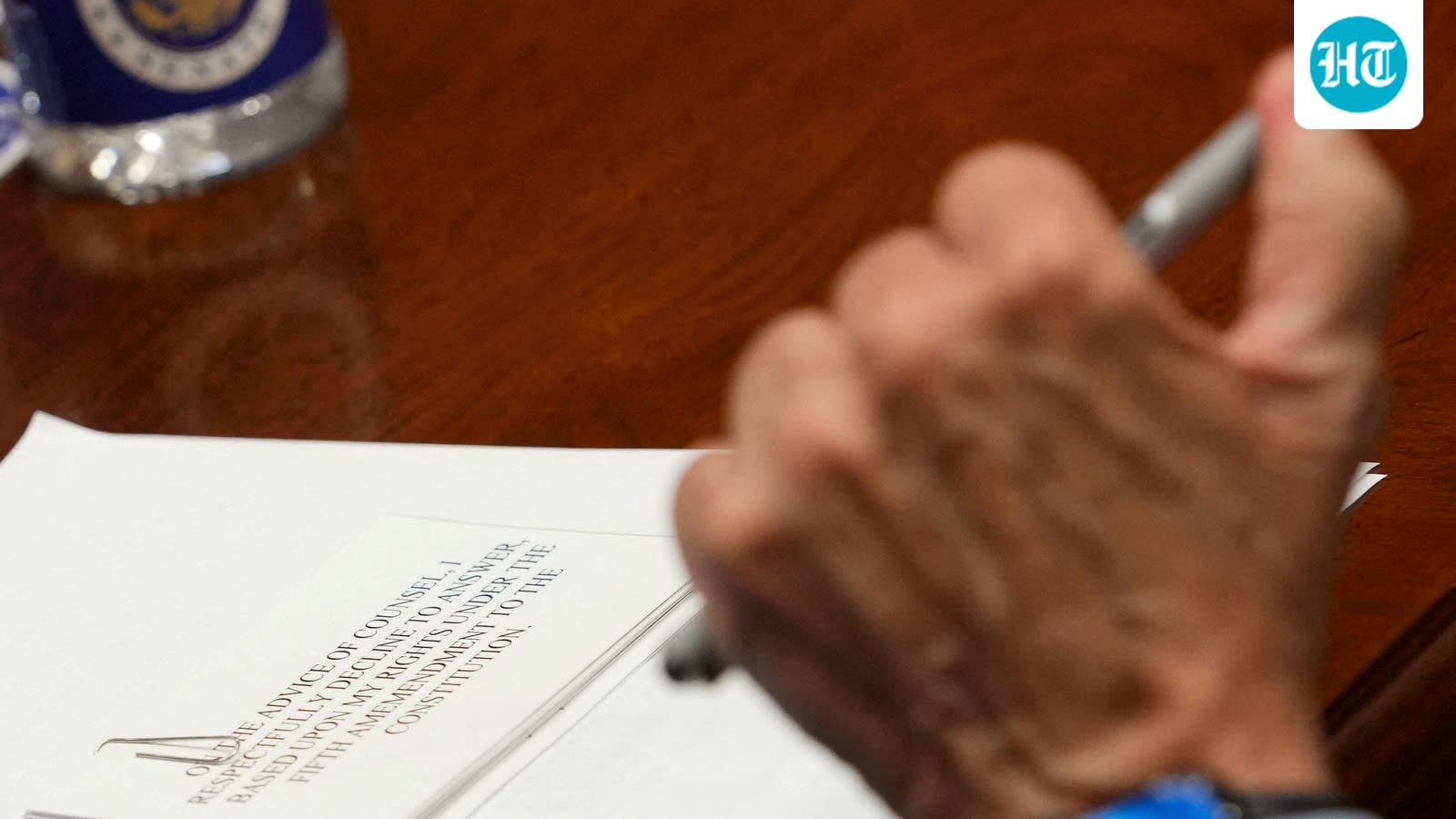
Dr. Anthony Fauci invoked his Fifth Amendment right during a contentious Senate hearing led by Senator Rand Paul regarding COVID-19 origins. The proceedings were marked by significant friction, including the removal of Fauci's attorney, David Schertler, from the chamber.
The Constitutional Standoff: Fauci’s Senate Testimony
On July 29, 2026, former National Institute of Allergy and Infectious Diseases (NIAID) Director Dr. Anthony Fauci appeared before the Senate Homeland Security and Governmental Affairs Committee in a high-stakes hearing that has reignited national debate. The session, chaired by Senator Rand Paul, centered on the federal government’s handling of the COVID-19 pandemic and the long-standing questions surrounding the origins of the virus. Rather than engaging in the expected technical discourse, Dr. Fauci invoked his Fifth Amendment right against self-incrimination, a move that significantly altered the trajectory of the inquiry.
Legal Strategy and Political Friction
Dr. Fauci’s decision to invoke the Fifth Amendment was explicitly framed by his legal counsel as a protective measure. In his opening statement, the 85-year-old former advisor noted that he believed the hearing was designed to facilitate his prosecution rather than to serve as a fact-finding mission. By invoking this constitutional privilege, Fauci effectively shut down lines of questioning regarding his tenure as Chief Medical Advisor to President Joe Biden, signaling a shift from public health advocacy to a defensive legal posture.
The Role of Senator Rand Paul
Senator Rand Paul, a long-standing critic of Dr. Fauci, utilized the hearing to press for accountability regarding government-funded virus research. The relationship between the two has been defined by years of public acrimony, and this hearing served as a boiling point. The tension reached an administrative peak when Senator Paul ordered the removal of Dr. Fauci’s attorney, David Schertler, from the proceedings. Paul accused Schertler of disrupting the committee’s order, a move that underscored the volatile atmosphere of the hearing.
Broader Implications for Oversight
The spectacle of a former high-ranking health official invoking the Fifth Amendment before Congress carries profound implications for federal oversight. It highlights the deepening divide between scientific institutions and legislative bodies, particularly when those institutions become subjects of intense partisan scrutiny. The invocation of constitutional protections at this level suggests that the political battle over COVID-19 origins has transitioned into a formal legal conflict, moving beyond mere policy disagreements into the realm of potential criminal liability.
Historical Context and Future Trends
Historically, hearings involving figures of Dr. Fauci’s stature rarely result in the immediate resolution of complex scientific or political questions. Instead, they often serve to calcify existing partisan narratives. As the investigation continues, we can expect future trends to involve protracted legal battles over documentation and testimony. The refusal to answer questions not only limits the committee's ability to uncover new information but also ensures that the controversy surrounding the origins of the pandemic will remain a central fixture in American political discourse for the foreseeable future.
Conclusion
The July 29 hearing stands as a pivotal moment in the post-pandemic era. By choosing to exercise his Fifth Amendment rights, Dr. Fauci has fundamentally shifted the nature of the Senate’s investigation. The subsequent removal of his counsel and the heated exchanges with Senator Paul illustrate a breakdown in legislative decorum that will likely influence how future oversight committees interact with high-profile government witnesses, ensuring that the legacy of the COVID-19 response remains a source of intense national contention.
Multiple Citing Sources
Verification Required?