Anthony Fauci refuses to answer questions during US Senate hearing about Covid origins
Source Entity
BBC News
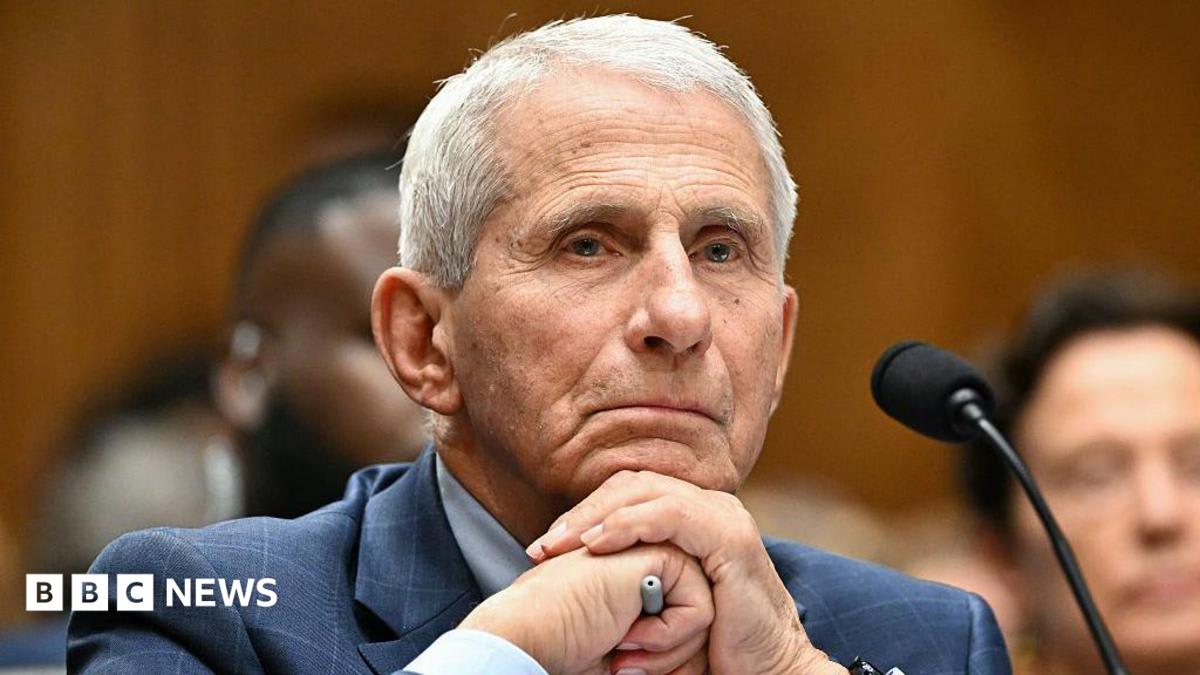
Former NIH official Dr. Anthony Fauci invoked the Fifth Amendment during a Senate hearing chaired by Senator Rand Paul. The move, centered on the origins of COVID-19, has escalated political tensions regarding federal research oversight.
The Constitutional Standoff: Fauci Invokes the Fifth
In a dramatic development on Capitol Hill, former National Institute of Allergy and Infectious Diseases (NIAID) Director Dr. Anthony Fauci invoked his Fifth Amendment right against self-incrimination during a Senate hearing. Chaired by Senator Rand Paul, the Senate Homeland Security and Governmental Affairs Committee convened to probe the origins of the COVID-19 pandemic and the nature of federal funding for virus research. This legal maneuver marks a significant escalation in the long-standing, adversarial relationship between the former health official and his legislative critics.
The Legal and Political Context
The Fifth Amendment, which protects individuals from being compelled to testify against themselves in criminal proceedings, serves as the cornerstone of Dr. Fauci’s recent refusal to answer questions. According to his opening statement, this decision was made on the advice of legal counsel, who characterized the hearing not as a fact-finding mission, but as a calculated effort to pursue criminal prosecution. By invoking this constitutional protection, Fauci has effectively signaled that he perceives the current legislative inquiry as a legal threat rather than a standard oversight procedure.
The Role of Senator Rand Paul
Senator Rand Paul has long been Dr. Fauci’s most vocal opponent in the Senate, frequently questioning the transparency of NIAID-funded research. The tension reached a boiling point just days before the hearing, when Senator Paul released private diary entries written by Fauci. These writings, which reportedly included personal musings on his public fame and the early days of the pandemic, were cited by Fauci as a primary justification for his silence. He argued that the release of these personal documents demonstrated an "unhinged" campaign aimed at tarnishing his reputation and securing his prosecution.
Implications for Federal Oversight
This hearing underscores a growing rift between executive branch officials and congressional oversight committees regarding the management of the COVID-19 pandemic. The conflict highlights the difficulty of reconciling public accountability with the legal protections afforded to individuals in the face of potential criminal scrutiny. As the committee seeks to uncover details regarding the origins of the coronavirus, the use of the Fifth Amendment creates a procedural impasse that prevents the legislature from extracting testimony from a key central figure in the federal response.
Future Trends in Pandemic Inquiry
The invocation of the Fifth Amendment is likely to fuel further political polarization. Supporters of Senator Paul view the silence as an admission of potential wrongdoing, while defenders of Dr. Fauci argue that the hearing is a politically motivated witch hunt designed to scapegoat a career scientist. Looking forward, this event is expected to intensify the debate over how the government conducts oversight of scientific agencies and how future pandemic research funding will be scrutinized by legislative bodies. The precedent set by this standoff may influence how current and former officials interact with congressional committees for years to come.
Multiple Citing Sources