The FCC is planning to retroactively ban disguised DJI gadgets
Source Entity
Sean Hollister
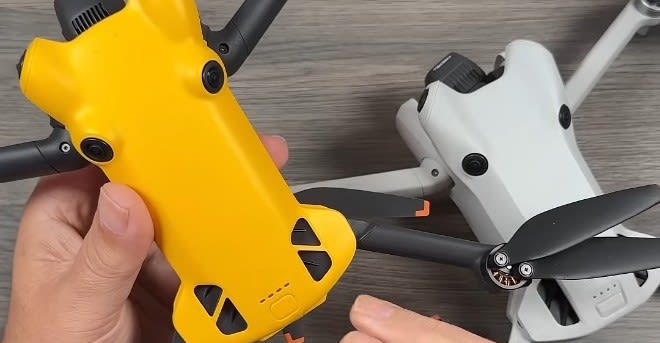
The FCC is preparing to use its new authority to retroactively ban gadgets from companies acting as fronts for DJI. This move aims to enforce existing drone bans that some manufacturers have attempted to circumvent.
The FCC’s Regulatory Shift: Targeting DJI Front Companies
The Federal Communications Commission (FCC) is poised to exercise a significant and relatively new regulatory power: the ability to retroactively revoke equipment authorization for gadgets already approved for sale in the United States. This action marks a pivotal shift in how the commission manages technological imports, specifically targeting entities suspected of acting as "front companies" for the Chinese drone manufacturer DJI. By leveraging this authority, the FCC seeks to close loopholes that have allowed restricted technology to bypass national security-focused trade bans.
Understanding the Retroactive Ban Power
Last October, the FCC codified its ability to invalidate previous equipment authorizations. Historically, once a device received an FCC certificate of compliance, it was considered cleared for the domestic market. However, evolving geopolitical tensions and concerns regarding data security have prompted the commission to adopt a more proactive, enforcement-heavy stance. This power is designed to ensure that regulatory compliance is not a static "one-and-done" event but a continuous status that can be revoked if a company is found to be operating in bad faith or violating existing trade prohibitions.
The Mechanics of Circumvention
The core of this issue lies in the identification of "front companies" that attempt to rebrand or distribute DJI-affiliated technology under different corporate guises. The context highlights instances such as the Xtra version of the DJI Osmo Pocket 3, which managed to secure FCC approval before the implementation of broader drone-related restrictions. By utilizing these subsidiaries or front operations, restricted manufacturers attempt to maintain a footprint in the U.S. consumer market, effectively neutralizing the intent behind the original bans.
Implications for Retail and Consumer Markets
The potential fallout of these retroactive bans extends beyond the manufacturers themselves, impacting major e-commerce platforms like Amazon that facilitate the distribution of these items. When the FCC pulls authorization for a product, it effectively renders the sale of that item illegal, forcing retailers to halt inventory movement immediately. This creates a complex logistical and legal landscape for distributors who may have legally imported products under previous FCC guidelines, only to have the regulatory rug pulled from underneath them.
Future Trends in Tech Regulation
This move by the FCC signals a broader trend toward aggressive regulatory oversight in the technology sector, particularly concerning hardware originating from nations flagged for national security concerns. We can expect the commission to continue refining its "blacklist" mechanisms, likely moving toward more frequent audits of supply chains and corporate affiliations. As these regulations tighten, manufacturers and importers will face increased scrutiny, necessitating a higher degree of transparency regarding the origins and ownership structures of their hardware.
Concluding Summary
The FCC’s decision to target DJI-linked front companies represents a significant evolution in U.S. trade enforcement. By asserting the power to retroactively ban approved devices, the commission is sending a clear message that circumventing national security directives will no longer be tolerated. Moving forward, the industry must prepare for a landscape where regulatory approval is conditional and subject to ongoing review, directly impacting the availability of foreign-produced consumer electronics.