Flock Credibility Lost as It Repeatedly Lies to City Councils, Police, & Public
Source Entity
Hacker News
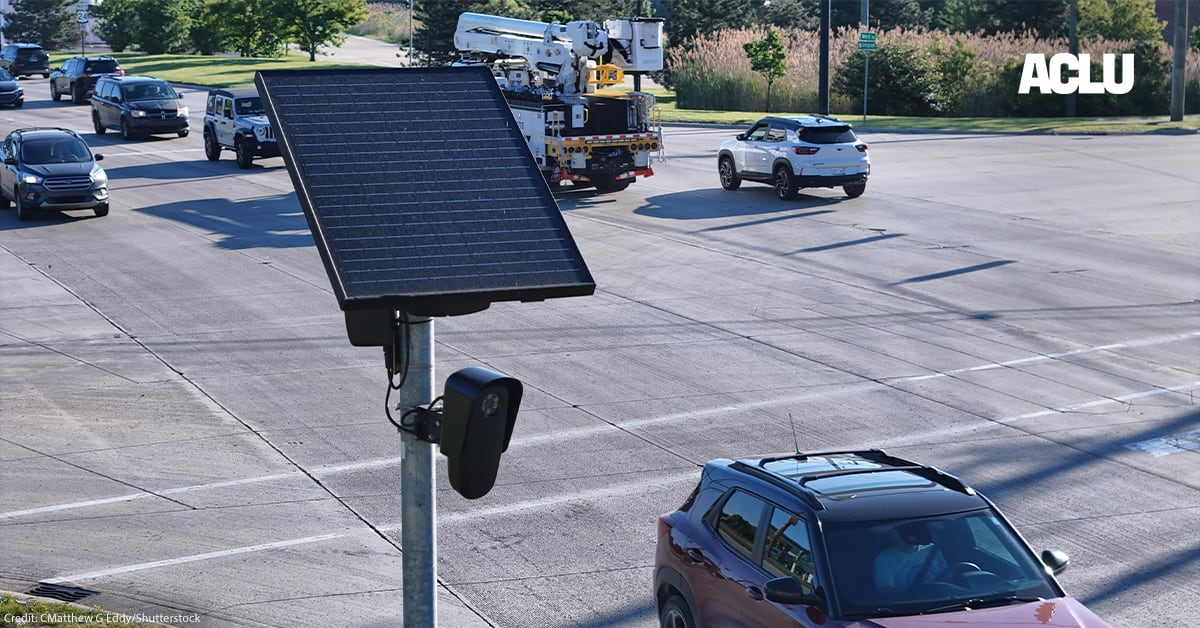
The ACLU has accused Flock Safety of providing false information to city councils and law enforcement regarding the surveillance capabilities of its license plate readers. The report highlights concerns over data transparency and the potential for deceptive practices in government-contracted surveillance technologies.
The Transparency Crisis in Surveillance Technology
Recent documentation released by the American Civil Liberties Union (ACLU) has brought the operational integrity of Flock Safety, a leading provider of automated license plate reader (ALPR) technology, into sharp focus. The organization alleges that the company has repeatedly misled city councils, police departments, and the general public regarding the scope of its data collection and processing capabilities. This revelation poses significant questions about the nature of public-private partnerships in the surveillance sector and the ethical standards required of firms entrusted with sensitive citizen data.
The Oshkosh Incident: A Case Study in Deception
The controversy gained momentum during an April city council meeting in Oshkosh, Wisconsin. As the city weighed the merits of entering into a contract with Flock Safety, a council member specifically inquired whether the system generated "heat maps" capable of tracking a vehicle’s historical movements. Despite the technical reality of how such data analytics platforms operate, the company’s chief information security officer reportedly denied that the system created patterns or heat maps of individual vehicle journeys. This interaction serves as a focal point for the ACLU’s broader critique of how the company presents its technology to local government entities.
Broader Implications for Municipal Governance
When technology providers misrepresent their capabilities to local governments, it undermines the democratic process of procurement and public oversight. City councils often rely on the technical expertise of vendors to make informed decisions about privacy, civil liberties, and the necessity of surveillance tools. If a company provides inaccurate information, it effectively strips elected officials of their ability to perform due diligence. This breakdown in the information chain can lead to the adoption of invasive technologies without the public’s informed consent or a proper understanding of the potential for mission creep.
The Role of ALPRs in Modern Policing
Automated license plate readers have become a staple in modern policing, designed to identify stolen vehicles or individuals with active warrants. However, the efficacy and reach of these systems have long been debated by civil rights advocates. The transition from simple plate identification to sophisticated movement tracking represents a significant leap in surveillance depth. By allegedly downplaying these advanced analytical features, companies like Flock Safety may be circumventing the rigorous public debate that should accompany the deployment of such invasive monitoring tools.
Assessing Future Trends in Surveillance Accountability
The ACLU’s report acts as a warning for other municipalities currently engaging with or considering contracts with Flock Safety. As technology continues to outpace legislative frameworks, the burden of accountability currently rests on the transparency of the vendor. Moving forward, it is likely that city councils will demand more robust technical audits and third-party verification of system capabilities before signing off on surveillance contracts. This shift will be essential to restoring public trust and ensuring that municipal technology remains aligned with local privacy standards.
Conclusion: A Call for Rigorous Oversight
The integrity of government surveillance programs depends entirely on the veracity of the information provided by private contractors. The allegations leveled against Flock Safety necessitate a re-evaluation of how cities vet their technology partners. As municipalities grapple with the balance between public safety and individual privacy, transparency must remain the cornerstone of any agreement involving the mass collection of citizen data.