A Koi Pond Mosaic Made from 10 Pounds of 3D Printer Waste
Source Entity
Hacker News
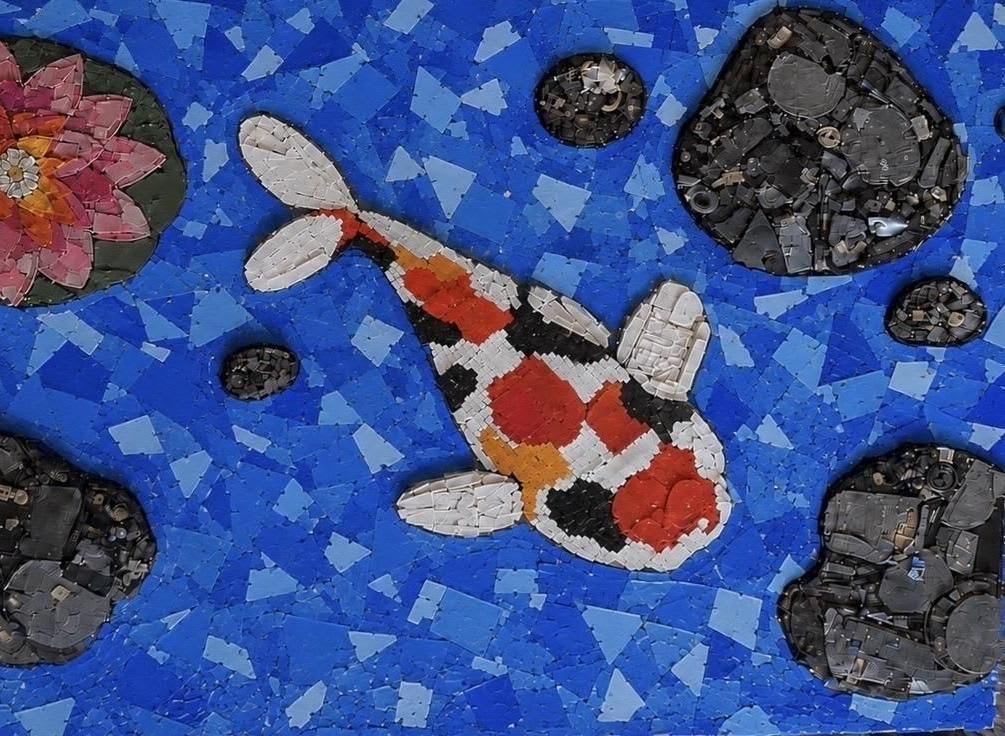
A unique art project has successfully repurposed 10 pounds of 3D printer waste to create a detailed koi pond mosaic. This initiative highlights the growing potential for sustainable material management in additive manufacturing.
The Intersection of Sustainability and Additive Manufacturing
The emergence of a koi pond mosaic constructed entirely from 10 pounds of 3D printer waste serves as a compelling case study in circular economy practices within the maker community. As 3D printing technology becomes increasingly accessible, the accumulation of discarded PLA, PETG, and other thermoplastic scraps has become a significant environmental concern. By transforming this industrial byproduct into an artistic installation, creators are demonstrating that waste streams can be diverted from landfills and repurposed into aesthetically valuable objects.
Challenges in Material Recovery
3D printing waste is notoriously difficult to manage because it often consists of failed prints, support structures, and calibration tests made from disparate materials. The process of aggregating 10 pounds of such waste requires significant effort in sorting and material identification. This specific project underscores the necessity for better recycling infrastructure within the hobbyist and industrial sectors, where material contamination often prevents traditional recycling centers from processing 3D printer filaments.
The Artistic Value of Repurposed Plastics
Beyond the environmental impact, the use of printer waste in art challenges the perception of synthetic materials. The koi pond motif, traditionally associated with nature and tranquility, creates a sharp juxtaposition when constructed from the rigid, artificial remnants of digital manufacturing. This artistic choice forces viewers to reconsider the life cycle of the plastic components that surround them, suggesting that 'waste' is often simply a resource waiting for a creative application.
Broader Implications for Industry
While a 10-pound project is modest in scale, it reflects a broader trend of 'distributed recycling.' If individual creators can integrate waste reduction into their workflows, the aggregate impact on the additive manufacturing industry could be substantial. This project acts as a blueprint for small-scale circularity, encouraging users to view their failed prints as raw materials for future artistic or functional endeavors.
Future Trends in Sustainable Printing
Looking forward, the growth of the additive manufacturing sector will likely depend on the development of more sustainable filaments and better home-recycling technologies, such as desktop plastic extruders. The success of this mosaic suggests that as awareness of plastic pollution grows, there will be a continued push toward 'zero-waste' printing environments. Projects like this serve as essential cultural markers that advocate for responsible consumption and creative ingenuity in the face of industrial progress.