Firefighting drones in the works as wildfires plague US nearly year-round
Source Entity
Jeremy Hsu
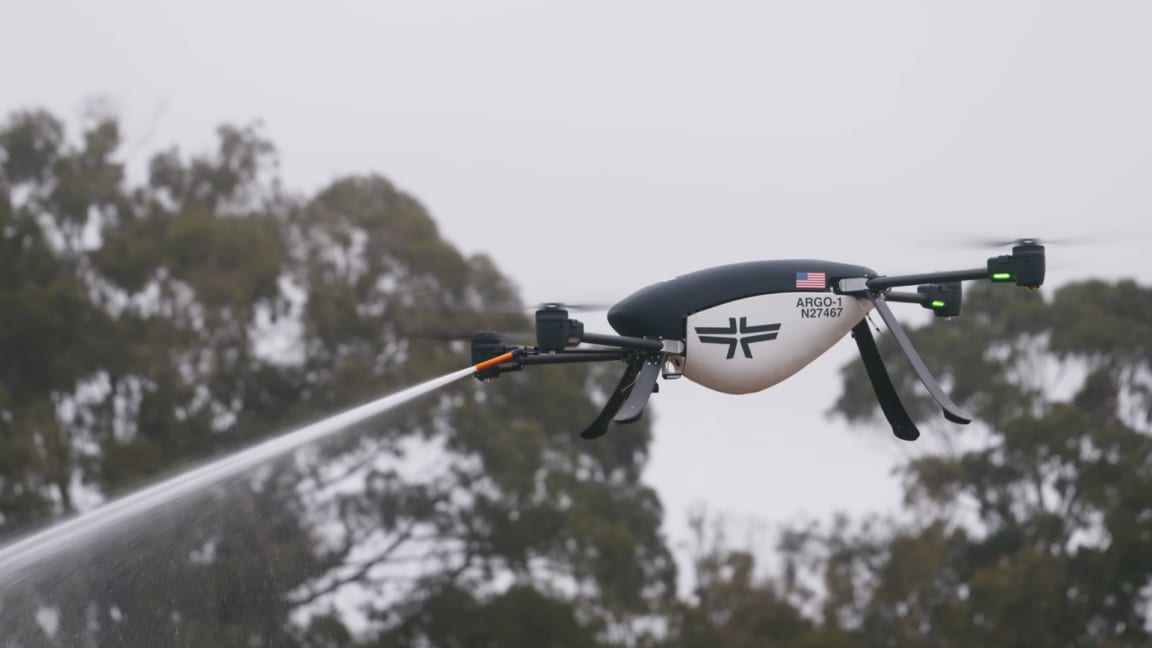
Drones are being tested in California and Alaska as a rapid-response tool to suppress wildfires in their early stages. While they cannot replace large airtankers, these autonomous systems aim to mitigate the growing threat of year-round fire seasons.
The Rise of Autonomous Wildfire Suppression
As climate change continues to expand the wildfire season into a near year-round phenomenon across the United States, traditional firefighting methods are being pushed to their limits. The emergence of firefighting drones, currently undergoing rigorous testing in California and Alaska, represents a strategic shift toward rapid-response technology. By targeting small fires before they escalate into uncontrollable conflagrations, these systems aim to provide a critical first line of defense that complements existing human-led efforts.
The Mechanics of Rapid Response
Unlike traditional crewed aircraft, which are designed for the massive dispersal of water and fire retardants, drones offer a unique advantage in agility and speed. The ongoing testing, supported by the $11 million XPRIZE competition, explores how these autonomous units can be deployed to remote or difficult-to-reach locations. By identifying and suppressing ignition points in their infancy, these drones could potentially prevent the catastrophic forest fires that have historically devastated vast swathes of land.
Limitations and Capabilities
It is essential to recognize that drones are not intended to replace the heavy-duty airtankers that define large-scale firefighting operations. Their smaller form factor and shorter flight ranges inherently limit their payload capacity. However, their value lies in their ability to act as a force multiplier. By handling smaller, high-risk fires, drones allow human crews and large aircraft to focus their resources on larger, more complex challenges, thereby optimizing the overall efficiency of fire management agencies.
Integrating Technology into Fire Management
The integration of drone technology into official fire agencies is a complex process involving regulatory hurdles and technical refinement. The current trials in California provide a controlled environment to assess the efficacy of these systems under real-world conditions. As companies continue to iterate on these designs, the focus remains on reliability, navigation in smoke-filled environments, and the ability to operate effectively alongside existing aerial firefighting assets.
Future Trends in Wildfire Mitigation
Looking ahead, the successful implementation of drone-based suppression could fundamentally alter the landscape of wildfire management. As the climate continues to pose a persistent threat, the ability to automate the early detection and extinguishment of fires will likely become a standard component of national emergency response protocols. The ongoing XPRIZE competition serves as a catalyst for this innovation, pushing the boundaries of what autonomous systems can achieve in high-stakes environments.
Conclusion
While drone technology is still in the developmental and testing phase, its potential to mitigate the impact of wildfires is significant. By bridging the gap between detection and rapid intervention, these tools offer a promising solution to the increasing frequency and severity of fires. As testing continues in California and Alaska, the data gathered will be instrumental in shaping the future of disaster response in an era defined by climate instability.