Father from Botswana, mother from India: 5 cheetah cubs at Kuno usher in new lineage
Source Entity
Anand Mohan J
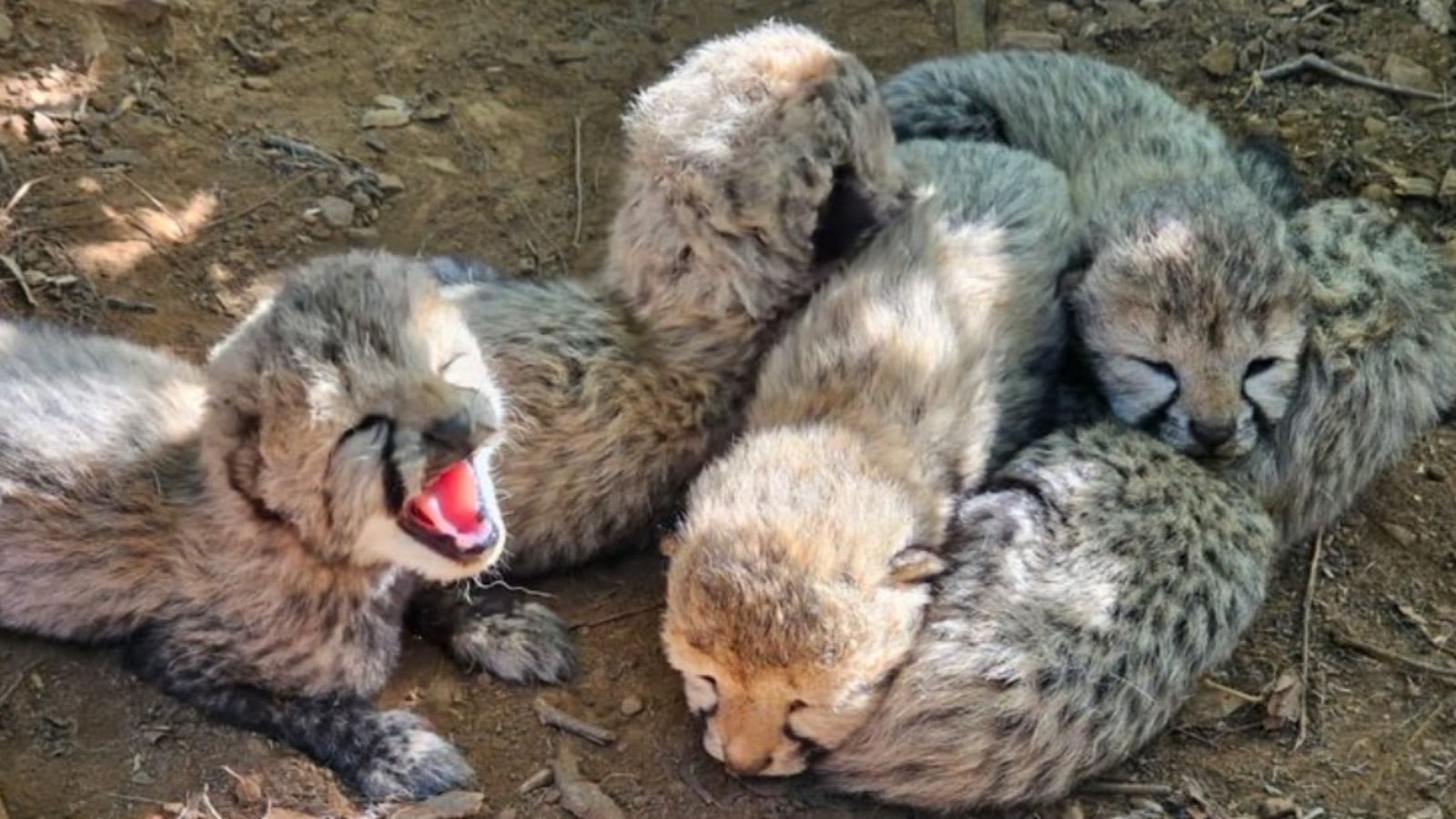
Kuno National Park has welcomed five new cheetah cubs born to an Indian-born mother and a Botswana-born father. This event marks the start of a new lineage and increases India's total cheetah population to 60.
A New Milestone for Project Cheetah
The conservation landscape in India reached a significant turning point this week with the arrival of five healthy cheetah cubs at Kuno National Park in Madhya Pradesh. This event, confirmed by Union Environment, Forest and Climate Change Minister Bhupender Yadav, serves as a testament to the ongoing success of the ambitious cheetah reintroduction program. The mother, a 32-month-old female named KJP21, is herself an Indian-born cheetah, representing the growing success of the country’s captive breeding and wildlife management efforts.
The Significance of the Botswana Lineage
What distinguishes this litter from previous births is the genetic heritage of the father. Sired by a male cheetah imported from Botswana, these five cubs are the first in the country to represent the Botswana lineage born on Indian soil. This cross-lineage development is crucial for the long-term genetic health and diversity of the cheetah population, ensuring that the reintroduced species is robust enough to adapt to the Indian ecosystem over successive generations.
Expanding the Population Dynamics
With these new additions, the total cheetah population in India has climbed to 60, with 41 of those individuals born within the country. KJP21 holds the distinction of being the third Indian-born female to successfully give birth, following in the footsteps of previous mothers Mukhi and KGP12. This pattern of successful reproduction among Indian-born females suggests that the environmental conditions at Kuno are effectively supporting the biological requirements of the species.
The Evolution of Project Cheetah
Project Cheetah has faced significant scrutiny and logistical challenges since its inception, particularly regarding the adaptation of African cheetahs to the Indian climate and the management of their health. The fact that the population is now majority Indian-born (41 out of 60) indicates a shift from initial translocation efforts toward a self-sustaining population model. This transition is essential for the long-term viability of the project.
Future Implications for Wildlife Conservation
As India continues to refine its conservation strategies, the success of KJP21 serves as a metric for the efficacy of the habitat management at Kuno National Park. Future trends will likely focus on monitoring the survival rates of these cubs and observing how the Botswanan genetic markers influence their physical and behavioral traits. The integration of international lineages into the domestic population is a standard practice in conservation biology to prevent inbreeding and enhance resilience.
Conclusion
The birth of these five cubs is more than just a population statistic; it is a symbol of hope for wildlife restoration efforts in India. By successfully bridging the gap between imported genetic stock and domestic births, the Kuno National Park team has moved the project into a new, more mature phase. Continued vigilance and careful monitoring of these newborns will be essential to ensure they reach adulthood, further cementing the success of the cheetah reintroduction program.