Where did the stars go? How India's cities are dimming the twinkle in our skies
Source Entity
SUBHADRA SRIVASTAVA
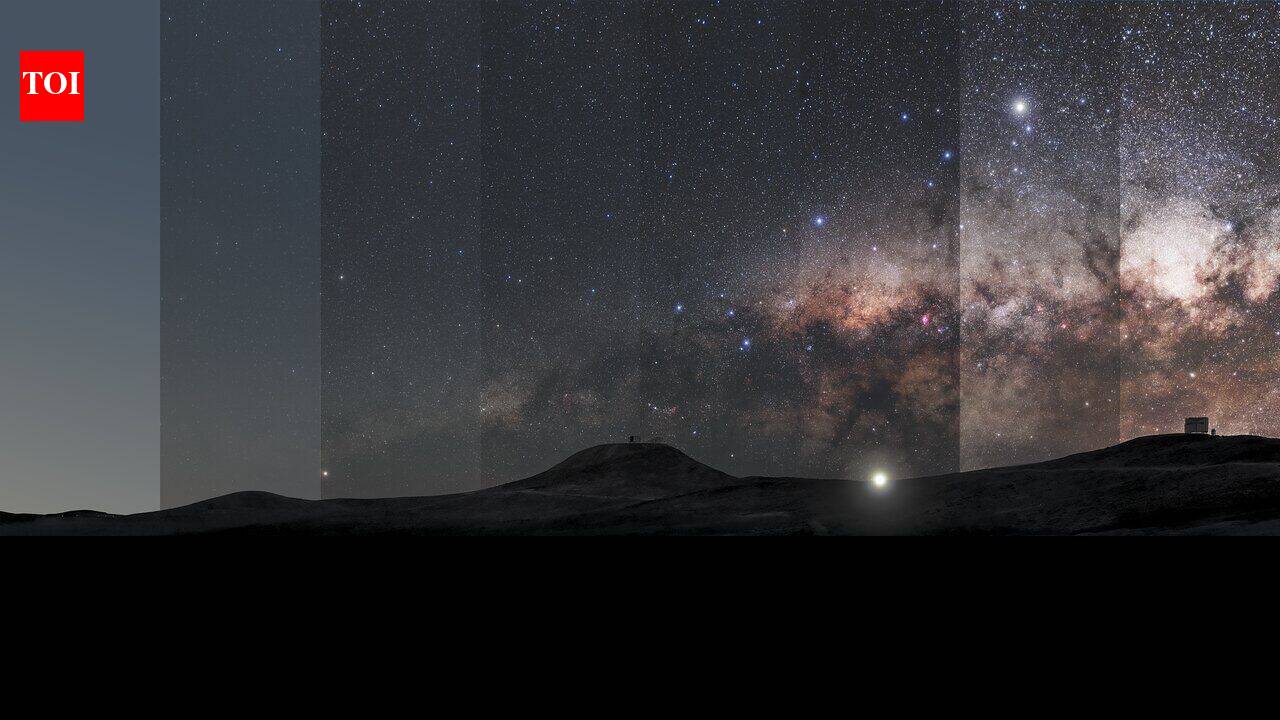
India's rapid urbanization is causing severe light pollution, obscuring the night sky for millions. This environmental shift threatens astronomical research and necessitates a new focus on dark-sky preservation.
The Vanishing Night: India’s Light Pollution Crisis
For generations, the night sky served as a constant companion to humanity, a canvas of celestial wonder. However, a silent transformation is occurring across India’s urban landscapes: the stars are fading. While the stars remain physically present in the cosmos, the pervasive glow of artificial light—often referred to as skyglow—has created a veil that renders the heavens invisible to the naked eye. This phenomenon is not merely an aesthetic loss; it represents a fundamental shift in our environmental interaction with the night.
The Mechanics of Light Pollution
At its core, the issue stems from the inefficient and excessive use of artificial lighting. As cities like Delhi and Mumbai expand, their cumulative light output spills upward, scattering in the atmosphere and creating a dome of brightness that drowns out the faint light of distant stars. The European Southern Observatory has highlighted how this light pollution fundamentally alters our dark skies, effectively erasing the celestial backdrop that has guided navigation, culture, and science for millennia.
Quantifying the Darkness
To understand the severity of this issue, astronomers utilize the Bortle dark-sky scale, a nine-level numeric index that evaluates the quality of the night sky. In many of India’s metropolitan hubs, we are witnessing a transition toward the higher end of this scale, where the sky is permanently washed out by urban glare. Data suggests that the actual impact of this global warming of the night sky is far more profound than what current satellite imagery captures, indicating that we are underestimating the rate at which we are losing our view of the universe.
Urbanization and the Loss of Heritage
Urbanization is the primary driver of this trend. As India undergoes rapid development, the infrastructure of the 'then'—characterized by limited, purposeful lighting—has been replaced by the 'now,' marked by constant, widespread illumination. This shift has turned the night sky into a resource that is rapidly becoming endangered. The contrast between the pristine, high-altitude skies at the Indian Astronomical Observatory in Hanle and the light-drenched skies of our major cities serves as a stark reminder of the disparity between protected scientific sites and our everyday living environments.
Beyond Astronomy: The Broader Implications
While the loss of the stars is a tragedy for amateur and professional astronomers alike, the implications of light pollution extend into ecological and biological realms. Disrupting the natural cycle of light and dark affects wildlife behavior, migration patterns, and even human circadian rhythms. By treating the night as an extension of the day, we are inadvertently compromising the biological integrity of our environment. The growing discourse around protecting India’s dark skies is a necessary step toward acknowledging that the night is an ecosystem that requires conservation.
A Path Toward Preservation
Moving forward, the challenge lies in balancing necessary urban development with the preservation of the night. This requires a shift in how we design our cities, focusing on shielded lighting and reduced intensity to minimize spillover. Protecting the remaining dark skies is not just about astronomy; it is about reclaiming a piece of our natural heritage. As we look to the future, the goal must be to ensure that the stars are once again visible to future generations, rather than relegated to the memory of the past.