Flávio Bolsonaro rumoured to have fled Brazil after presidential election loss
Source Entity
Tiago Rogero in Brasília
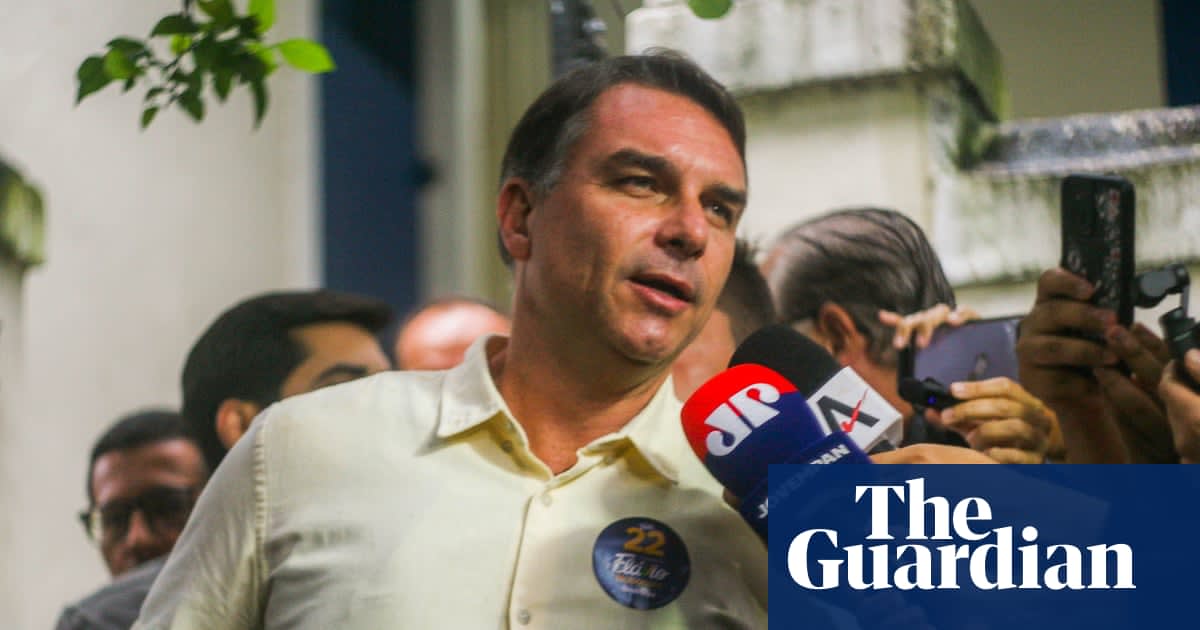
Brazilian Senator Flávio Bolsonaro has fled to Miami following his presidential election defeat to Luiz Inácio Lula da Silva. His departure occurred after he failed to surrender his passport for a money-laundering investigation, prompting Brazilian authorities to cancel his travel documents.
The Departure of Flávio Bolsonaro: A Political and Legal Crisis
A Departure Under Duress
The recent flight of Brazilian Senator Flávio Bolsonaro to Miami, Florida, marks a significant escalation in the ongoing political instability surrounding the Bolsonaro family. Following his defeat in the presidential election to Luiz Inácio Lula da Silva—who secured over 64 million votes—Flávio’s exit has drawn intense public and legal scrutiny. His departure follows a period of intense speculation regarding his whereabouts, exacerbated by his failure to comply with a Supreme Court order to surrender his passports within a 24-hour window.
Legal Implications and Passport Cancellation
The core of this controversy lies in an ongoing criminal investigation into money-laundering allegations against the Senator. By missing the court-mandated deadline to hand over his travel documents, Flávio triggered an immediate response from Brazilian authorities, who subsequently cancelled his passports. This administrative action complicates his legal standing, as he has consistently denied any wrongdoing while simultaneously positioning himself as a victim of a judicial overreach.
Echoes of the Past: The Bolsonaro Precedent
Observers have been quick to draw parallels between Flávio’s current situation and the actions of his father, former president Jair Bolsonaro. Following his own loss to Lula in 2022, the elder Bolsonaro famously traveled to the United States while refusing to formally concede. Given that Jair Bolsonaro was eventually sentenced to 27 years in prison, the current narrative suggests a pattern of utilizing international travel to evade domestic legal pressures, creating a complex diplomatic situation for both Brazilian and US authorities.
Political Resistance and Election Disputes
Despite the clear electoral outcome—where Lula won by a margin of nearly 4.4 million votes—Flávio Bolsonaro has yet to formally concede. Instead, he has signaled an intention to challenge the election results, citing alleged voter irregularities. This stance is bolstered by a degree of support from his Liberal Party, although the party leadership has already acknowledged Lula’s victory. This disconnect between the Senator’s rhetoric and the party’s official position highlights the deep fragmentation within Brazil’s right-wing political landscape.
Broader Implications for Brazilian Democracy
The rhetoric surrounding this event, particularly President-elect Lula’s assertion that "those who have nothing to hide have nothing to fear," underscores the profound polarization defining the nation. As Brazil prepares for the transition of power on January 5, 2027, the flight of a prominent opposition leader to the United States serves as a flashpoint for debates regarding the rule of law, the integrity of the electoral process, and the accountability of political elites in the face of criminal investigations.
Conclusion and Future Outlook
As Flávio Bolsonaro remains in the United States, the international community watches to see how the Brazilian judiciary will pursue the investigation. Whether this leads to extradition requests or further diplomatic friction between Brasilia and Washington remains to be seen. What is certain is that this event has solidified the divide in Brazilian politics, ensuring that the legacy of the Bolsonaro administration will continue to be contested long after the presidential inauguration.
Multiple Citing Sources