Neil Young sues Trump committee for $10M for playing 'Rockin' in the Free World' at rally
Source Entity
US Top News and Analysis
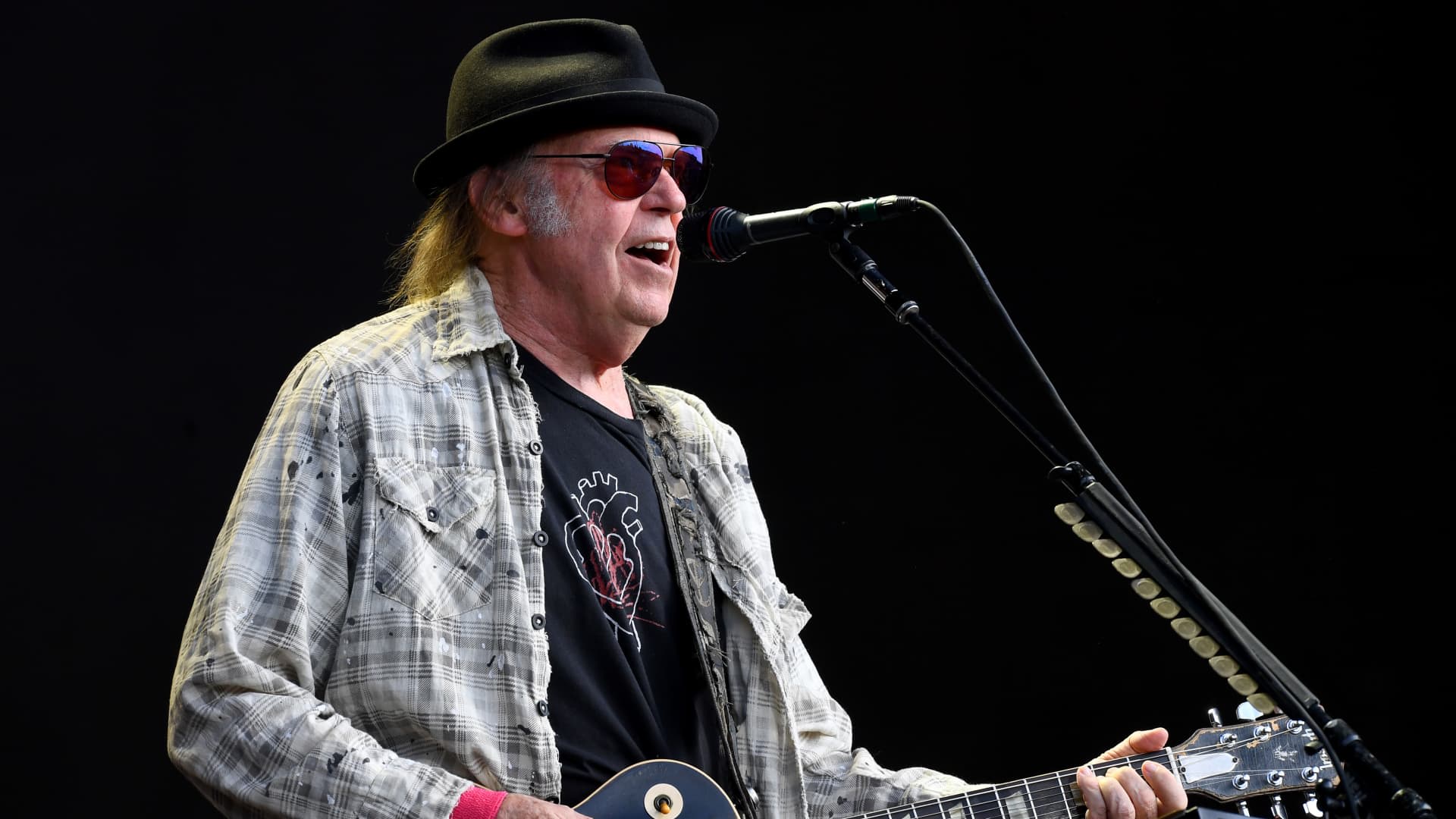
Legendary musician Neil Young has filed a $10 million lawsuit against the Trump 47 Committee for the unauthorized use of his 1989 hit 'Rockin' in the Free World' at a campaign rally. This legal action follows a history of copyright disputes between the artist and the Trump campaign, which previously settled a similar claim in 2020.
Legal Confrontation Over Artistic Integrity
Legendary musician Neil Young has initiated a significant legal challenge against the Trump 47 Committee, filing a $10 million lawsuit in U.S. District Court in Richmond, Virginia. The core of the dispute centers on the unauthorized use of Young’s iconic 1989 anthem, "Rockin' in the Free World," which was played during a political rally in Youngstown, Ohio, on October 12. For Young, a two-time Rock and Roll Hall of Fame inductee, the usage is not merely a licensing oversight but a fundamental clash of values, with the musician asserting that the song represents the antithesis of the political platform championed by Donald J. Trump.
The Anatomy of the Copyright Claim
The lawsuit alleges that the Trump 47 Committee knowingly engaged in copyright infringement by utilizing the track without securing the necessary performance licenses. According to the court filings, the committee’s actions were not isolated to the Youngstown event; the suit claims the song has been played "numerous times" at various rallies intended to bolster Republican support in mid-term elections. The legal complaint further posits that the former president was personally aware that a license was required, framing the continued use of the music as a willful violation of intellectual property rights.
Historical Context of the Dispute
This litigation marks a recurring theme in the relationship between the artist and the campaign. In 2020, Neil Young sued the Trump re-election campaign for the unauthorized use of both "Rockin' in the Free World" and "Devil's Sidewalk." While that specific matter was resolved through a settlement, the current lawsuit suggests that the underlying issues regarding campaign music rights remain unresolved. This pattern underscores a broader tension in American politics where artists frequently attempt to distance their creative works from political figures whose ideologies they fundamentally oppose.
Broader Implications for Campaign Music
The case highlights the ongoing friction between political campaigns and the music industry regarding the "public performance" of copyrighted material. While campaigns often rely on venue-based blanket licenses, artists like Young argue that these do not grant blanket permission for political association. By seeking $10 million in damages, Young is attempting to establish a significant financial deterrent against future unauthorized use, signaling to political organizations that intellectual property protections remain enforceable regardless of the political context.
Conclusion and Future Trends
As the legal proceedings in Virginia unfold, the case will likely serve as a bellwether for how intellectual property law interacts with the high-stakes environment of political campaigning. If the court finds in favor of Young, it could force a shift in how campaign committees procure music for events, requiring more rigorous vetting of song choices to avoid costly litigation. Ultimately, this battle reflects a growing trend where prominent musicians are increasingly protective of their public brand and the political messages their art is used to amplify.