Florida approves $20.15m easement protecting 219-acre ranch from development
Source Entity
TOI LIFESTYLE DESK
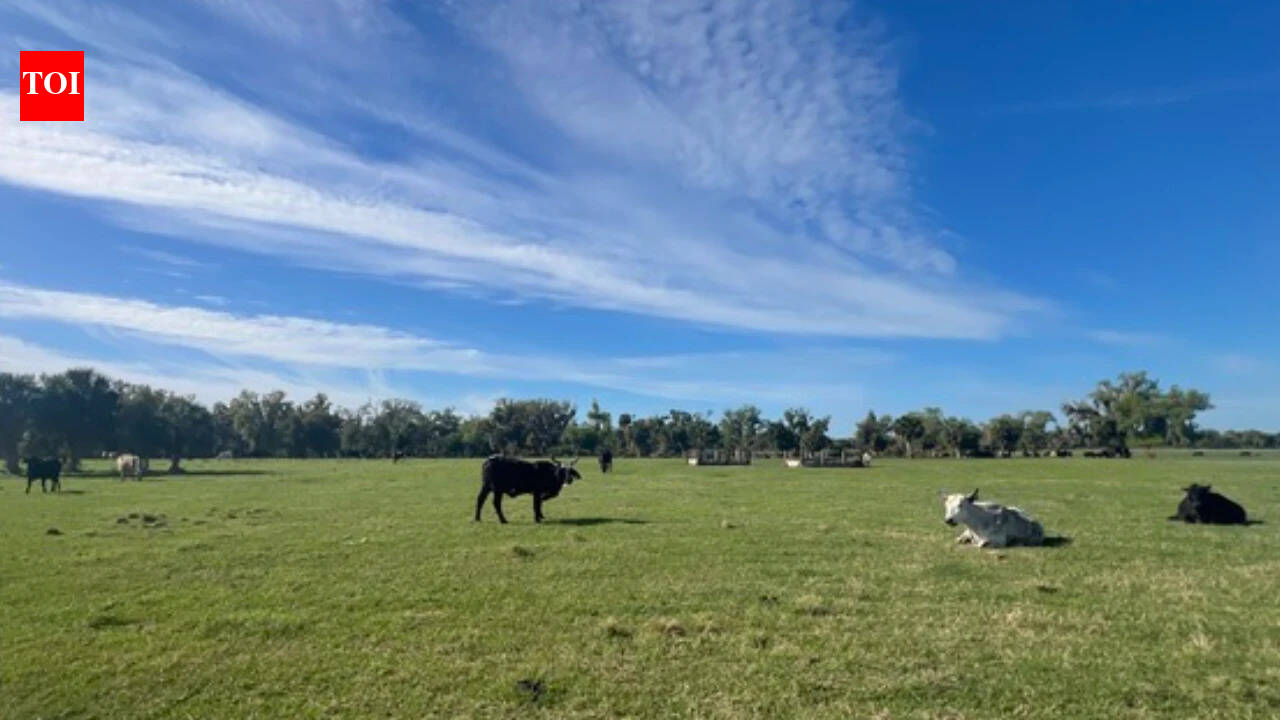
Florida has secured a $20.15 million conservation easement to protect a 219-acre cattle ranch from urban development. This initiative, supported by state agricultural programs, aims to balance land conservation with the state's rapid population growth.
Florida Bolsters Land Conservation with $20.15M Easement
Florida’s ongoing struggle to balance rapid urban sprawl with the preservation of its natural and agricultural heritage has reached a new milestone. The state has recently finalized a $20.15 million conservation easement, effectively shielding a 219-acre cattle ranch from future real estate development. This strategic move is not an isolated incident but a critical component of a broader, state-led initiative that has successfully protected over 4,500 acres of agricultural land, ensuring that these vital spaces remain operational and free from the encroachment of concrete and asphalt.
The Mechanics of Conservation Easements
A conservation easement serves as a legal agreement that permanently restricts the development of a property to protect its conservation values. In the case of this Florida ranch, the owner retains the rights to continue cattle operations, but the underlying land is essentially 'locked' against residential or commercial subdivision. By compensating landowners for the lost potential value of future development, the state of Florida ensures that the land remains productive for agriculture while providing public benefits, such as carbon sequestration, water management, and the maintenance of open space.
Pressures of Urban Expansion
The necessity for this protection stems from the intense development pressure facing Florida’s rural landscapes. As the state’s population continues to surge, the demand for housing and commercial infrastructure frequently leads to the conversion of rural land into suburban sprawl. This phenomenon, often described as the 'swallowing' of rural identity, transforms independent agricultural hubs into mere neighborhoods or localities. The preservation of this ranch acts as a bulwark against this trend, maintaining the cultural and economic integrity of Florida's rural identity.
Wildlife Habitats and Agricultural Sustainability
Beyond the preservation of the cattle industry, these easements are vital for ecological health. Large, contiguous tracts of land provide essential habitats for native wildlife, which would otherwise be fragmented by roads and housing developments. Furthermore, protecting these lands fosters long-term agricultural sustainability. By preventing the permanent loss of soil to development, the state ensures that it retains the capacity to produce food locally, a critical factor in regional economic stability and environmental resilience.
A Broader Vision for Florida’s Future
The initiative, detailed by the Florida Department of Agriculture and Consumer Services (FDACS), reflects a sophisticated policy approach to land management. It acknowledges that while urban expansion is inevitable in a growing economy, it does not have to come at the total expense of the state's agricultural backbone. By investing millions into these easements, Florida is effectively subsidizing the preservation of its natural landscape, ensuring that future generations inherit a state that is as ecologically diverse as it is economically vibrant.
Conclusion
In summary, the protection of this 219-acre ranch represents a significant win for conservationists and the agricultural community alike. It serves as a model for how states can mitigate the negative externalities of urban growth through strategic financial intervention. As Florida continues to face the pressures of expansion, such initiatives will remain essential for maintaining the delicate balance between modern development and the preservation of the land that sustains the state’s heritage.