The right-wing boomers protesting data centers have a lot in common with the left
Source Entity
Gaby Del Valle
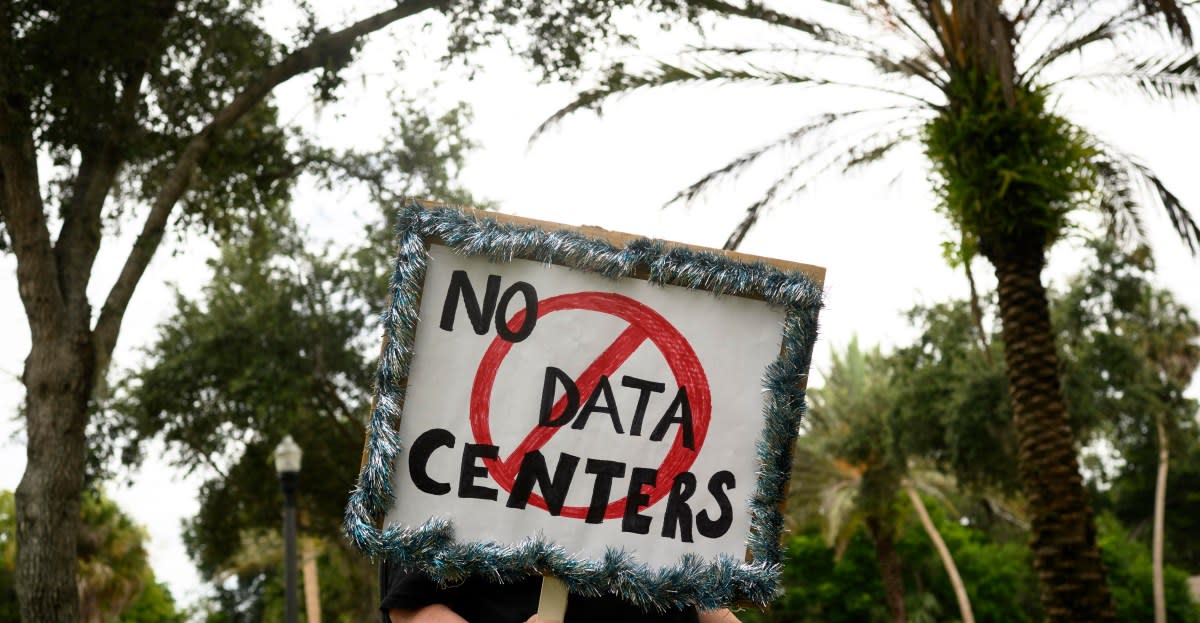
Local residents in Hernando County, Florida, are protesting the construction of hyperscale data centers despite a temporary moratorium. The movement highlights an emerging bipartisan trend of community-led resistance against large-scale industrial infrastructure projects.
The Rise of Grassroots Opposition to Data Infrastructure
In a display of local civic engagement, a group of residents recently gathered outside the Spring Hill Branch Library in Hernando County, Florida, to voice their opposition to the development of hyperscale data centers in their community. Led by individuals like Carol, a retired radio host and local activist, the group known as 'No Data Centers Hernando County' is pushing for a permanent ban on these facilities. This protest, while small in scale, represents a growing national trend where local communities are increasingly wary of the rapid expansion of digital infrastructure within their geographic boundaries.
The Limitations of Temporary Moratoriums
Although the Hernando County commission unanimously approved a one-year moratorium on data center developments this past June, the protesters remain unswayed. For these residents, a temporary pause is viewed as merely a stopgap measure rather than a solution. The organizers are explicitly seeking a permanent prohibition, reflecting a deep-seated distrust in the long-term planning processes that often favor industrial utility over residential preservation. This tension between local municipal governance and the immediate demands of activist groups creates a complex regulatory environment for developers.
Bipartisan Concerns Over Industrial Expansion
One of the most notable aspects of this movement is its ideological composition. While often categorized under the umbrella of conservative activism due to the demographics of the participants, the concerns regarding data centers—such as land use, noise pollution, and environmental impact—frequently mirror those held by progressive environmental groups. The shared unease regarding how hyperscale facilities alter the character of a community suggests that data center development may become a new focal point for cross-partisan coalition building.
The Environmental and Economic Trade-off
Data centers are massive consumers of electricity and water, resources that are increasingly prioritized for public use. When citizens in Florida or elsewhere organize against these projects, they are often reacting to the perceived strain these facilities place on local infrastructure. The 'No Data Centers' narrative is rooted in the belief that the economic benefits—often touted as job creation—do not outweigh the costs of industrialization in residential or rural areas. This skepticism is a key driver in local zoning battles across the United States.
Future Trends in Infrastructure Zoning
As the demand for AI and cloud computing continues to accelerate, the reliance on hyperscale data centers will only increase. However, as demonstrated in Hernando County, developers now face a more organized and vocal opposition. We can expect to see more municipalities grappling with similar pressures, leading to stricter zoning laws and more rigorous environmental impact assessments. The outcome in Florida will likely serve as a case study for how local governments navigate the balance between global technological requirements and the protective instincts of their constituents.