Framework Laptop 13 Pro review: Much better battery, much worse price
Source Entity
Andrew Cunningham
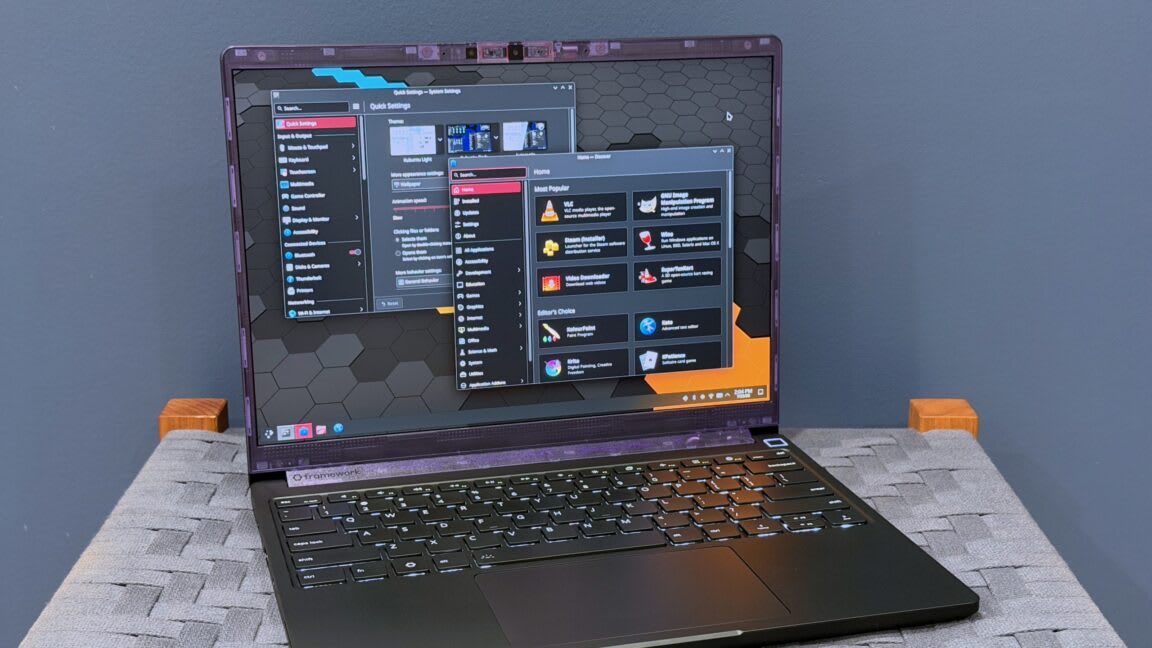
The Framework Laptop 13 Pro introduces significant hardware improvements like a superior screen and haptic trackpad, but faces criticism for price hikes and reduced component backward compatibility. This shift marks a pivotal moment for the modular laptop ecosystem as it balances repairability with premium performance.
The Evolution of Modular Computing: The Framework 13 Pro
The release of the Framework Laptop 13 Pro represents a significant inflection point for the modular computing movement. While Framework has long been championed for its DIY ethos, allowing users to swap ports and upgrade internals with ease, the 'Pro' iteration signals a move toward premium market positioning. By introducing a bright, sharp touchscreen and a haptic trackpad that rivals Apple’s industry-leading hardware, Framework is attempting to shed the 'enthusiast-only' label to compete directly with high-end ultraportables.
Balancing Performance and Repairability
Historically, Framework laptops have required users to accept certain compromises—specifically regarding build material and battery life—in exchange for the ability to repair their own devices. The 13 Pro addresses these fundamental flaws, offering a much-improved battery life and a more refined chassis. However, this shift toward a 'Pro' experience introduces a new set of tensions within the user community, as the pursuit of a more polished device often necessitates design changes that deviate from previous generations.
The Cost of Innovation: The 'RAMageddon' Effect
One of the most contentious aspects of this release is the pricing strategy. The context highlights an $800 price increase attributed to 'RAMageddon,' illustrating how global supply chain volatility and memory market fluctuations can disproportionately affect niche manufacturers. Unlike massive corporations that can absorb these costs through volume, Framework’s modular model makes them vulnerable to component pricing, turning what should be an accessible repairable device into a luxury-tier investment.
Backward Compatibility Challenges
Perhaps the most significant shift with the 13 Pro is the move away from total backward compatibility. Previous iterations of the Laptop 13 allowed for incremental upgrades using the same chassis parts. The Pro model, however, introduces a redesigned bottom case, keyboard, and trackpad. This decision complicates the long-term sustainability promise that defines the brand, as existing users may find their older components incompatible with the new Pro internals, forcing a difficult choice between upgrading the entire unit or sticking with legacy hardware.
Future Trends in Modular Design
Looking ahead, the Framework Laptop 13 Pro serves as a case study for the difficulties of modular hardware. As companies attempt to integrate high-end features like haptic feedback and high-resolution displays, they often run into the limits of standardized modular form factors. The industry will likely watch closely to see if Framework can maintain its core mission of sustainability while navigating the economic pressures of a volatile tech market and the technical limitations of modularity.
Conclusion
In summary, the Framework Laptop 13 Pro is a double-edged sword. It successfully elevates the hardware experience to compete with top-tier notebooks, yet it challenges the very premise of long-term modularity by breaking compatibility with older parts and succumbing to significant price hikes. For consumers, the decision to purchase now hinges on whether they value the refined user experience over the cost-efficiency and total component compatibility that characterized the original Framework vision.