Funeral director who left people unburied breached families' trust 'on industrial scale', court hears
Source Entity
BBC News
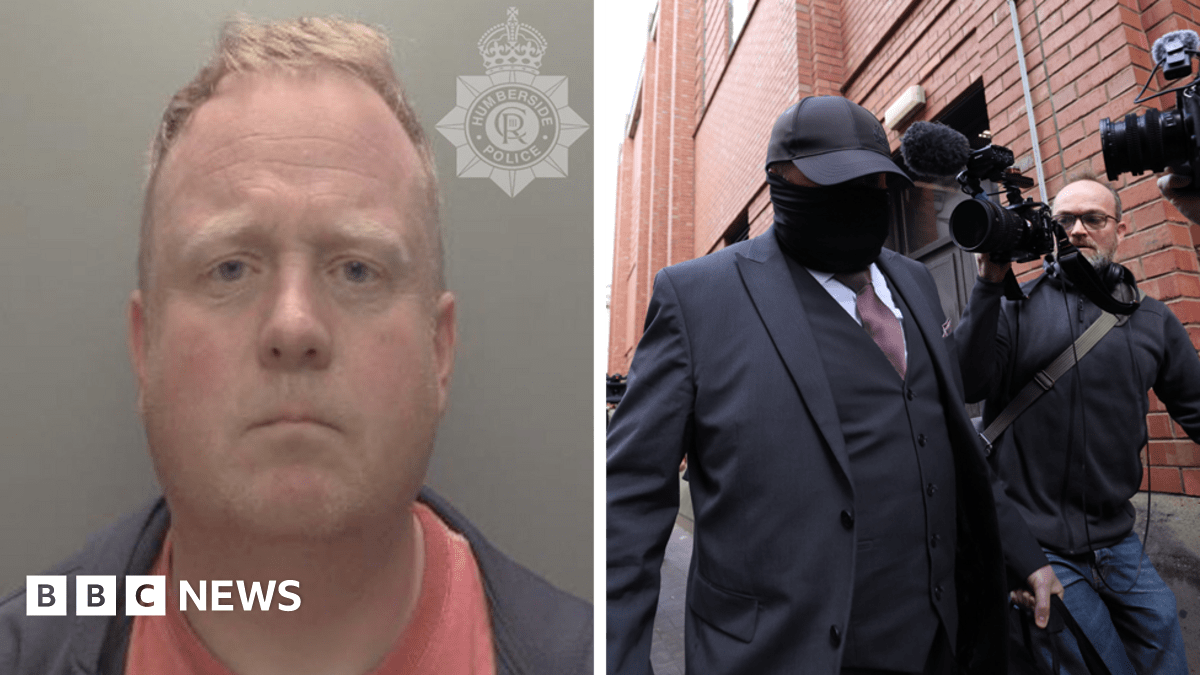
Robert Bush, a funeral director in Hull, is facing sentencing for 67 offences after police discovered 35 unburied bodies and over 100 sets of ashes at his parlour. Families of the deceased have described the discovery as a 'horror scene' and expressed deep trauma over the betrayal of trust.
A Breach of Fundamental Trust
The sentencing of Robert Bush, the owner of Legacy Independent Funeral Directors in Hull, marks a harrowing conclusion to a case that has devastated a local community. Prosecutors have described the scene discovered by police in March 2024 as nothing short of a "horror scene," revealing that 35 bodies and over 100 sets of ashes were kept at the premises in conditions that fundamentally violated the sanctity of death. The scale of these offenses—totalling 67 charges, including 30 counts of preventing a lawful and decent burial—highlights an unprecedented betrayal of families at their most vulnerable moment.
The Human Cost of Negligence
The emotional toll on the affected families is immeasurable. For individuals like Joanne Moody, whose father Peter Moody was discovered at the parlour three months after his supposed funeral, the revelation has been described as a "crucifying" ordeal. The fact that some bodies were left unburied for as long as a year points to a systematic failure of professional duty. Families who sought closure through traditional burial rites were instead met with deception, with many receiving incorrect ashes, further complicating the grieving process and leaving lasting psychological scars.
Legal and Moral Implications
Robert Bush’s admission of guilt to 67 offences, which includes the theft of funds from 12 separate charities, paints a picture of a business model built on deceit. By failing to perform the very services he was entrusted to manage, Bush did not just commit a series of legal violations; he shattered the social contract that exists between funeral directors and the bereaved. This case raises critical questions about the regulation of the funeral industry and the oversight mechanisms currently in place to ensure that such industrial-scale negligence is prevented in the future.
Broader Industry Standards
The discovery at Legacy Independent Funeral Directors has sent shockwaves through the funeral industry, prompting a re-evaluation of how independent parlours are monitored. Historically, the sector has relied heavily on professional reputation and trust, but this incident serves as a grim reminder of the necessity for rigorous, transparent inspection regimes. The lack of remorse shown by the defendant, as noted by victims, adds a layer of moral complexity to the sentencing proceedings, as the court balances the gravity of the crimes against the defendant’s admission of guilt.
Looking Ahead: Regulatory Reform
As the five-day sentencing hearing concludes, the focus will likely shift toward systemic change. The public outcry and the sheer volume of evidence presented at Hull Crown Court suggest that there will be significant pressure on authorities to implement stricter licensing and auditing requirements for funeral directors. This tragedy will likely serve as a benchmark case for future legal reforms aimed at protecting grieving families from exploitation, ensuring that the dignity of the deceased is protected by law rather than left to the discretion of individual business owners.