G20 'family photo' cancelled after protests over presence of Russian minister
Source Entity
BBC News
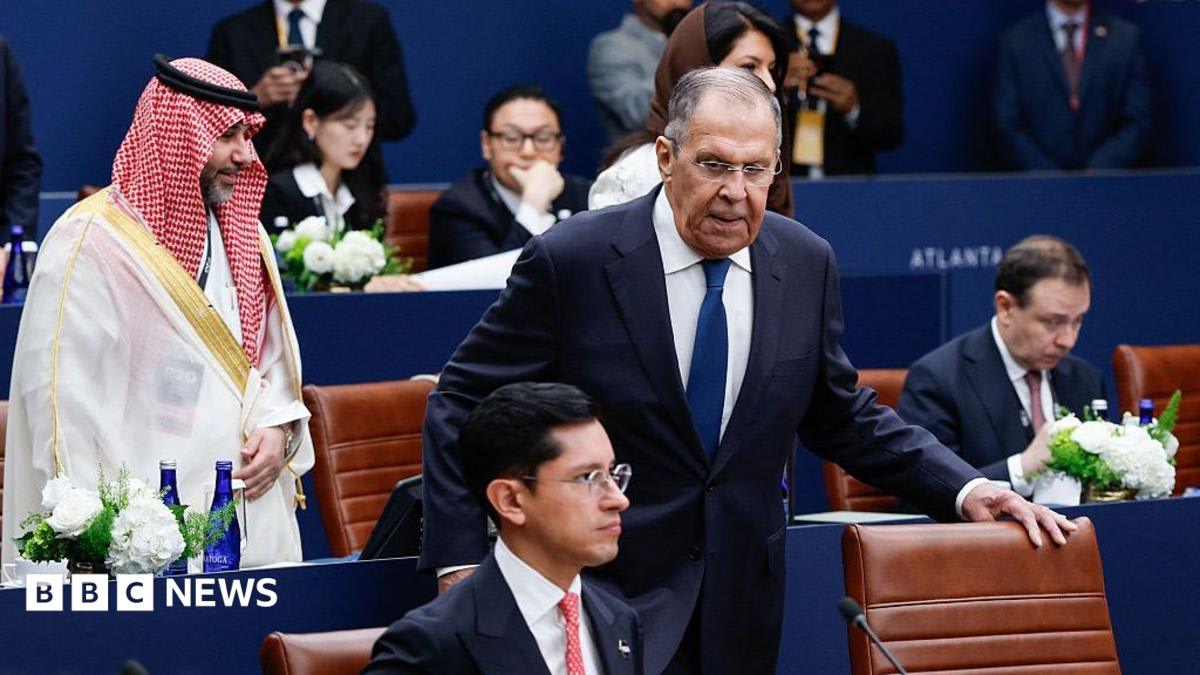
The G20 foreign ministers' meeting in Atlanta saw the cancellation of the traditional group photo due to European objections to appearing alongside Russian Foreign Minister Sergei Lavrov. The move highlights the deep diplomatic rift caused by the ongoing war in Ukraine.
Diplomatic Tensions Overshadow G20 Summit in Atlanta
The G20 foreign ministers' meeting in Atlanta has been marked by significant diplomatic friction, leading to the unprecedented cancellation of the customary group photograph. US Secretary of State Marco Rubio made the decision to scrap the event after it became clear that several European delegations would refuse to participate if Russian Foreign Minister Sergei Lavrov were included. This development underscores the profound isolation of Moscow within international forums following the invasion of Ukraine.
The Politics of the 'Family Photo'
The traditional G20 'family photo' is typically a symbol of global cooperation and collective economic governance. However, the refusal of European officials to be photographed with Lavrov suggests that, for many Western nations, the symbolic act of standing alongside a representative of the Russian government is no longer tenable. By cancelling the photo, the US sought to prevent a public spectacle of boycotts or walkouts that would have undoubtedly dominated the news cycle and detracted from the substantive agenda of the two-day summit.
A Shift in Diplomatic Protocol
The decision reflects a broader trend in international diplomacy where symbolic gestures have become primary tools of protest. According to reports, the UK’s Foreign Secretary, Ed Miliband, directly confronted Lavrov, accusing his government of killing innocent civilians in Ukraine. This direct confrontation, combined with the UK's stated policy of avoiding bilateral engagement with Russian ministers, highlights the hardening stance of European powers. The absence of Ukraine from this specific invitation list, despite its presence at previous G20-related summits, adds another layer of complexity to the diplomatic environment.
Broader Geopolitical Strains
The tensions at the G20 are further complicated by the current state of US-Ukraine relations. Reports indicate a diplomatic standoff between President Volodymyr Zelensky and President Donald Trump regarding Kyiv's strikes on oil infrastructure inside Russian territory. This friction, occurring alongside the G20 meeting, creates a challenging environment for the US as it attempts to manage both its alliance with Ukraine and its role as host for the G20, which includes nations with varying perspectives on the war.
Implications for Future Multilateralism
This incident raises significant questions about the future of the G20 as a cohesive body. The group was founded to address global economic stability, but it is increasingly becoming a theater for the geopolitical conflicts of its members. As Western nations continue to prioritize the isolation of Russia, the ability of the G20 to function as a forum for consensus-building may be severely compromised. The cancellation of the photo is not merely a logistical adjustment; it is a clear indicator that the 'business as usual' approach to international summits is currently impossible in the face of ongoing military conflict.
Multiple Citing Sources