Ganesh idol collapse: Was tragedy avoidable? Wet PoP, loose bolt raise questions
Source Entity
Apoorva Agashe
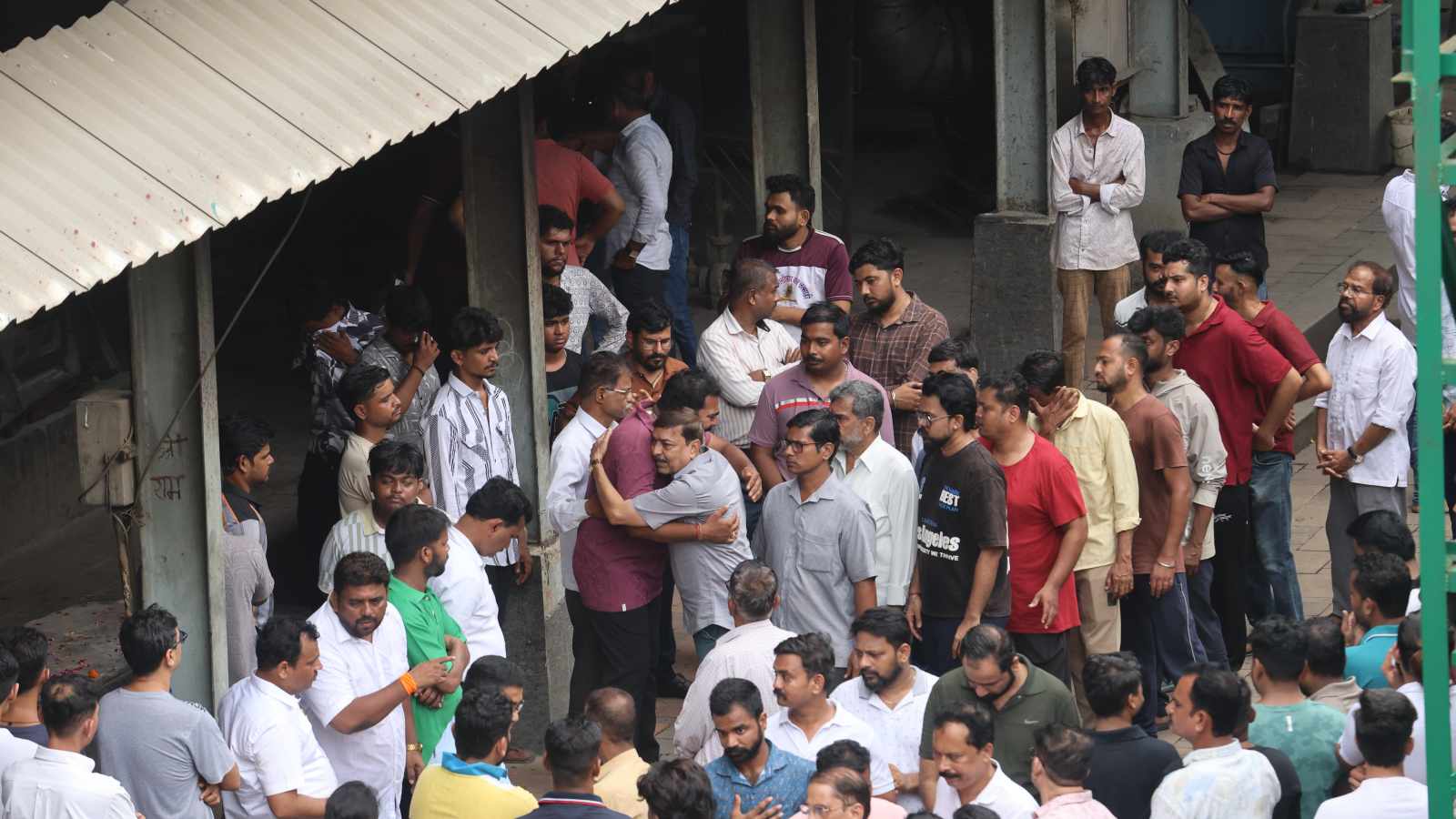
A tragic Ganesh idol collapse in South Mumbai has resulted in two deaths and five injuries. Authorities are investigating the sculptor and structural integrity, specifically focusing on the use of wet Plaster of Paris.
The Bhuleshwar Tragedy: A Critical Analysis of Public Safety
The recent collapse of a 22-foot Ganesh idol in the Bhuleshwar area of South Mumbai has sparked a somber national conversation regarding public safety during religious processions. The incident, which claimed the lives of two individuals, including Sanket Nevshe, and left five others injured, serves as a grim reminder of the risks associated with large-scale temporary structures. As families mourn at the Girgaon Cremation Centre, the focus of the community and law enforcement has shifted toward accountability and the structural integrity of these towering icons.
The Investigation: Accountability and the Missing Sculptor
At the heart of the investigation is the whereabouts of the sculptor, Aniket Desai. The LT Marg police currently face significant hurdles as the primary individual responsible for the idol's construction remains untraceable. The inability to question the creator of the 22-foot structure prevents authorities from determining whether the failure was a result of poor craftsmanship, inadequate load-bearing design, or negligence during the installation phase. Without the sculptor’s testimony, the investigation remains in a precarious state of uncertainty.
Material Integrity: The Dangers of Wet PoP
Preliminary findings have highlighted a critical technical failure: the use of wet Plaster of Paris (PoP). Investigators are currently examining whether the moisture content significantly increased the idol's weight beyond its structural capacity. PoP is known for its rigidity, but when not properly cured, it loses structural stability and becomes prone to sudden failure under stress—a factor that likely played a decisive role in the collapse during the procession.
Structural Stability and Installation Standards
Beyond the material composition, the incident raises alarming questions about the engineering standards applied to temporary religious idols. A 22-foot structure requires precise load distribution and robust anchoring. The presence of a 'loose bolt,' as indicated by initial reports, suggests that the installation may have been rushed or improperly executed. The combination of excess weight from moisture and a compromised anchoring system likely created a perfect storm for the collapse.
Broader Implications for Future Festivals
This incident forces a re-evaluation of how large-scale idols are manufactured and transported in urban environments like Mumbai. Historically, the demand for bigger and more elaborate idols has often outpaced the evolution of safety regulations. Moving forward, authorities may need to implement stricter certification processes for sculptors and mandatory structural audits for idols exceeding a certain height, ensuring that the devotion of the faithful is not met with avoidable mechanical tragedies.
Conclusion
While the investigation continues, the loss of life in Bhuleshwar remains a poignant call to action. The intersection of cultural tradition and public engineering requires a higher standard of oversight. Ensuring that future festivities are safe for all participants will depend on the police's ability to locate the responsible parties and the industry's commitment to prioritizing safety over scale.