Ganga, Yamuna water levels rise again; rivers still remain below danger mark
Source Entity
Latest News: Todays Latest News Headlines from India & World | Hindustan Times | Hindustan Times
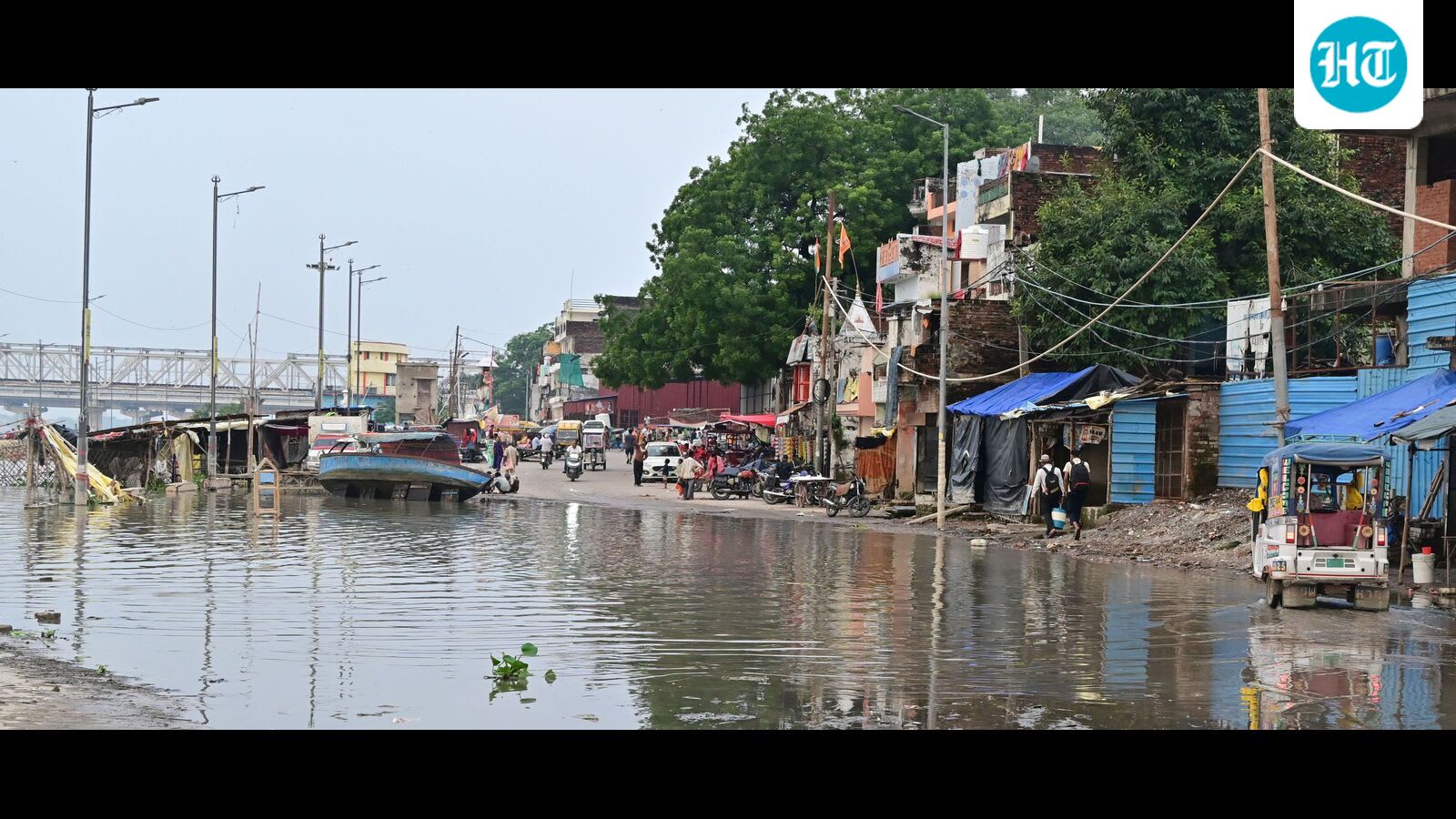
Water levels in the Ganga and Yamuna rivers have risen slightly, causing concern for residents in low-lying areas. Despite the increase, both rivers remain safely below their designated danger marks, with officials monitoring the situation closely.
Monitoring Rising Water Levels in the Ganga and Yamuna
Recent reports from flood control authorities indicate a renewed upward trend in the water levels of the Ganga and Yamuna rivers. As of Thursday morning, the Yamuna River at Naini was recorded at 81.60 metres, marking an 8-centimetre increase over the preceding 24-hour period. Similarly, the Ganga River has shown consistent growth across multiple monitoring stations, including Phaphamau and Chhatnag, where levels rose by 12 centimetres each, reaching 81.88 metres and 81.13 metres respectively.
Current Status and Safety Thresholds
Despite the recent fluctuations, officials emphasize that the current water levels remain well below the critical danger mark of 84.734 metres. This safety buffer provides a degree of reassurance to the local administration and the public. The increase observed at the STP Bakhshi Bund, which climbed by 8 centimetres to 81.74 metres, is currently being treated as a routine hydrological fluctuation rather than an indicator of an imminent flood emergency.
Impact on Local Communities
While official data suggests no immediate threat to life or infrastructure, the psychological impact on residents living in low-lying floodplain areas is palpable. The visibility of rising water at prominent locations such as the Dashashwamedh Ghat in the Daraganj locality serves as a stark reminder of the region's vulnerability to seasonal water level shifts. For these communities, even minor increases in river depth necessitate heightened vigilance and preparedness.
Role of Flood Control Infrastructure
Flood control officials are maintaining a continuous watch on these developments. The systematic recording of water levels at key points—Naini, Phaphamau, Chhatnag, and Bakhshi Bund—allows for real-time monitoring and rapid response capabilities. This data-driven approach is essential for managing the delicate balance between the natural flow of the river systems and the safety of the expanding urban population residing along the banks.
Future Outlook and Environmental Context
Looking ahead, the trend of rising water levels will continue to be a focal point for local authorities. Given the unpredictability of riverine systems, ongoing observation is critical to detect any sudden shifts that could approach the danger mark. The combination of established flood control protocols and constant monitoring remains the primary strategy to mitigate risks for those living in the floodplains, ensuring that potential threats are identified long before they escalate into crises.
Verification Required?