Punjab to drop show-cause notices issued to employees over mass leave
Source Entity
The Indian Express
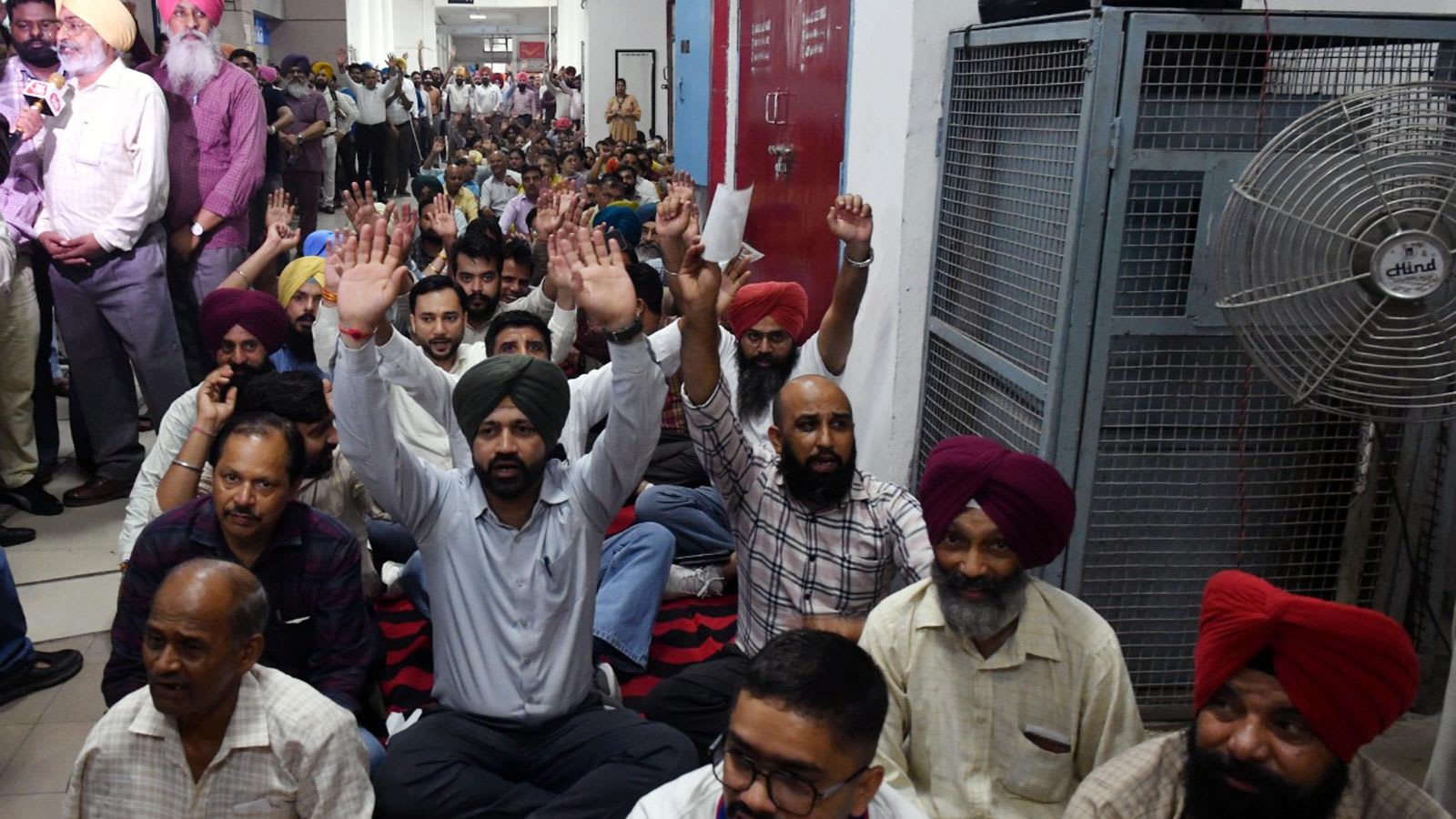
The Punjab government has withdrawn show-cause notices issued to employees who participated in a mass leave protest over pending Dearness Allowance (DA). This decision follows a High Court directive ordering the state to release the outstanding dues within two weeks.
Resolution of the Punjab Secretariat Labor Dispute
The recent decision by the Punjab government to withdraw show-cause notices issued to Secretariat employees marks a significant de-escalation in the ongoing conflict regarding administrative compensation. The employees, who had participated in a 'Maha Bandh' protest on August 27 to demand the release of long-pending Dearness Allowance (DA) arrears, were initially met with disciplinary threats for unauthorized absence. By formally rescinding these notices, the state administration has signaled a pivot toward reconciliation following the conclusion of the strike.
The Legal Mandate and Financial Pressure
Central to this resolution is a firm directive from the High Court, which has ordered the Punjab government to clear all pending DA dues within a two-week timeframe. The Dearness Allowance, intended to offset the impact of inflation on government salaries, is a critical component of public sector compensation. The court's intervention underscores the judiciary's role in ensuring state compliance with labor entitlements, effectively providing the necessary leverage for employees to secure their delayed payments without the lingering threat of punitive disciplinary action.
Understanding the Context of 'Maha Bandh'
The protest, which saw employees demonstrating within the corridors of the Chandigarh Secretariat, highlights the growing frustration among the state's workforce. The 'Maha Bandh' served as a collective expression of grievance, reflecting broader concerns about fiscal management within the state. When employees resort to mass leave, it signals a breakdown in the traditional channels of negotiation between the state bureaucracy and the government, necessitating a swift resolution to maintain the continuity of public services.
Implications of Withdrawing Disciplinary Actions
By dropping the show-cause notices, the General Administration Department has effectively neutralized the threat of professional repercussions for the protesters. This move is crucial for restoring morale within the Secretariat. Had the government pursued these disciplinary measures, it likely would have triggered renewed industrial action and further strained the relationship between the administration and its staff, potentially leading to prolonged administrative paralysis.
Future Outlook on State Fiscal Obligations
Moving forward, the primary challenge for the Punjab government lies in meeting the High Court's strict two-week deadline for the disbursement of funds. The state’s ability to clear these arrears will be a litmus test for its fiscal health and administrative efficiency. Failure to meet this judicial mandate could lead to further legal scrutiny and potential contempt proceedings, placing additional pressure on the government to prioritize these payments over other budgetary allocations.
Conclusion
In summary, the withdrawal of disciplinary notices is a pragmatic step that prioritizes administrative stability over punitive governance. With the strike called off and the legal clock ticking on the DA payments, the focus now shifts entirely to the state’s financial capacity to satisfy its obligations. The resolution of this dispute serves as a reminder of the delicate balance between state fiscal discipline and the rights of the public workforce to demand fair compensation in an inflationary environment.