Women’s workforce participation rises, but funding and leadership gaps remain
Source Entity
India Latest News: Top National Headlines Today & Breaking News | The Hindu
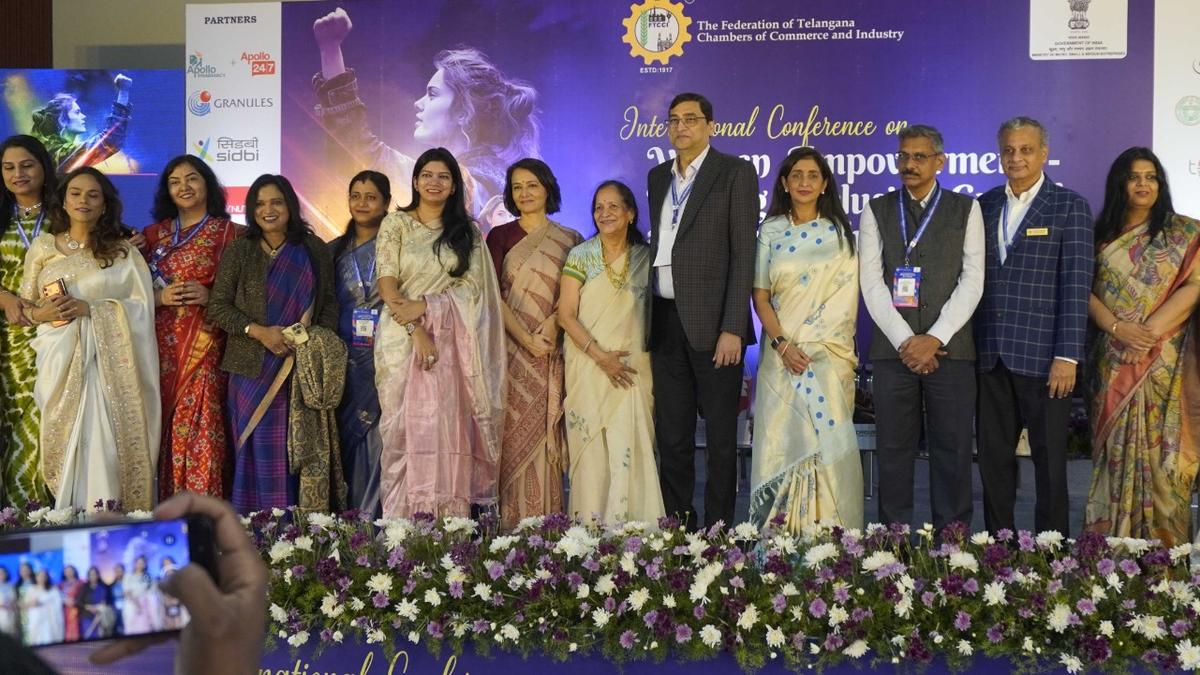
India's female labour-force participation has surged to 41.7% in 2023-24 from 23.3% in 2017-18. Despite this progress, experts emphasize that systemic barriers in leadership, capital access, and market entry persist.
The Evolution of Women's Labour Participation in India
The landscape of India’s labour market is undergoing a significant transformation. According to recent data shared at a conference hosted by the Federation of Telangana Chambers of Commerce and Industry (FTCCI), female labour-force participation has seen a remarkable increase, rising from 23.3% in the 2017-18 fiscal year to 41.7% in 2023-24. This upward trajectory signals a broader shift in societal norms and economic necessity, suggesting that more women are actively engaging with the formal economy than in previous years.
The Disconnect Between Participation and Empowerment
While the statistical rise in participation is undeniably positive, it serves as only one metric of progress. As highlighted by Dr. Tasneem Shariff, Chair of the FTCCI Women Empowerment Committee, increased participation alone does not equate to full economic empowerment. The current challenge lies in the quality of this participation, as women continue to grapple with persistent structural hurdles, including limited access to capital, restricted market reach, and a lack of representation in top-tier leadership roles.
Addressing the Capital and Market Gap
One of the primary bottlenecks identified by industry experts is the scarcity of dedicated funding for women-led enterprises. Even as women enter the workforce in record numbers, the path to entrepreneurship remains fraught with difficulty. Access to credit and institutional investment remains skewed, often leaving women-owned businesses at a competitive disadvantage. Without equitable access to these financial resources, the sustainability of female-led business ventures remains precarious, potentially capping the long-term economic impact of their participation.
Leadership and Institutional Barriers
Beyond financial constraints, the 'glass ceiling' remains a formidable barrier within the corporate hierarchy. Although women are entering the workforce, the transition into executive and leadership positions is not occurring at a commensurate rate. Experts at the FTCCI conference emphasized that inclusive growth requires more than just hiring practices; it necessitates a fundamental revaluation of corporate culture, mentorship programs, and policy frameworks that actively promote women into decision-making roles.
Future Trends and Policy Implications
Looking ahead, the focus must shift from merely increasing headcount to fostering an environment where women can thrive as leaders and innovators. This requires a multi-faceted approach involving policymakers, private sector leaders, and investors. By dismantling the barriers to entry in high-growth sectors and ensuring that capital is accessible, India can better leverage its demographic dividend. The future of inclusive growth in the country will likely depend on the success of these targeted initiatives aimed at bridging the gap between workforce entry and leadership equality.
Verification Required?