Joint safety inspection finds gaps on national highways in Keralam’s Thrissur
Source Entity
India Latest News: Top National Headlines Today & Breaking News | The Hindu
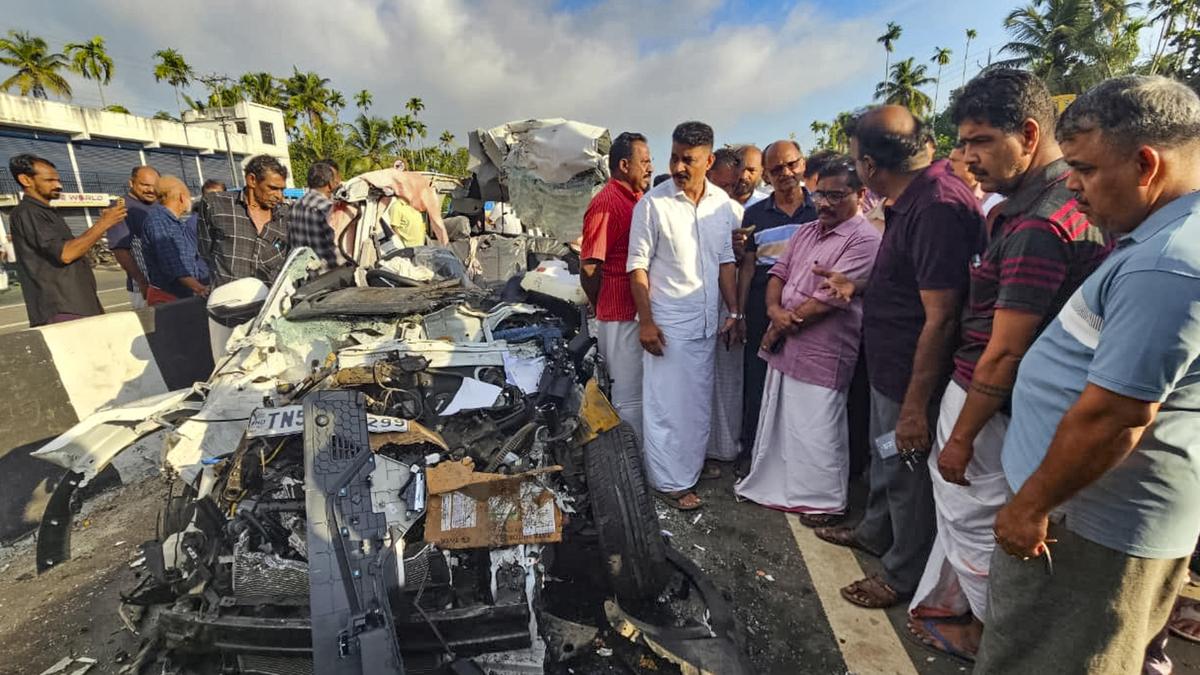
Following a fatal accident in Kaipamangalam, authorities in Thrissur have identified critical safety gaps on NH 66 and NH 544. District Collector Shikha Surendran has ordered the NHAI and relevant departments to immediately rectify these infrastructure deficiencies.
Urgent Safety Overhaul Ordered for Thrissur Highways
The Catalyst for Change
The recent directive issued by Thrissur District Collector Shikha Surendran marks a critical turning point for road safety infrastructure in Kerala. Following the tragic loss of eight engineering students in a horrific accident at Kaipamangalam, the administration has moved beyond reactive measures to proactive systemic reform. By convening the District Safety Highway Task Force on September 5, the Collector effectively signaled that the status quo of infrastructure maintenance is no longer acceptable in the face of preventable fatalities.
Multi-Agency Collaborative Response
The strength of this intervention lies in its collaborative nature. By constituting a specialized team comprising the Motor Vehicles Department, local police, Local Self-Government representatives, and the National Highways Authority of India (NHAI), the administration is ensuring that a holistic view of road safety is prioritized. This inter-departmental approach is essential because road safety is not merely about road surface quality; it involves traffic management, signage, illumination, and local urban planning, all of which are being scrutinized across the NH 66 and NH 544 corridors.
Addressing Infrastructure Deficiencies
NH 66 and NH 544 are vital arteries for Kerala’s economy and daily mobility, yet they have become flashpoints for safety concerns. The joint inspection has explicitly aimed to identify structural gaps that exacerbate accident risks. By forcing the NHAI and state departments to confront these deficiencies, the district administration is leveraging its oversight authority to compel long-overdue maintenance and safety upgrades that have historically been sidelined.
Broader Implications for Road Safety
This development serves as a microcosm for the broader national struggle to manage high-speed infrastructure in densely populated regions. As Kerala continues to expand its highway networks to support growing transit needs, the integration of safety audits must become a permanent, rather than reactive, feature of project management. The Thrissur model—where a tragic event triggers a district-wide audit—highlights the need for a standardized, continuous safety monitoring framework across all national highways.
Future Trends and Accountability
Looking forward, the success of these corrective measures will depend heavily on the accountability mechanisms established by the District Collector. If the NHAI and associated departments effectively address the flagged deficiencies, it will set a significant precedent for other districts in Kerala to demand similar transparency. Ultimately, the goal is to transform these transit routes from hazardous zones into model corridors that prioritize human life over sheer speed or throughput capacity.
Conclusion
The proactive stance taken by the Thrissur district administration is a necessary response to a preventable tragedy. By mandating immediate corrective action on NH 66 and NH 544, authorities are taking a vital step toward reconciling the demands of modern infrastructure with the fundamental necessity of public safety. Continued vigilance and the sustained commitment of all involved departments remain essential to ensuring such tragedies do not recur.
Verification Required?