‘Sacrifice runs for Kohli’: Gavaskar's big take on pressure facing Gill and Iyer
Source Entity
PRANAV SHUKLA
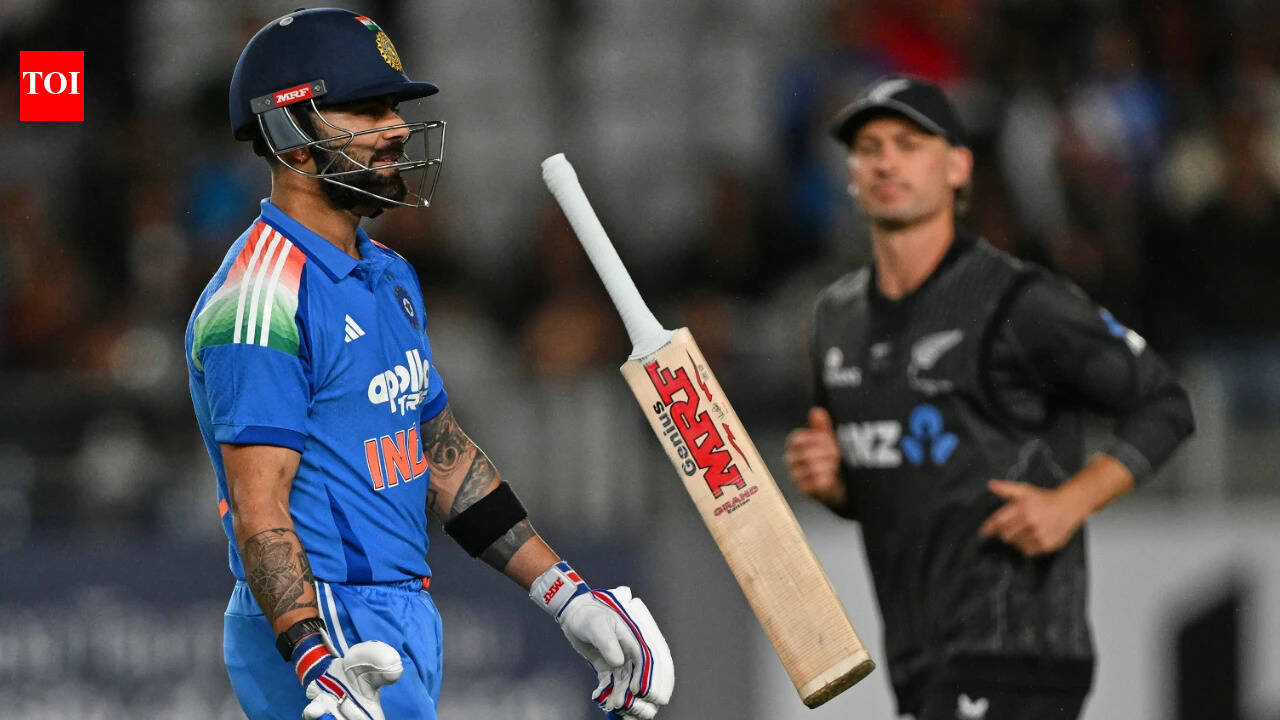
Sunil Gavaskar has sparked a debate by suggesting teammates like Shubman Gill and Shreyas Iyer could sacrifice runs to help Virat Kohli reach his 100th international century. While Kohli continues to anchor India's victories, the focus on his personal milestones highlights the immense pressure surrounding his pursuit of history.
The Weight of Expectation: Kohli’s Pursuit and the Team Dynamic
Legendary cricketer Sunil Gavaskar has ignited a significant conversation regarding the delicate balance between individual milestones and team objectives in Indian cricket. His recent commentary, centered on Virat Kohli’s pursuit of a historic 100th international century, highlights the immense pressure placed on the star batter during ODI matches. Kohli, who recently scored 74 runs in a successful outing for India, remains the focal point of fan anticipation, with every innings scrutinized for its potential to add to his record-breaking tally.
The Strategic Dilemma of Milestones
Gavaskar’s proposition—that younger teammates like Shubman Gill and Shreyas Iyer could potentially 'sacrifice' runs to facilitate Kohli reaching his century—serves as a provocative look at how team chemistry interacts with individual ambition. In the modern era of high-stakes cricket, the pursuit of personal landmarks often creates a secondary narrative that runs parallel to the primary goal of winning. Gavaskar argues that if a situation allows, such gestures could satisfy the fervor of the Indian fan base, who are deeply invested in seeing Kohli reach this unprecedented landmark.
Contextualizing the Pressure on Emerging Stars
For players like Shubman Gill and Shreyas Iyer, the pressure is two-fold. Not only are they expected to perform at an elite level to secure their spots in a highly competitive Indian squad, but they are also navigating the shadow of a legend. Gavaskar’s comments suggest that the environment surrounding Kohli is so intense that team dynamics might shift to accommodate his pursuit of history. This puts young players in a unique position where their tactical decisions on the pitch might be influenced by the broader cultural significance of Kohli’s career milestones.
Historical Precedence and Fan Fervor
Indian cricket has a long history of placing immense value on individual batting records, often viewing them as symbols of national pride. Gavaskar’s remarks reflect a deep understanding of this cultural phenomenon. Because fans are so eager to witness Kohli reach the 100-century mark, the narrative has evolved into a collective national project. This creates a unique atmosphere where the captain or the coach must manage the fine line between individual accolades and the structural requirements of the team's winning strategy.
Future Trends in Team Strategy
Looking ahead, this discussion raises questions about the future of team-first philosophies in Indian cricket. As Kohli continues to anchor the innings, the tactical flexibility required to balance his individual goals with the need for rapid scoring in the middle overs will remain a key talking point. Gavaskar’s analysis underscores that in the world of high-profile cricket, personal milestones are not merely statistical achievements but cultural events that can dictate the strategic flow of a match.
Conclusion: A Balancing Act
Ultimately, the situation surrounding Virat Kohli’s quest for his 100th century is a reflection of his stature in the sport. While the team’s victory remains the primary goal, the discourse initiated by Gavaskar highlights how individual brilliance can influence team dynamics. As the Indian team moves forward, the ability to manage these external expectations while maintaining a winning culture will be essential for both the senior stalwarts and the emerging stars of the game.