Families' agonising search for answers as thousands still missing in Gaza
Source Entity
BBC News
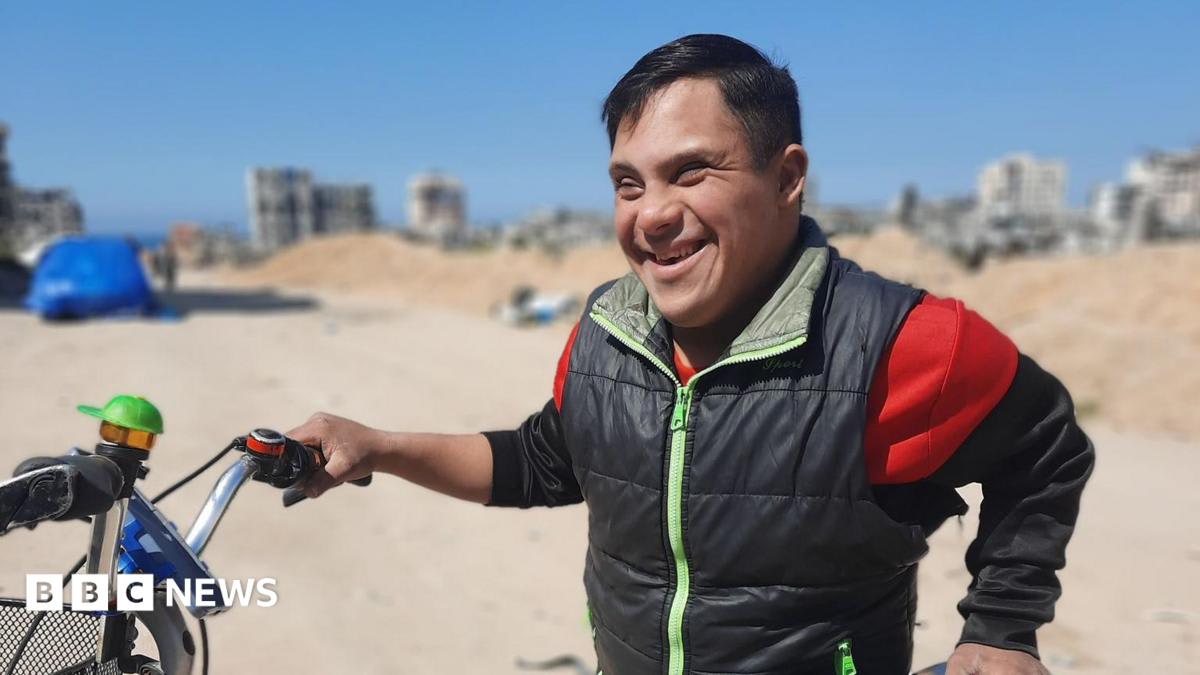
Ten months after a ceasefire in Gaza, thousands of Palestinians remain missing, leaving families in a state of indefinite grief. The disappearance of individuals like 21-year-old Ahmed al Madhoun highlights the profound human cost of the conflict.
The Enduring Crisis of the Missing in Gaza
Ten months following the declaration of a ceasefire in Gaza, a grim reality persists for thousands of Palestinian families: their loved ones remain missing. The cessation of active combat has not brought closure to those whose relatives vanished during the intense fighting between Israel and Hamas. Instead, these families are trapped in a state of suspended animation, navigating the debris of a war-torn landscape in search of answers that may never arrive.
A Personal Portrait of Loss
The story of Ahmed al Madhoun serves as a poignant microcosm of this broader humanitarian tragedy. A 21-year-old with Down's syndrome, Ahmed was remembered by his mother, Majdiya, as a vibrant individual known for his infectious smile and social nature. His disappearance in May 2025, during a routine errand to a local shop, occurred amidst a period of heavy Israeli airstrikes in Gaza City. The suddenness of his absence, captured in the mundane transition from a normal day to a life-altering tragedy, reflects the vulnerability of civilians caught in the crossfire.
The Mechanics of Disappearance
When a conflict zone is subjected to large-scale aerial bombardment, the ability to track missing persons is severely compromised. In the case of Ahmed and thousands of others, the destruction of infrastructure and the chaos of the environment have made forensic identification and search efforts nearly impossible. The fact that thousands remain unaccounted for nearly a year later points to a systemic failure in post-conflict recovery, where the sheer scale of destruction has outpaced the resources available to document and recover the missing.
Psychological and Societal Implications
For mothers like Majdiya, the psychological toll is profound. The digital evidence—videos of Ahmed playing with a kitten or swimming—serves as both a testament to his personality and a haunting reminder of what has been lost. This ongoing uncertainty prevents the natural grieving process from occurring, as the lack of a body or a definitive explanation leaves families in a perpetual state of searching. This collective trauma is likely to have long-term impacts on the social fabric of Gaza, as thousands of households are left without closure.
Future Trends and Challenges
The persistence of these missing persons cases underscores a significant challenge for international humanitarian organizations and local authorities. As time passes, the likelihood of finding survivors decreases, and the task of identifying remains becomes increasingly difficult due to environmental degradation and the passage of time. Moving forward, the international community will face mounting pressure to provide forensic support and resources to aid these families. Without a concerted effort to address the status of the missing, the scars of this conflict will remain open indefinitely, serving as a constant reminder of the human cost of the war in Gaza.