The UV-tracking Gem made me rethink how sunlight affects my health, not just my appearance
Source Entity
Sheena Vasani
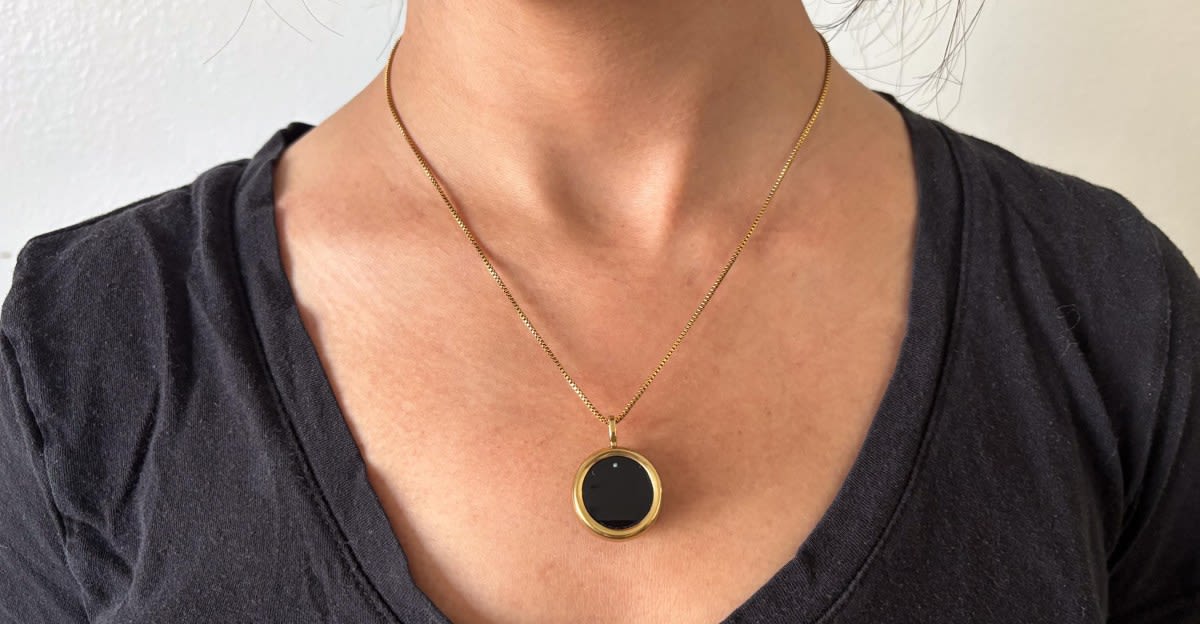
A user's experience with the Gem UV-tracking necklace highlights the hidden dangers of UV radiation even while under shade. The device provides real-time warnings, demonstrating how environmental reflection can lead to heat exhaustion and sun damage.
The Hidden Dangers of Shade: A Lesson in UV Exposure
Recent personal accounts from Los Angeles during high-temperature spikes in August have shed light on the deceptive nature of sun protection. While seeking refuge under a patio umbrella during a gathering, an individual experienced sudden symptoms of heat exhaustion, including dizziness and nausea, despite believing they were shielded from the sun. This incident underscores a critical misunderstanding of how UV radiation behaves in outdoor environments.
The Science of Scattered Radiation
Contrary to common belief, sitting under a patio umbrella does not provide complete immunity from solar radiation. UV rays are not merely direct beams; they are frequently scattered by the atmosphere and reflected off surrounding surfaces like pavement, sand, or even light-colored furniture. This environmental reflection means that individuals can receive significant UV dosage even when they are not in direct sunlight, a phenomenon that often catches people off guard during summer months.
Technology as a Health Monitor
The emergence of wearable technology, specifically the $249 Gem UV-tracking necklace by The90, serves as a proactive tool in health management. By providing real-time data and notifications regarding UV intensity, such devices bridge the gap between human perception and environmental reality. In this specific case, the device alerted the wearer that their exposure levels were climbing, offering a data-driven warning that their physical senses had failed to detect until symptoms of exhaustion had already set in.
Rethinking Sun Safety Protocols
This narrative challenges the traditional reliance on simple shade as a primary method for sun protection. As climate patterns shift and temperatures in urban centers like Los Angeles frequently reach the 90s, the margin for error in sun safety narrows. The integration of wearable sensors suggests a shift toward a more quantified approach to personal health, where individuals can make informed decisions based on empirical environmental data rather than subjective comfort levels.
Broader Implications for Wellness
As we move toward a future where environmental monitoring becomes more accessible, the role of wearable tech will likely expand beyond fitness tracking into essential health diagnostics. The Gem necklace serves as a prime example of how hardware can prevent, rather than just react to, health crises like heat exhaustion. By understanding that UV exposure is a constant, ambient threat, users can better utilize technology to protect their long-term well-being and appearance simultaneously.
Conclusion
The experience serves as a stark reminder that environmental protection requires more than just physical barriers. Whether it is through advanced wearable sensors or a more nuanced understanding of how radiation reflects in our surroundings, proactive awareness is essential. As heat waves become more frequent, tools that quantify our invisible environment are becoming indispensable assets in maintaining personal health.