Before You Buy: From added sugar to preservatives, what to check when choosing packaged flavoured oats
Source Entity
Latest News: Todays Latest News Headlines from India & World | Hindustan Times
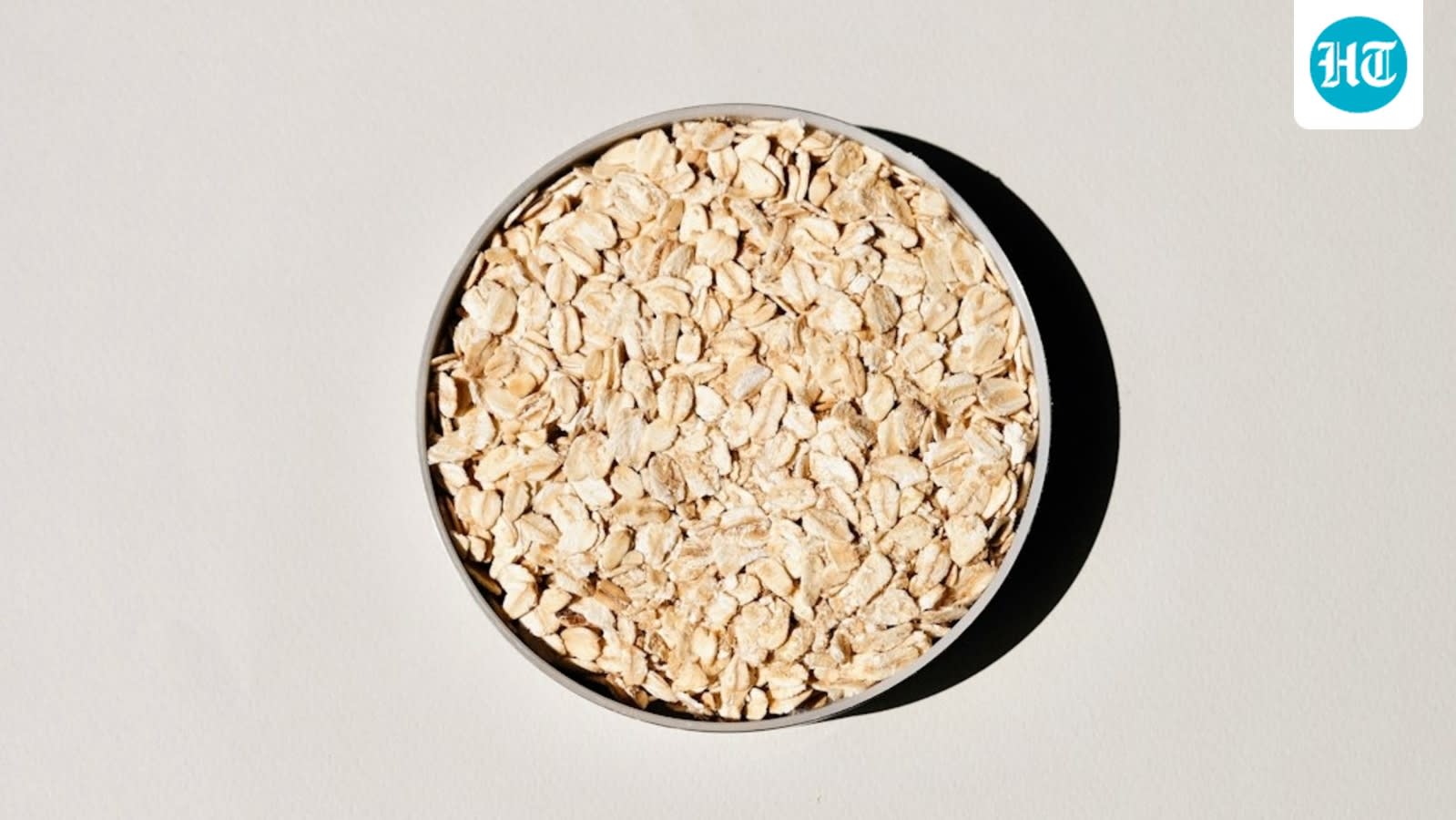
Packaged foods marketed as high-protein or healthy are often misleading, frequently containing hidden sugars and preservatives. Experts recommend prioritizing simple ingredients and reading labels carefully to ensure genuine nutritional value.
Navigating the Pitfalls of Packaged 'Health' Foods
In recent years, the food industry has undergone a significant shift, with manufacturers aggressively marketing a wide array of products—ranging from breakfast cereals and chips to biscuits and chocolates—as 'high-protein' alternatives. While the growing consumer demand for protein is rooted in a genuine desire for better health, the ubiquity of these labels often masks a more complex reality. As highlighted by experts, the term 'high-protein' on a package does not automatically equate to a nutritionally superior or inherently healthy product.
The 'High-Protein' Marketing Illusion
The fundamental issue lies in the discrepancy between marketing claims and nutritional substance. When food companies add protein isolates to snacks like chips or sugary biscuits, they are often offsetting the nutritional profile with high levels of fats, sodium, or added sugars to maintain taste and shelf stability. Consequently, consumers may be consuming more protein, but they are also ingesting unwanted additives that negate the perceived health benefits. Dietitians emphasize that a critical checklist is necessary before trusting these claims, as the 'halo effect' of a protein label often blinds buyers to the presence of less desirable ingredients.
The Case of Flavoured Oats
Beyond protein-heavy snacks, the breakfast aisle presents its own set of challenges, particularly regarding flavoured oats. While oats are celebrated for their high dietary fibre content—specifically beta-glucan, which is essential for digestive health and cholesterol management—the 'flavoured' varieties are frequently processed to the point of losing their nutritional integrity. Dr. Canday notes that plain rolled or steel-cut oats remain the gold standard, as they contain a single ingredient: oats. In contrast, pre-flavoured versions often act as vehicles for hidden sugars and preservatives, transforming a naturally healthy grain into a processed snack.
Understanding Processing Differences
To make informed choices, consumers must understand how processing affects their food. Rolled oats are steamed and flattened for quick cooking, while steel-cut oats are less processed and offer a distinct, firmer texture. Both provide the necessary fibre content required for a healthy diet, provided they are not laden with additives. By opting for these plain varieties, consumers retain full control over their nutritional intake, allowing them to customize their meals with natural sweeteners or fruits rather than relying on the additives found in instant, flavoured packets.
Strategic Consumerism and Expert Advice
Ultimately, the key to healthy eating in a world of complex food labels is skepticism and education. The industry trend of 'health-washing' relies on the consumer's desire for convenience. However, as experts warn, reading the ingredient list is non-negotiable. If a product contains an extensive list of unpronounceable chemicals, it is likely not the nutritional equivalent of whole foods. Always consult with a health practitioner before making significant changes to your dietary routine, as individual health needs vary greatly.
Conclusion: A Path Toward Conscious Consumption
The shift toward high-protein and fibre-rich diets is a positive step for public health, but it requires a sophisticated approach to grocery shopping. By prioritizing simple, whole ingredients over flashy marketing claims, consumers can protect themselves from the hidden pitfalls of the packaged food industry. Moving forward, the focus should remain on ingredient transparency and the preference for minimally processed foods to ensure that health goals are met without compromising on nutritional quality.
Verification Required?