Mountaineer uses tissue paper and tape as makeshift pad on Mount Nun: How to handle such emergencies
Source Entity
The Indian Express
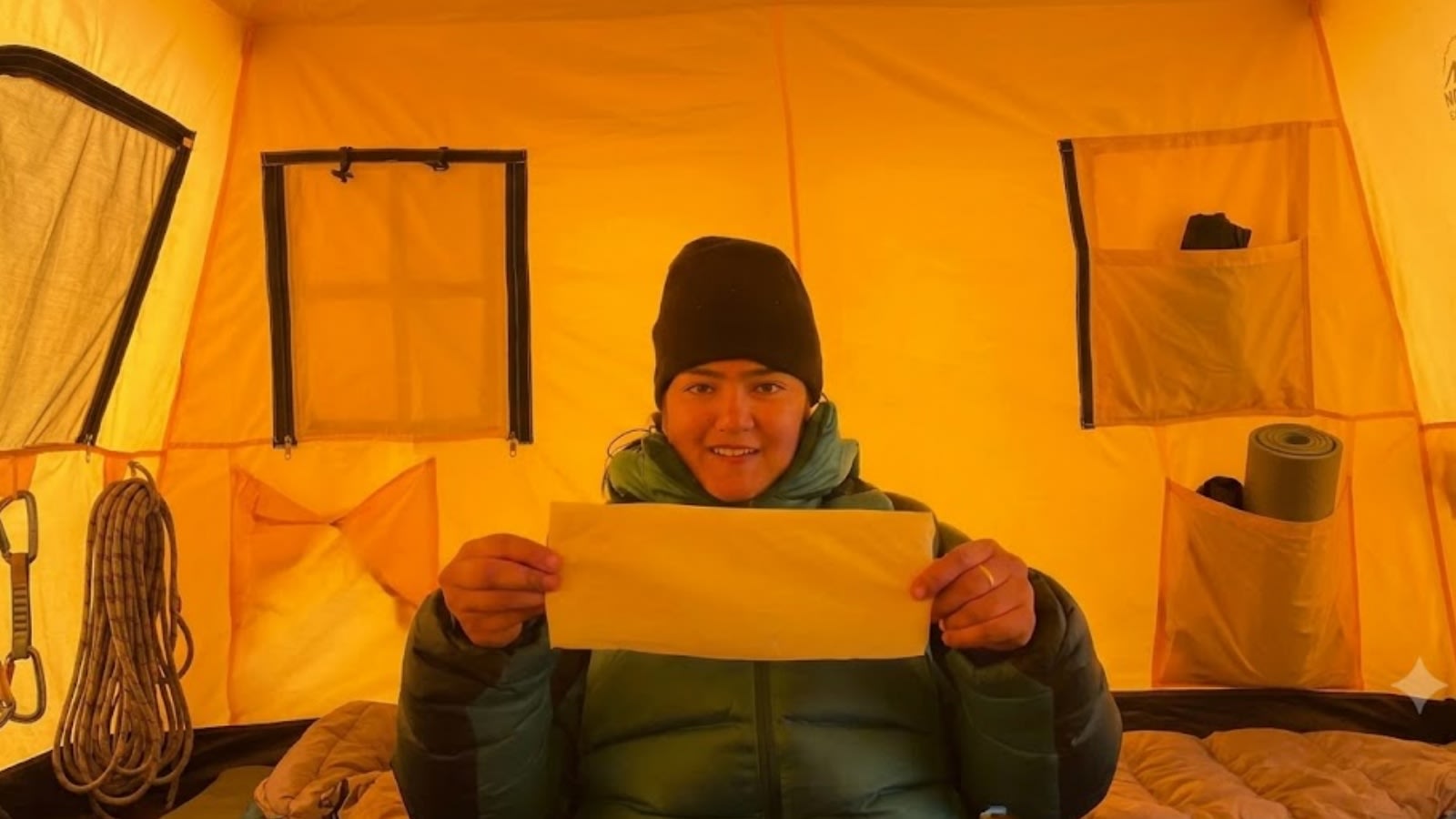
Mountaineer Yogeshwari successfully managed an unexpected period on Mount Nun using makeshift supplies after lacking proper sanitary products. Her experience highlights the critical need for better menstrual hygiene planning in extreme high-altitude expeditions.
The Challenges of Menstrual Hygiene in Extreme Altitudes
Mountaineer Yogeshwari’s recent experience on Mount Nun in Ladakh serves as a stark reminder of the logistical and physical hurdles faced by women in high-altitude environments. When her period arrived unexpectedly without access to standard sanitary supplies, she was forced to improvise using tissue paper and medical tape. This incident underscores a frequently overlooked aspect of expedition planning: the management of menstrual health in remote, resource-scarce settings.
The Risks of Improvisation
While Yogeshwari’s ingenuity allowed her to continue her climb, the reliance on makeshift materials carries significant health risks. In the harsh, freezing conditions of a mountain like Nun, personal hygiene is difficult to maintain. The use of non-absorbent or unsuitable materials like tissue paper can lead to skin irritation, chafing, and an increased risk of infection, particularly when combined with the physical exertion and lack of clean water inherent to mountaineering.
Addressing the Planning Gap
This event highlights a broader systemic need for better preparation strategies for female mountaineers. Expeditions often prioritize caloric intake, oxygen levels, and technical gear, but menstrual health kits are frequently treated as an afterthought. Experts suggest that female climbers should always carry a dedicated 'menstrual contingency kit,' regardless of their expected cycle, as the physiological stress of altitude can often trigger unexpected hormonal responses.
Psychological and Physical Resilience
Beyond the physical discomfort, there is a psychological element to managing menstruation while climbing. The stress of dealing with an unexpected cycle in a remote location adds a mental burden to an already grueling endeavor. Yogeshwari’s ability to adapt under pressure demonstrates the resilience required for high-altitude survival, yet the focus must shift toward normalizing these conversations to ensure that hygiene needs are met with proper planning rather than crisis management.
Future Trends in Expedition Gear
As more women participate in elite mountaineering, the industry is seeing a shift toward more inclusive gear planning. Future trends likely point toward the promotion of reusable menstrual cups or specialized high-performance period underwear as standard packing list items for expeditions. These solutions offer a more sustainable and hygienic alternative to traditional products, which are difficult to dispose of in fragile mountain ecosystems.
Conclusion
Mountaineer Yogeshwari’s experience on Mount Nun is a valuable case study for the mountaineering community. By highlighting the limitations of current hygiene protocols, her story encourages a shift toward proactive health management. Ensuring that female climbers have access to proper supplies is not just a matter of comfort; it is a fundamental component of safety and performance in extreme environments.