Global Gen Z protest movement: Which countries saw youth-led demonstrations
Source Entity
Nischai Vats
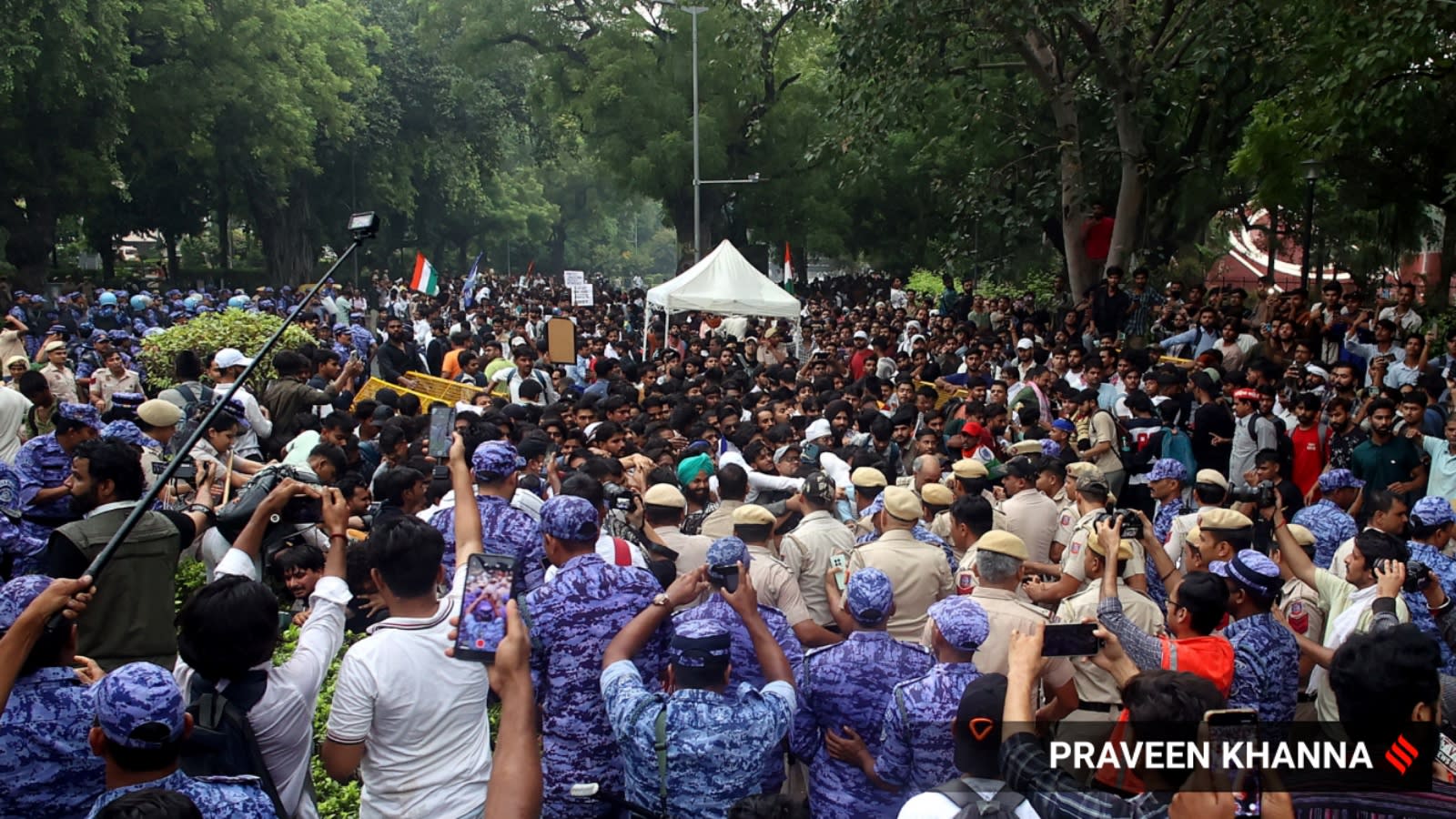
Gen Z activists are increasingly utilizing social media to mobilize global protests against corruption and economic inequality. While these youth-led movements have successfully influenced national politics in countries like Bangladesh and Nepal, they face varying degrees of success elsewhere.
The Rise of the Gen Z Global Protest Movement
Over the past several years, a distinct demographic shift has materialized in the global political arena: the emergence of Generation Z (those born between the late 1990s and early 2000s) as a primary engine for civil unrest and political reform. Across diverse geographies, these young activists have taken to the streets to challenge established authorities. Their grievances are multifaceted, ranging from systemic corruption and widening economic inequality to contentious education reforms, signaling a widespread dissatisfaction with the status quo.
The Digital Catalyst for Mobilization
What sets this wave of activism apart from historical youth movements is the unparalleled role of social media. By leveraging digital platforms, Gen Z has bypassed traditional media gatekeepers to mobilize, organize, and amplify their messages to a global audience. This connectivity allows for the rapid spread of ideological frameworks and protest tactics, turning isolated local grievances into interconnected global narratives. The speed and efficiency of this digital mobilization have forced governments to contend with a demographic that is not only tech-savvy but also highly adept at shaping public discourse.
Varied Outcomes: From Bangladesh to Indonesia
While the motivation for these protests remains relatively consistent across borders, the outcomes have been starkly different. In nations like Bangladesh and Nepal, student and youth-led movements have proven instrumental in reshaping national politics, forcing authorities to address long-standing demands for structural change. These successes highlight the potential for youth demographics to act as a pivot point for national stability and governance reform.
The Limits of Political Impact
Conversely, as noted by the New York Times, the efficacy of these demonstrations is not uniform. In countries like Indonesia, despite significant public presence and clear demands, the existing political order has remained largely immovable. This discrepancy underscores the complex interplay between grassroots activism and entrenched institutional power. Even when massive crowds gather—such as the demonstrations observed at locations like the Parliament Street–Tolstoy Marg crossing—the ability to translate physical presence into legislative or systemic reform depends heavily on the local political culture and the resilience of the state apparatus.
Future Trends in Youth Activism
As this demographic cohort continues to transition into adulthood, their influence on the global political landscape is expected to grow. We are likely to see a continued reliance on social media as a tool for political accountability. The trend suggests that as long as issues like economic instability and corruption persist, governments will continue to face pressure from a generation that is increasingly willing to utilize public space to demand systemic change. The future of global governance will likely be defined by the ongoing dialogue—or conflict—between these young activists and the institutions they seek to reform.