How MPs 'clocked' Gen Z lingo in Parliament: 'MIA', 'kuchu puchu' and other words decoded
Source Entity
NATASHA SINGH
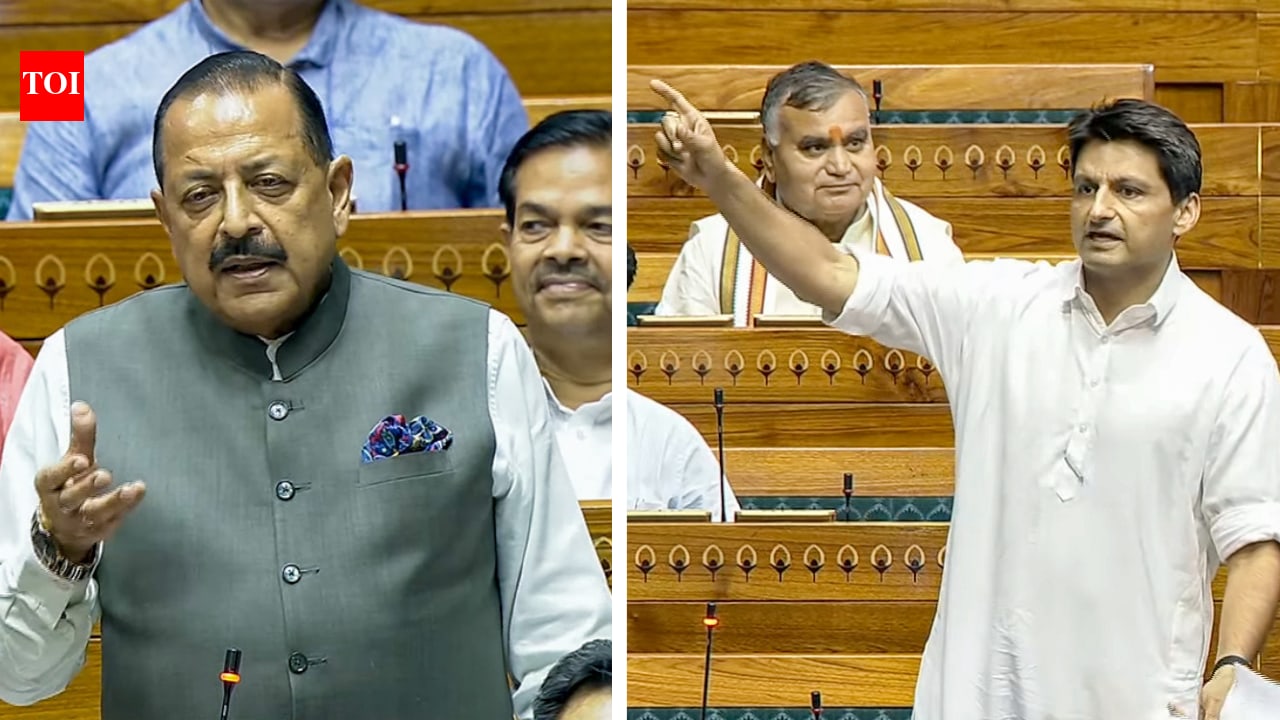
Indian Parliament is witnessing a linguistic shift as politicians adopt Gen-Z slang to address recent youth-led protests. Terms like 'FOMO', 'delulu', and 'MIA' have entered the legislative discourse, reflecting a strategic pivot in political communication.
The Linguistic Evolution of Indian Parliamentary Discourse
In a striking departure from traditional parliamentary decorum, the current Monsoon Session of the Indian Parliament has seen a surge in Gen-Z slang infiltrating the legislative floor. Politicians, including Union Minister Jitendra Singh, have begun utilizing terms such as "FOMO" (Fear Of Missing Out), "delulu" (delusional), "MIA" (Missing In Action), and "clocked it." This shift marks a significant departure from the formal, often archaic, or purely Hindi-centric rhetoric typically associated with the Lok Sabha, signaling a deliberate attempt by older generations of lawmakers to bridge the cultural gap with a younger, politically active electorate.
The Catalyst: The Cockroach Janta Party (CJP) Influence
This linguistic adaptation is not a random occurrence but a direct response to the political pressure exerted by the Cockroach Janta Party (CJP). The CJP, a youth-led movement that originated as a satirical entity, successfully mobilized nationwide protests that fundamentally rattled the government’s foundations. The intensity of these protests, which eventually led to the high-profile resignation of Education Minister Dharmendra Pradhan, forced political leaders to engage with the specific vernacular of the youth demographic that challenged their authority. By adopting the language of the protesters, politicians are attempting to reclaim the narrative and demonstrate relevance.
Decoding the New Lexicon
The vocabulary adopted by parliamentarians spans a diverse range of pop-culture origins. Terms like "clocked it" find their roots in the vibrant culture of RuPaul's Drag Race, while "delulu" and "FOMO" represent the ubiquitous nature of internet-native communication. Even phrases like "kuchu puchu" have been used in satirical jabs across the aisles. This represents a "gamification" of political debate, where complex policy issues or parliamentary maneuvering are distilled into viral-ready soundbites, mirroring the way information is consumed on social media platforms like Instagram and X.
Historical Context of Legislative Rhetoric
Parliament has historically borrowed from popular culture to make points more accessible. References to the Bhagavad Gita, iconic film dialogues like "Ja Simran, jeele apni zindagi," and satirical quips about "moral victory" have long been staples of the Indian political theater. However, the shift toward Gen-Z slang signifies a deeper change in how politicians view their audience. It is a tacit acknowledgment that the traditional "netas" of the past must now compete with influencers and social media trends to capture the attention of a digital-native generation.
Broader Implications and Future Trends
The integration of such language suggests that the future of political communication will be increasingly performative and digital-first. As the lines between social media discourse and legislative debate continue to blur, we can expect politicians to further prioritize "meme-ability" in their speeches. While this might facilitate a more immediate connection with younger voters, it raises questions about the long-term impact on the gravity of parliamentary proceedings. Nevertheless, as language continues to evolve, the Indian Parliament is clearly demonstrating that it is no longer immune to the cultural shifts occurring in the digital public square.