Beyond beer: German Embassy showcases Germany's wines at exclusive Delhi tasting
Source Entity
Latest News: Todays Latest News Headlines from India & World | Hindustan Times | Hindustan Times
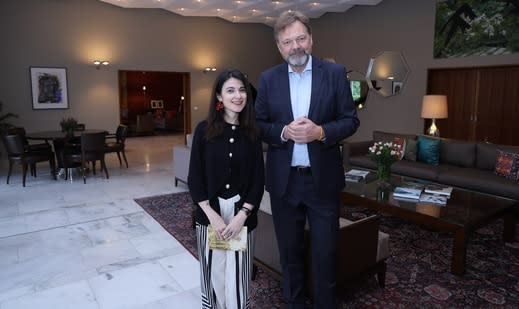
The German Embassy in New Delhi hosted an exclusive wine tasting event led by sommelier Manuela Lo Conte to promote German viticulture. Ambassador Dr. Philipp Ackermann highlighted the event as a cultural bridge and a strategic precursor to the potential India-EU Free Trade Agreement.
A Toast to Diplomacy: Germany’s Viticultural Showcase in New Delhi
In a strategic effort to diversify perceptions of German exports beyond the traditional association with beer, the German Embassy in New Delhi recently hosted an exclusive wine tasting event. Held at the Ambassador’s Residence, the evening served as both a cultural exchange and a sophisticated networking platform, bringing together key stakeholders from India’s hospitality and import sectors, including hoteliers and restaurateurs.
The Art of German Terroir
Led by expert sommelier Manuela Lo Conte, the tasting experience was designed to educate the Indian market on the nuanced complexities of German viticulture. The curated flight offered a journey through the country's diverse climate, beginning with a light-bodied Pinot Noir, transitioning into the world-renowned, iconic Riesling, and concluding with a robust Merlot. These selections were accompanied by detailed narratives concerning Germany’s centuries-old winemaking heritage, emphasizing how its specific northern latitude and varied topography create unique acidity and flavor profiles that distinguish German wines from their European counterparts.
Economic Implications and the EU Connection
Beyond the sensory experience, the event carried significant economic weight. Ambassador Dr. Philipp Ackermann utilized the platform to draw a clear parallel between the appreciation of premium European goods and the broader geopolitical goal of strengthening economic ties. Specifically, he linked the event to the ongoing negotiations for the India-European Union Free Trade Agreement (FTA). Such an agreement is viewed as a vital mechanism to reduce trade barriers, potentially making high-quality German wines more accessible and affordable to the burgeoning Indian middle class.
India’s Evolving Wine Landscape
Ambassador Ackermann’s focus on India’s growing wine community reflects a broader trend in urban Indian consumption patterns. As the Indian hospitality industry matures, there is an increasing demand for diverse, high-quality international beverages. By positioning German wines as a sophisticated alternative, the Embassy is attempting to capture a share of this expanding market while simultaneously promoting German cultural exports.
Future Trends and Strategic Outlook
Looking ahead, the success of such diplomatic initiatives suggests that trade relations are increasingly being conducted through 'soft power' channels like gastronomy and luxury goods. Should the India-EU FTA progress, the infrastructure for wine importation—including logistics, taxation, and distribution—will likely see significant reforms. This shift could transform India from a niche market for European wines into a significant global consumer, provided that the regulatory environment continues to evolve to accommodate international trade interests.
Conclusion
In summary, the German Embassy’s wine showcase was more than a social gathering; it was a calibrated effort to align cultural appreciation with economic diplomacy. By highlighting the craftsmanship behind German viticulture, the event laid the groundwork for future trade opportunities, positioning German wines as a key beneficiary of a potential, more integrated Indo-European economic partnership.
Verification Required?