Stocks waver on Wall Street while crude oil prices fall for the first time in a week
Source Entity
Yahoo Finance
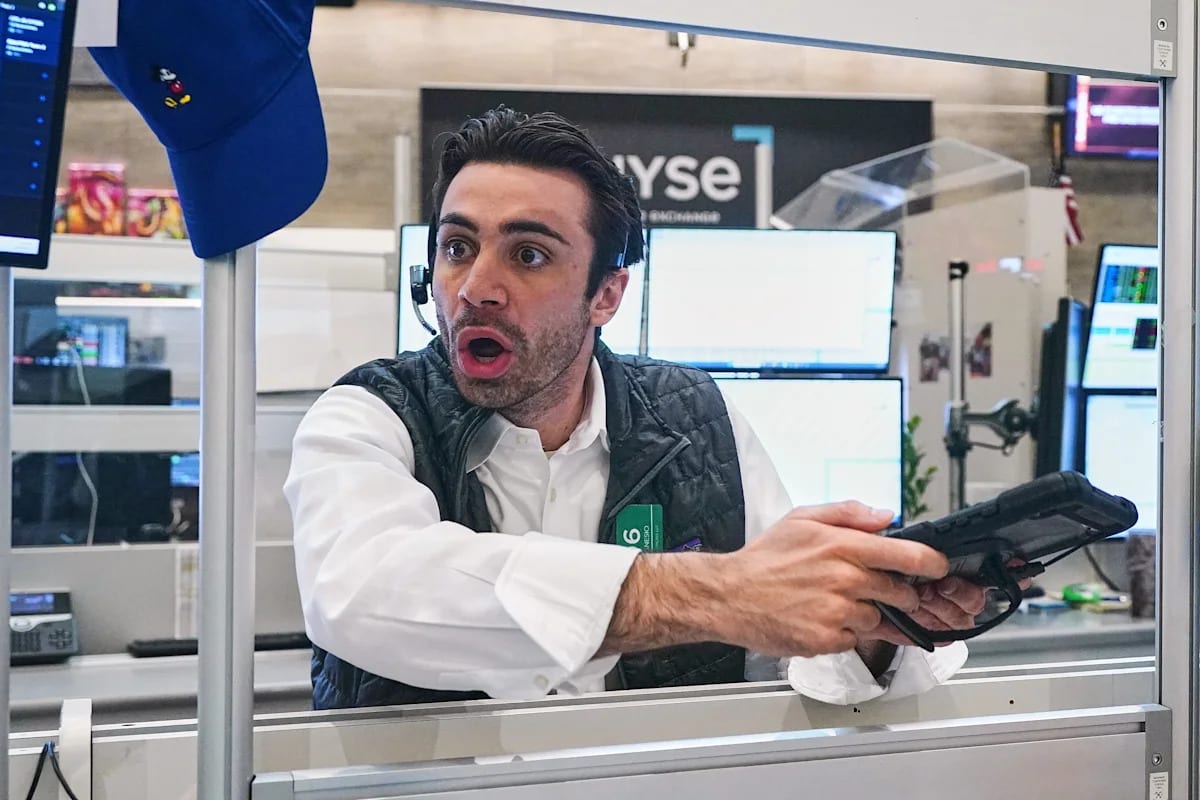
Wall Street experienced a mixed finish as crude oil prices declined for the first time in a week. Markets remain under pressure from escalating geopolitical tensions, new tariffs, and persistent inflation concerns.
Market Volatility and Geopolitical Instability
Wall Street concluded a turbulent week with mixed results on Friday, as major indices struggled to find direction amidst significant global headwinds. While the Dow Jones Industrial Average managed a modest gain of 0.5%, the Nasdaq faced a decline of 0.6%, highlighting a divergence in investor sentiment across different sectors. The S&P 500 remained largely stagnant, posting a negligible increase of less than 0.1%. This lack of clear momentum reflects a market grappling with profound uncertainty.
The Impact of Geopolitical Escalation
A primary driver of recent market anxiety is the sharp escalation in the U.S. war with Iran. Geopolitical conflicts historically introduce volatility into financial markets by threatening supply chains and global stability. The fact that crude oil prices fell for the first time in a week suggests that traders are attempting to recalibrate their expectations regarding energy supplies and the potential for prolonged conflict in the Middle East, a region critical to global oil production.
Economic Pressures: Tariffs and Inflation
Beyond the geopolitical arena, investors are contending with a dual threat from domestic economic policies and persistent macroeconomic challenges. The introduction of new tariffs by the Trump administration has added a layer of complexity to corporate planning and international trade relations. These trade barriers, combined with the ongoing struggle to contain stubborn inflation, have created a restrictive environment for businesses that rely on global supply chains and consumer spending power.
Analyzing the Weekly Trend
The broader market performance indicates a clear shift in investor confidence. Every major index lost ground over the course of the week, marking a concerning trend. The S&P 500 has now notched its second consecutive losing week, an event not seen since March. This pattern suggests that the initial optimism that defined the first quarter is being replaced by a more defensive posture as market participants weigh the cumulative impact of fiscal policy and geopolitical risk.
Tech Sector Vulnerability
The Nasdaq’s performance, specifically its 0.6% decline, underscores the sensitivity of the technology sector to current market pressures. Often viewed as growth-oriented, tech stocks are particularly susceptible to interest rate environments and economic slowdowns. When inflationary pressures remain high, the cost of capital increases, and the potential for reduced consumer discretionary spending weighs heavily on the valuations of big tech firms, which were identified as the primary drag on the index this session.
Conclusion and Outlook
As the market moves forward, the interplay between diplomatic developments regarding Iran, the implementation of trade tariffs, and the Federal Reserve’s response to inflation will remain the primary determinants of equity performance. Investors appear to be in a holding pattern, waiting for clarity on whether these economic stressors will subside or intensify. The current environment necessitates a cautious approach, as the volatility observed this week reflects a market that is increasingly sensitive to both policy shifts and international conflict.