Pakistan's fifth province? Gilgit-Baltistan assembly passes resolution amid PoK unrest
Source Entity
ABHISHEK MISHRA
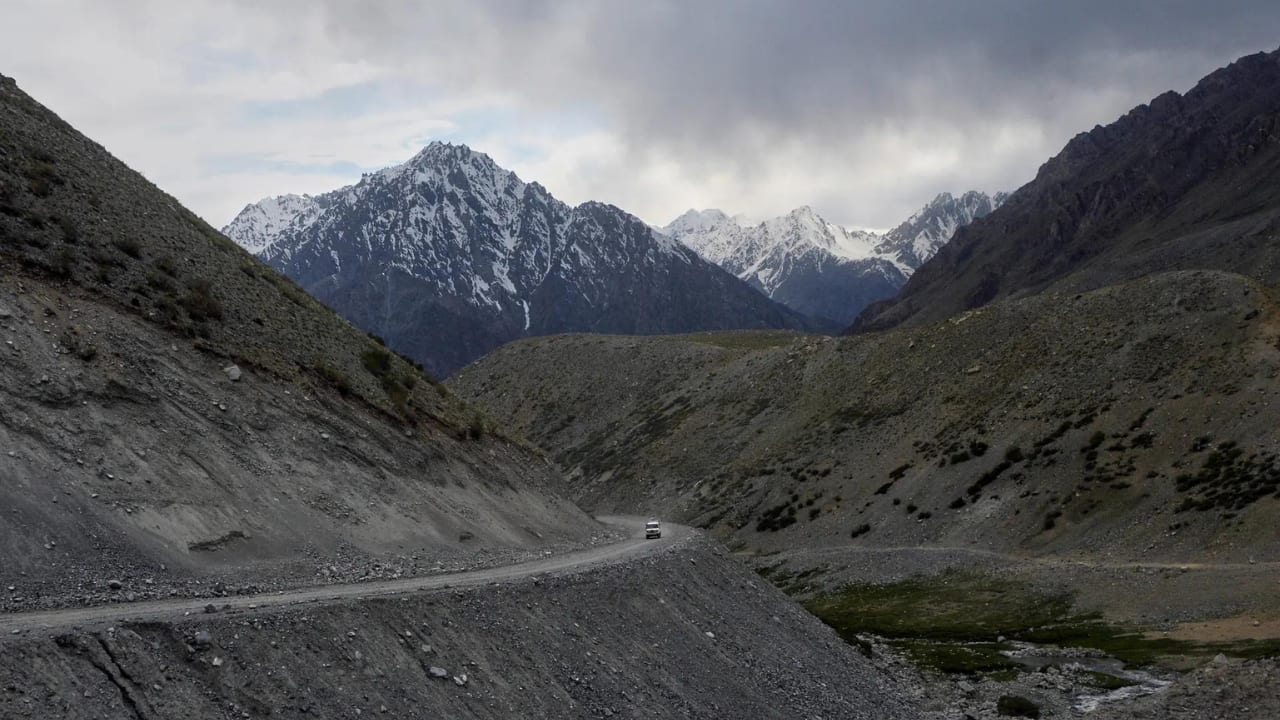
The Gilgit-Baltistan assembly has passed a resolution urging Islamabad to grant the region full provisional provincial status. This move, supported by both ruling and opposition parties, seeks to address long-standing demands for constitutional and political rights amid regional unrest.
The Push for Provincial Status in Gilgit-Baltistan
A Shift in Administrative Status
In a significant political development, the Gilgit-Baltistan assembly has officially passed a resolution calling upon the government in Islamabad to elevate the region to the status of a full, provisional province. This legislative action, spearheaded by lawmaker Jalal Ali Shah, represents a rare moment of consensus in the region, as it received backing from both the ruling party and the opposition. Currently, Gilgit-Baltistan operates under a semi-provincial administrative framework, a status that has long been a point of contention for residents who feel their political and constitutional rights are not adequately represented at the federal level.
Contextualizing Regional Unrest
This development does not occur in a vacuum; it is unfolding against a backdrop of ongoing unrest within Pakistan-occupied Kashmir (PoK). The administrative status of these territories has historically been complex, characterized by a lack of full constitutional integration into the Pakistani state. By pushing for provincial status, the assembly is attempting to formalize its relationship with Islamabad, potentially as a strategic move to stabilize the region and address the grievances of the local population who have been vocal about their desire for greater autonomy and representation.
The Quest for Constitutional Rights
The resolution explicitly demands that the people of this mountainous region be granted the same constitutional and political rights as the citizens of Pakistan's existing four provinces. For years, the lack of a formal provincial structure has limited the ability of Gilgit-Baltistan to participate fully in the national democratic process, affecting everything from resource allocation to judicial oversight. If granted, this change would redefine the administrative architecture of the region, effectively integrating it into the federal structure of the country.
Broader Political Implications
For Islamabad, this proposal presents a complex geopolitical challenge. While the move is intended to provide political stability and appease local demands for rights, it carries significant implications for Pakistan's domestic and international policy. The integration of Gilgit-Baltistan as a fifth province would be a transformative shift in Pakistan’s internal governance. The government must now weigh the internal pressure from the assembly against the broader regional sensitivities associated with the status of these territories.
Looking Ahead: Future Trends
The passage of this resolution marks a critical turning point in the administrative history of Gilgit-Baltistan. As the government in Islamabad reviews the assembly's request, the region remains a focal point for political debate regarding governance and civil rights. Future trends suggest that if the federal government moves forward with this request, it could set a precedent for how Pakistan manages its administrative territories, potentially leading to a more centralized, yet constitutionally standardized, national governance model.