UK government does not know what datacentres are being used for, FoI request shows
Source Entity
Pippa Neill Environment reporter
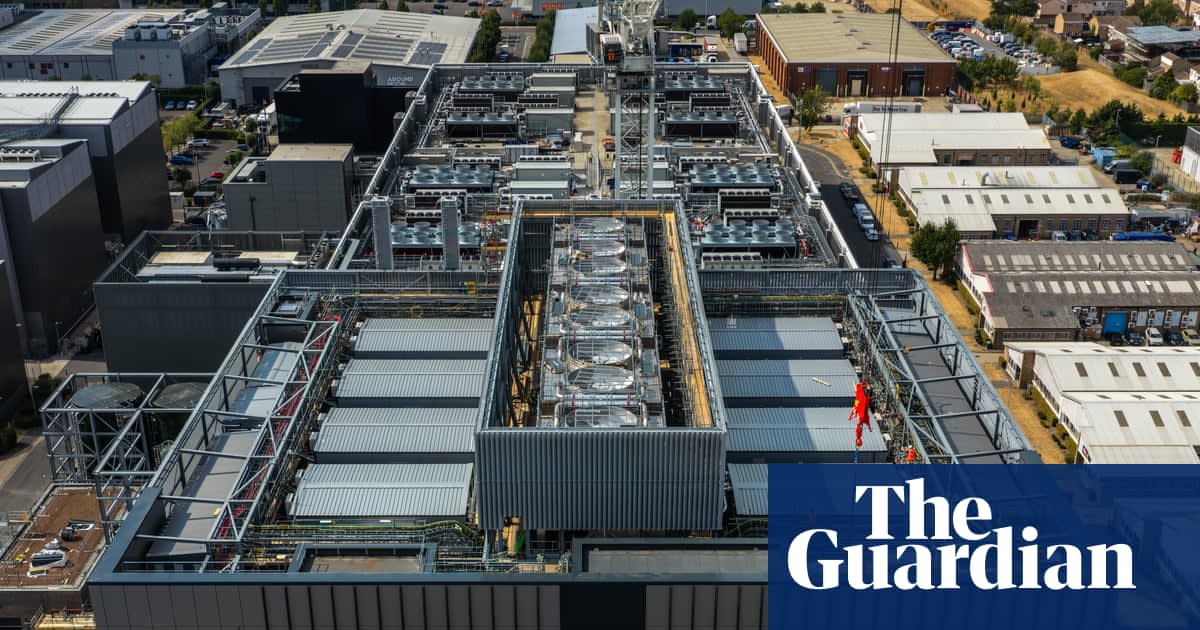
The rapid expansion of AI datacentres is triggering a global backlash due to their environmental impact and lack of regulatory transparency. Local communities and political groups are increasingly resisting these projects as governments struggle to justify their necessity.
The Growing Resistance to AI Infrastructure
The rapid proliferation of AI datacentres has triggered a wave of global public backlash, transforming these facilities into focal points of environmental and community resistance. As big tech firms lobby for the creation of massive new sites in the wake of the AI boom sparked by tools like ChatGPT, local populations are increasingly vocal about the negative externalities associated with these projects. From Brick Lane in London to various international sites, communities are organizing to oppose developments they view as unsightly, loud, and destructive to their local environments.
Environmental and Resource Strains
At the core of the opposition is the significant environmental footprint of these facilities. Datacentres are notoriously resource-intensive, requiring massive amounts of electricity and water to operate and cool their servers. Critics argue that these structures exacerbate the climate crisis, effectively trading local resource security for the computing power required by global tech giants. The perception is that the profits from these operations primarily flow back to US-based corporations, leaving host communities to deal with the long-term ecological consequences.
The Transparency Deficit
Adding to the controversy is a profound lack of government oversight. A recent Freedom of Information (FoI) request revealed that the UK government—specifically the Department for Science, Innovation and Technology—does not hold data on what these datacentres are actually being used for. This admission highlights a systemic failure to monitor the utility of these projects, even as they are granted access to critical resources like the National Grid. With 315 datacentres currently queueing for grid connection, the lack of justification for their energy consumption is becoming a major political liability.
Regulatory Bypass and Political Backlash
The political landscape is shifting as a result of this mounting tension. In the UK, ministers have proposed allowing qualifying datacentres to join the Nationally Significant Infrastructure Project scheme, which would effectively allow them to bypass local planning permission processes. This move has drawn sharp criticism from those who believe it disenfranchises local communities. Meanwhile, political entities like the Scottish National Party and the Green Party have begun calling for a moratorium on new developments, reflecting a broader shift in public sentiment toward questioning the necessity of unchecked expansion.
Future Trends and Implications
As the demand for AI computation continues to grow, the tension between technological advancement and local sustainability is likely to intensify. The current trend of "lobbying for enormous facilities" is being met with a counter-movement that demands accountability and transparency. Future developments will likely hinge on whether governments can reconcile their desire to participate in the global AI economy with the urgent need to protect local resources. Without a clear strategy that addresses the environmental impact and provides public justification for these projects, the resistance movement is poised to become a permanent feature of the AI infrastructure landscape.