Responsible or panicked? Meet the people around the world already preparing for crisis
Source Entity
BBC News
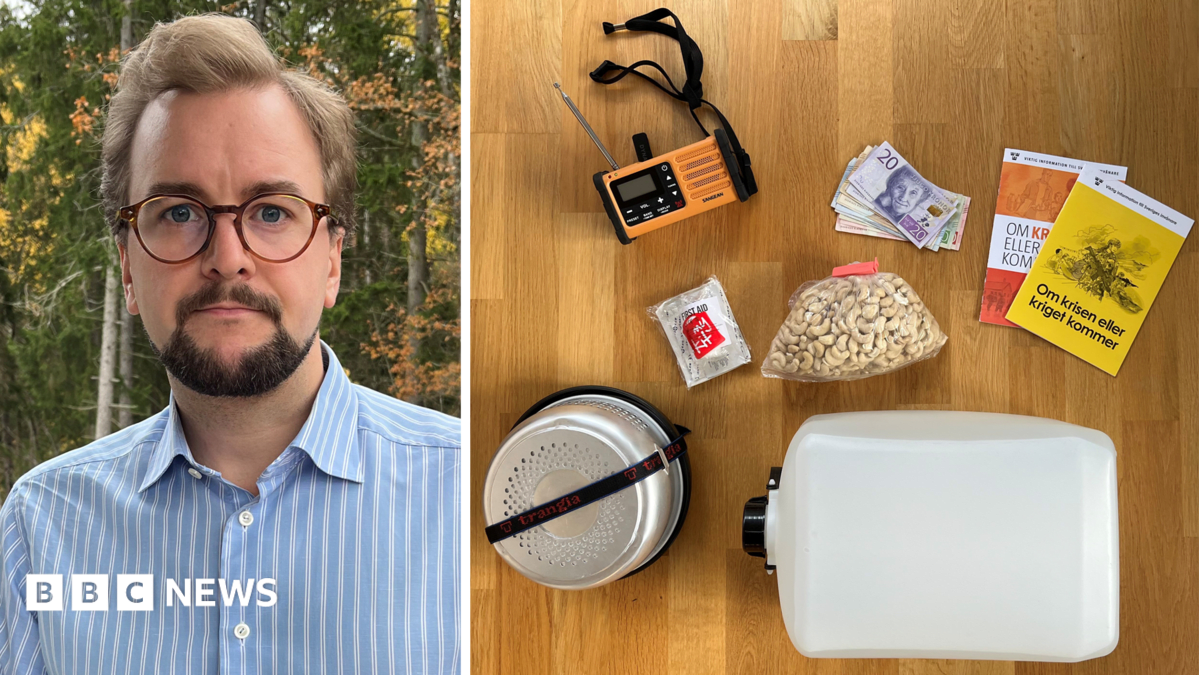
A growing global trend of individuals preparing for emergencies by stockpiling supplies has emerged, driven by parental responsibility and past climate-related outages. Families in countries like the US, Japan, and Sweden are investing thousands in long-term preparedness to mitigate potential systemic failures.
The Rise of Individual Emergency Preparedness
Across the globe, a burgeoning movement of proactive citizens is taking personal responsibility for disaster readiness, moving beyond traditional government-led emergency guidelines. From the United States to Japan, Sweden, and the Netherlands, households are curating extensive emergency stashes, ranging from basic filter straws to sophisticated sanitation solutions like disposable toilets. This trend reflects a shift in public perception regarding systemic reliability, where individuals no longer assume that centralized infrastructure will remain functional during a crisis.
The Catalyst of Parental Responsibility
The motivations behind these investments are deeply personal, often rooted in the desire to protect vulnerable family members. For individuals like Dan C., a 38-year-old physiotherapist in Maryland, the transition toward intensive preparedness was triggered by the responsibilities of parenthood. Investing approximately $6,000 into a basement-based stockpile, these parents view emergency supplies not as an act of panic, but as a fundamental duty. This shift underscores a broader cultural move toward 'prepping' as a normalized, rational response to unpredictable environmental and utility threats.
Learning from Infrastructure Failures
Many of these preparation efforts are direct responses to tangible past experiences. For Dan C., a severe cold snap in February that left his family without power for two days served as a wake-up call. The realization that his previous preparations were insufficient prompted a more rigorous approach to risk mitigation. By identifying 'gaps' in his survival strategy, he moved toward a more robust system that includes 150 gallons of water storage and advanced purification methods like chlorine dioxide tablets, which are designed to render natural water sources potable.
Strategic Resource Management
Modern emergency stockpiling has evolved into a sophisticated logistical operation. The use of 'rotating pantries'—a system where stored goods are consumed and replenished to ensure freshness—demonstrates a commitment to long-term sustainability rather than mere hoarding. By utilizing space-efficient storage solutions, such as soft plastic containers for water that can be deployed in a bathtub, families are finding ways to integrate crisis management into their daily lives without requiring massive industrial-scale facilities.
Future Trends and Global Implications
As climate change increases the frequency of extreme weather events and grid instability, this trend is likely to accelerate. The global nature of this movement—spanning from the highly developed infrastructure of Japan to the residential suburbs of the US—suggests that citizens are increasingly diversifying their survival strategies. This decentralized approach to emergency management may eventually force governments to rethink their disaster communication and support strategies, as they contend with a public that is better equipped, yet perhaps more skeptical, of the timeline for official relief efforts.