Why GM's memory chip guidance could help stabilize stocks like Micron and Sandisk
Source Entity
Yahoo Finance
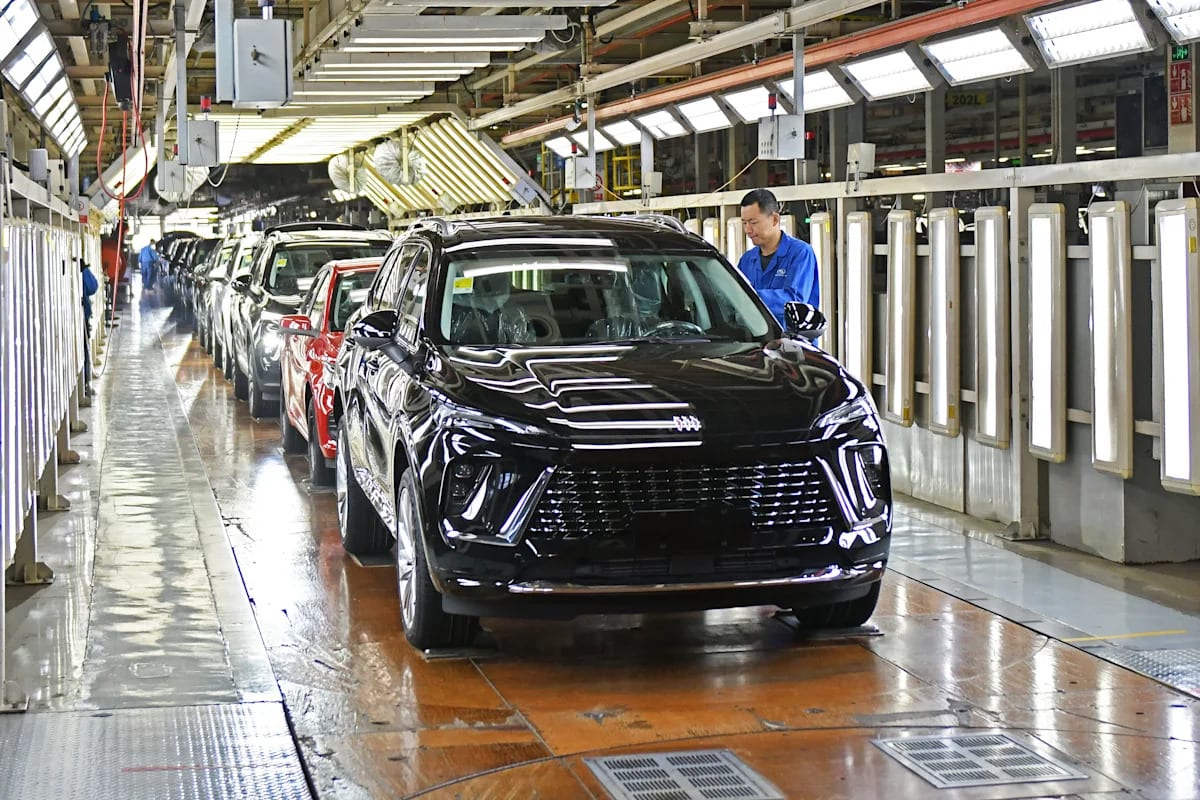
General Motors' latest earnings report confirms that the memory chip supply shortage persists, buoying market sentiment for semiconductor firms like Micron and SanDisk. Despite rising commodity costs, GM's upward revision of its profit forecast signals resilience in the broader manufacturing sector.
The Semiconductor Supply Chain Paradox
Recent market volatility has left investors questioning the longevity of the semiconductor bull run. However, the second-quarter earnings release from General Motors (GM) provides a critical vantage point for assessing the health of the memory chip sector. While market participants have been bracing for a potential slowdown in demand for players like Micron (MU) and SanDisk (SNDK), GM’s operational data suggests that the supply-side constraints remain a dominant force, keeping pricing power firmly in the hands of chip manufacturers.
Dissecting GM's Earnings Guidance
GM’s latest financial report is a testament to industrial resilience. By lifting its full-year profit forecast for the second time this year, the auto giant has signaled that demand for its vehicles remains robust enough to absorb significant macroeconomic pressures. Central to this narrative is the company’s explicit guidance regarding commodity inflation and the escalating costs of DRAM memory chips. The fact that GM is navigating a $1.5 billion to $2 billion inflationary headwind while maintaining profitability indicates that the memory chip shortage is not merely a temporary blip, but a persistent structural hurdle for global manufacturers.
The Relationship Between Automotive Demand and Memory Stocks
The correlation between GM’s supply chain challenges and the stock performance of semiconductor firms like Micron and SanDisk is profound. For chipmakers, the narrative of a 'shortage' is often viewed through the lens of pricing power. As long as major industrial consumers like GM are forced to pay higher costs for DRAM, it confirms that the market remains supply-constrained rather than demand-starved. This reality has provided a necessary floor for semiconductor stocks, which recently saw a rally as investors pivoted back toward AI and memory-related assets.
Broader Implications for the Tech Sector
Beyond the automotive industry, the persistence of these costs highlights a broader trend in the global supply chain: the transition from 'just-in-time' manufacturing to 'just-in-case' inventory management. As technology becomes increasingly integrated into standard automotive production—ranging from infotainment systems to autonomous driving features—the demand for high-performance memory chips will continue to outpace existing supply capacities. This suggests that the current pricing environment for firms like Micron and SanDisk may remain elevated for the foreseeable future.
Future Trends and Market Sentiment
Looking ahead, the market is likely to remain sensitive to any shifts in GM’s inflationary guidance. Should the company indicate that these costs are beginning to subside, it could signal an easing of the semiconductor shortage, which might paradoxically lead to a cooling of memory chip prices. However, for now, the data indicates a sustained period of high demand. Investors should watch for continued alignment between industrial output and semiconductor performance, as the synergy between these sectors remains a primary engine for current market momentum.
Multiple Citing Sources