Gold is now the top U.S. export
Source Entity
Hacker News
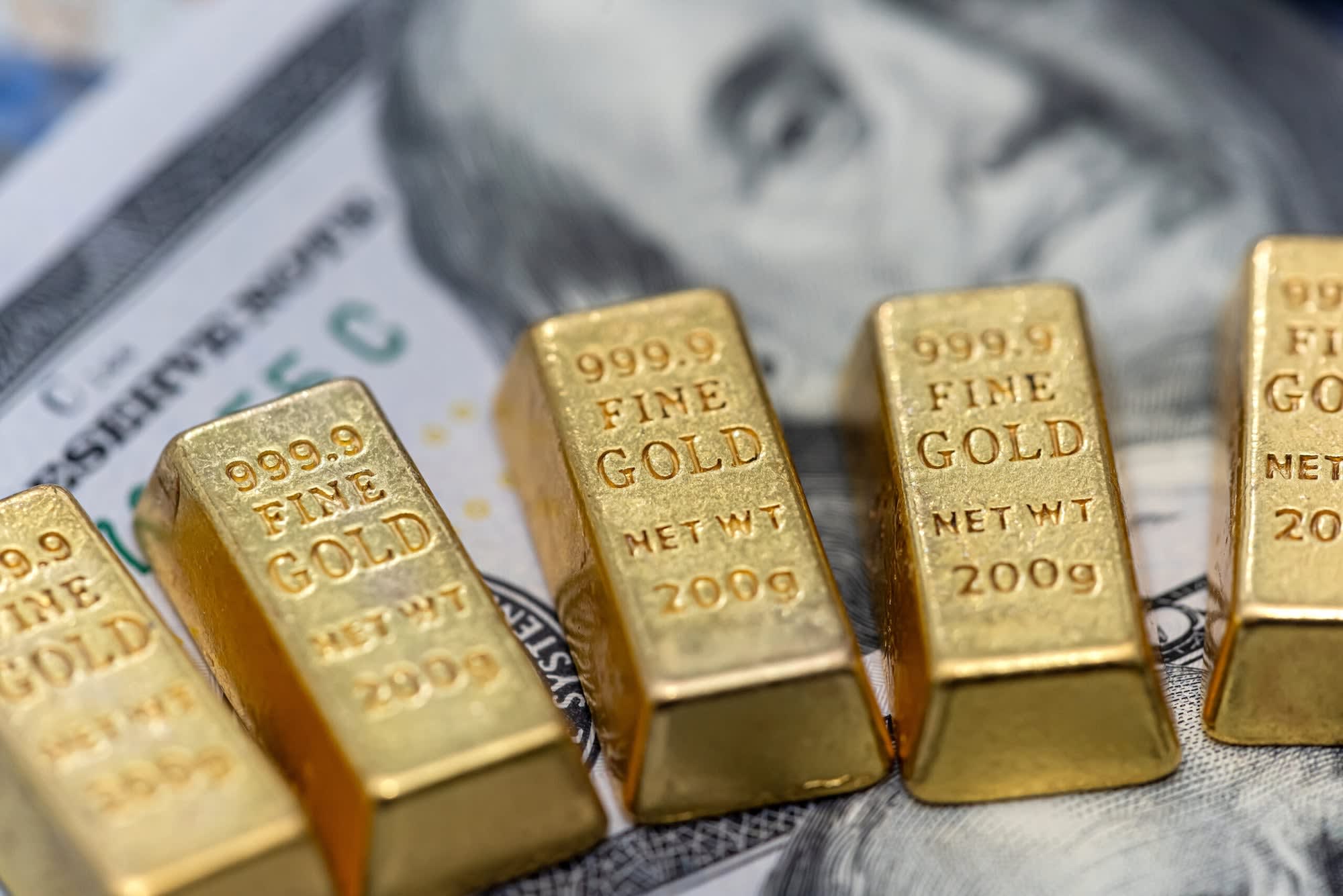
Gold has emerged as the United States' primary export commodity, consistently outperforming traditional sectors like oil and aerospace. This historic shift is driven by record-breaking export volumes and high market prices, with significant flows directed toward Switzerland, Hong Kong, and the United Kingdom.
The Unprecedented Rise of Gold as a U.S. Export
For decades, the United States' export landscape was dominated by high-value industrial goods, such as aerospace components, pharmaceutical products, and petroleum. However, a significant shift occurred starting in October 2025, when nonmonetary gold exports surged to the top position, displacing these traditional pillars of the American economy. This transition represents a fundamental change in trade dynamics, reflecting both volatile global market conditions and an intensified international appetite for precious metals.
Beyond Price Inflation: The Volume Factor
It would be a mistake to attribute this record solely to the appreciation of gold prices. While the commodity has reached historic price highs, the sheer physical quantity of gold moving out of the U.S. is equally critical. Data suggests that February 2026 saw an all-time record in the tonnage of gold exported. This indicates that the trend is supported by robust supply chain activity rather than simple price-driven valuation, signaling a sustained shift in how the U.S. interacts with global gold markets.
Global Distribution and Strategic Destinations
The destination of these exports reveals much about the current structure of the global gold trade. The majority of American gold is flowing into Switzerland, a global hub for gold refining. This suggests that the U.S. is acting as a primary supplier for the processing sector, which ultimately feeds jewelry, investment, and industrial demand worldwide. Meanwhile, the significant volume directed toward Hong Kong underscores the critical role that Asian markets—specifically China—play in absorbing global gold supplies, further cementing the metal's status as a core asset in Eastern investment portfolios.
The Role of Financial Hubs
The United Kingdom, specifically London, remains the third-largest destination for U.S. gold exports. As a global center for the over-the-counter gold market, London’s role is pivotal in the clearing and settlement of precious metal trades. The consistent flow of U.S. gold into these three specific regions—Switzerland, Hong Kong, and the UK—demonstrates a highly concentrated and sophisticated global supply chain that is currently prioritizing the movement of bullion above all other trade categories.
Future Trends and Economic Implications
Looking ahead, this trend raises questions about the long-term sustainability of the U.S. export profile. If gold continues to dominate, it may signal an environment of heightened global economic uncertainty, where investors prioritize the safe-haven status of bullion over consumer goods or industrial machinery. Analysts monitoring the Federal Reserve Economic Data (FRED) will likely continue to scrutinize the IEAXGG series to determine if this gold-heavy export profile is a structural change or a temporary reaction to global market instability.
Conclusion
The rise of gold to the top of the U.S. export list is a historic anomaly that highlights the current global focus on tangible, high-value assets. By examining the massive tonnage exported since late 2025, it becomes clear that this is a market-driven phenomenon of significant scale. As these precious metals continue to flow toward key refining and financial hubs, the U.S. economy finds itself in an unusual position as the world's leading supplier of gold, a development that will undoubtedly influence trade policy and economic forecasting for the foreseeable future.